
ماكينة حلاقه الاماكن الحساسة
وفر 14%! اشترِ ماكينة حلاقه الاماكن الحساسة بسعر 278.4 د.ل فقط في ليبيا. متوفر ح
🛒 تسوق الآن Libya Press
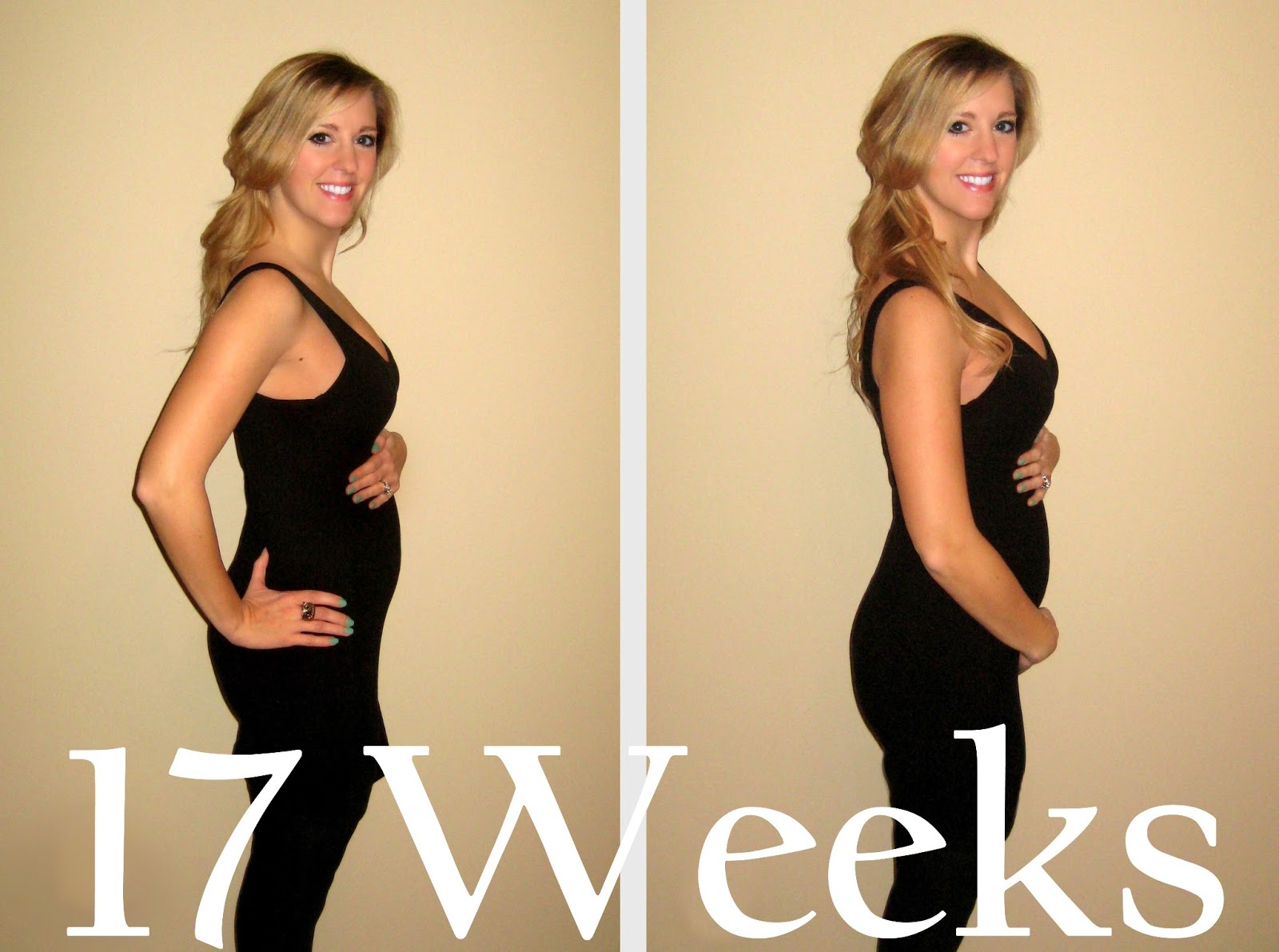
By week 17 of pregnancy, you've crossed into the second trimester — often called the "golden period" for good reason. For many expectant mothers, this stage brings renewed energy, reduced nausea, and exciting developmental milestones. According to leading obstetric resources, your baby now measures approximately 13 centimeters (5 inches) from crown to rump and weighs around 140 grams (5 ounces), roughly the size of an onion or a pomegranate.
This week marks a turning point where pregnancy becomes more visible and more real. Understanding what's happening inside your body helps you embrace this transformative journey with confidence and calm.
Your baby is undergoing remarkable changes this week. The skeleton, previously soft cartilage, is now beginning to harden into bone through a process called ossification. The umbilical cord grows stronger and thicker, delivering essential nutrients and oxygen.
Perhaps the most exciting development: your baby's fat stores are forming. This brown adipose tissue will be crucial for temperature regulation after birth. Meanwhile, the tiny heart now pumps around 25 liters of blood per day — a figure that will continue to increase as your pregnancy progresses.
At 17 weeks, your uterus continues its upward expansion, now sitting about 3 to 5 centimeters below your belly button. This shift often brings visible belly growth and a more defined "pregnancy bump." You may also notice changes in your skin — increased blood circulation can give your complexion what many call a "pregnancy glow."
Common symptoms this week include round ligament pain, a sharp or dull ache on either side of your lower abdomen as the ligaments stretch to support your growing uterus. Nasal congestion is also frequent due to increased blood flow to mucous membranes. Many women report increased vaginal discharge (leukorrhea), which is normal as long as it's clear or milky and odorless.
This stage of pregnancy offers an ideal window to establish healthy routines that support both mother and baby. Prenatal exercise, approved by your healthcare provider, can help maintain strength and reduce pregnancy discomfort. Walking, swimming, and prenatal yoga are excellent low-impact options.
Nutrition remains paramount. Focus on calcium-rich foods for your baby's developing bones and teeth — dairy products, fortified plant milks, and leafy greens are excellent sources. Iron intake should also increase to support your expanding blood volume. Lean meats, beans, and fortified cereals can help meet these needs.
Sleep position becomes more important now. Sleeping on your left side improves circulation to your heart and baby. Placing a pillow between your knees can relieve lower back pressure and improve sleep quality.
The emotional landscape of pregnancy at 17 weeks is complex and deeply personal. Many women feel a surge of well-being as early pregnancy symptoms subside, but anxiety about upcoming changes remains common. This duality is normal and deserves acknowledgment.
Bonding with your baby can be enhanced through talking, singing, or playing music — your baby's hearing is developing rapidly. Journaling your thoughts, dreams, and hopes for your child creates a lasting keepsake and helps process the emotional weight of becoming a parent.
If you're in Libya, connecting with local mother support groups or online communities of Libyan mothers can provide culturally relevant advice and emotional solidarity. You are not alone in this journey.
While week 17 is generally smooth, certain symptoms warrant medical attention. Severe abdominal pain, heavy bleeding, fever, or painful urination should be evaluated promptly. Every pregnancy is unique — trust your instincts and reach out when something feels wrong.
Your next prenatal visit will likely include an ultrasound to check fetal growth and anatomy. Keep a list of questions between visits so you never forget what you wanted to ask.
— Libya Press / Health Desk