
كاشف الكاميرات الخفية
وفر 45%! اشترِ كاشف الكاميرات الخفية بسعر 259.2 د.ل فقط في ليبيا. متوفر حالياً،
🛒 تسوق الآن Libya Press
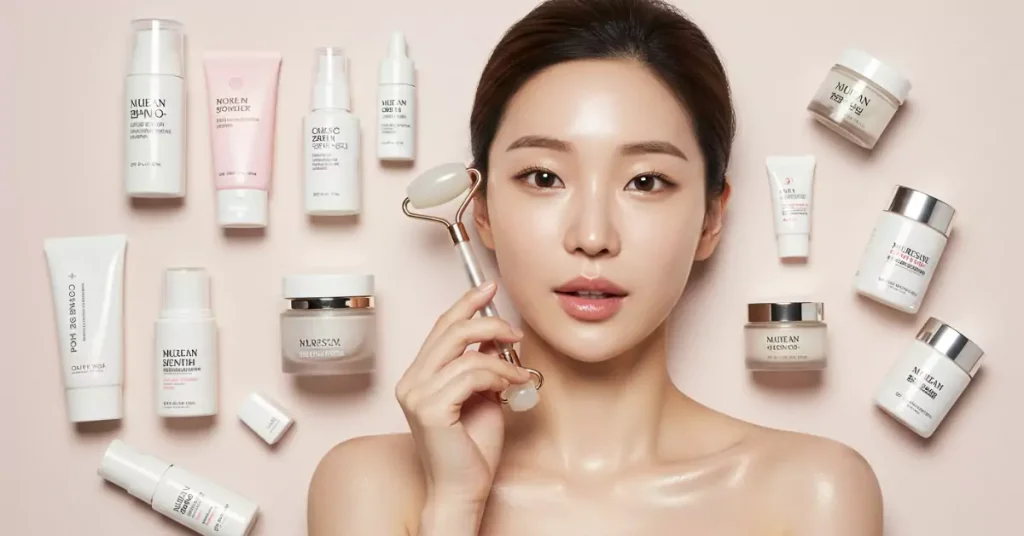
Korean beauty is undergoing a major transformation in 2026, shifting its focus from the popular "glass skin" look to advanced regenerative techniques. According to a report by Vogue Korea published in January 2026, the K-beauty industry is now prioritizing skin barrier health and long-term regeneration over temporary perfection. This shift represents a fundamental change in how millions approach their daily skin care routines.
Data from the Korea Customs Service shows that K-beauty exports reached a record high in the first quarter of 2026, with a 23% increase compared to the same period last year. The global market is watching closely as Korean brands introduce groundbreaking technologies that promise to redefine skin care standards worldwide.
The original glass skin trend, which originated in Korea around 2017, emphasized achieving a flawless, dewy, almost transparent complexion through layers of hydration. In 2026, this concept has evolved into what experts call "Glass Skin 2.0." According to Hia Magazine's latest report published on June 23, 2026, the new approach combines deep hydration with bio-regenerative actives that repair skin at the cellular level.
Dr. Park Ji-hyun, a leading dermatologist at Seoul National University Hospital, explained this evolution in a recent interview: "The first generation of glass skin was about surface-level perfection. Today, we understand that true radiance comes from healthy skin barriers and cellular regeneration. The technology has caught up with this understanding."
Anna Sawai, a prominent beauty editor and trend analyst based in Tokyo, shared her perspective on the 2026 K-beauty landscape. She noted that Korean innovation is now focused on strengthening the foundation of the skin so that smoothness, lift, and bounce show up together. This holistic approach is what sets K-beauty apart from Western skin care philosophies.
Sawai also highlighted that sensorial product textures have become a major focus. Korean brands are developing formulations that feel like self-care rituals rather than clinical treatments. This emotional dimension of skin care is resonating strongly with consumers across Asia, the Middle East, and beyond.
Libyan women, like many in North Africa, face unique skin care challenges due to the hot, dry climate and high sun exposure. The K-beauty barrier-first philosophy is particularly relevant for women in the region, as harsh environmental conditions can weaken the skin's natural protective layer over time.
According to the International Dermatology Association, women in arid climates experience up to 30% faster skin barrier degradation compared to those in humid environments. The Korean approach of prioritizing barrier repair and regeneration offers practical solutions that can be easily incorporated into daily routines available in Libyan markets.
Several Korean beauty brands have expanded their distribution to North Africa in 2026, making these innovative products more accessible to Libyan consumers. Local beauty retailers in Tripoli and Benghazi have reported a 35% increase in demand for Korean skin care products over the past six months.
The K-beauty industry's shift toward regenerative techniques signals a broader global trend in skin care. As consumers become more educated about ingredients and their long-term effects, the demand for science-backed, results-driven products continues to grow. The days of surface-only beauty solutions are numbered.
For women everywhere, including in Libya, this evolution means access to better, more effective skin care options that deliver lasting results. The combination of bio-regenerative actives, AI personalization, and barrier-first thinking represents the most significant advancement in skin care in over a decade.
As 2026 progresses, expect to see even more innovative products emerging from Korea that blur the line between professional dermatology and at-home skin care. The future of beauty is not about covering up imperfections — it is about building skin that is genuinely healthy from within.
— LibyaPress / Women's Desk