
عبوة من 12 لاصقة لعلاج عرق النسا
وفر 18%! اشترِ عبوة من 12 لاصقة لعلاج عرق النسا بسعر 189 د.ل فقط في ليبيا. متوفر
🛒 تسوق الآن Libya Press
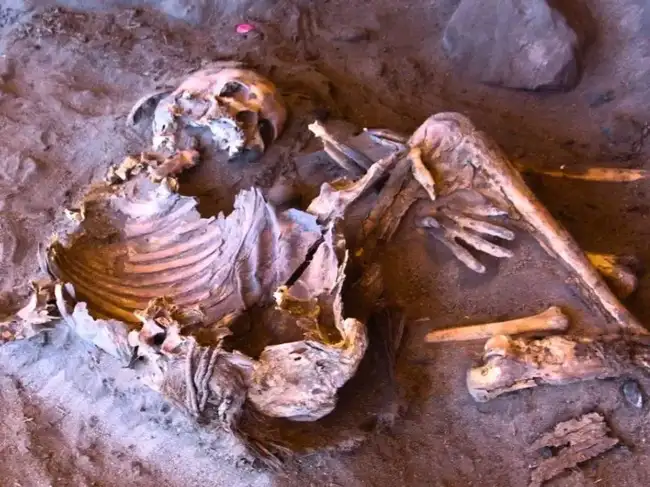
DNA extracted from two 7,000-year-old naturally preserved mummies found in Libya's Takarkori rock shelter has revealed a previously unidentified ancient human lineage. The groundbreaking study, published in a recent scientific analysis, shows that the population these individuals belonged to split from other African groups approximately 50,000 years ago and remained remarkably isolated for thousands of years. The discovery reshapes our understanding of early human migration across the Sahara.
The mummies were discovered at the Takarkori rock shelter, located in southwestern Libya deep in the Sahara Desert. This region was once a lush, green landscape — a stark contrast to the arid environment seen today. Rock art at Takarkori depicts a greener Sahara that supported cattle herding, a radically different picture from the current climate.
The two naturally mummified individuals, who lived during the Holocene "Green Sahara" period, were sequenced in a full genome study. Their DNA was exceptionally preserved, providing scientists with rare material for genetic analysis.
"This discovery fundamentally changes our picture of early human genetic diversity in North Africa," said researchers involved in the study. "We now know that populations in the ancient Sahara were far more isolated and genetically distinct than we imagined."
The findings suggest that ancient human populations in Africa were more diverse and fragmented than previously thought. While modern genetic studies have mapped migration patterns across continents, the Takarkori mummies reveal that entire populations may have existed and vanished without leaving descendants in today's gene pool.
This discovery has deep significance for Libya and the broader North African region. The Takarkori rock shelter sits on Libyan soil, making this a chapter of Libyan prehistory that connects the country to the very roots of human civilization. The Sahara was once a thriving corridor of life, not a barrier — and Libya was at its heart.
For Libyans today, this research is a point of national heritage pride. It places Libya at the center of one of the most significant paleoanthropological discoveries of the decade. Studies like these also highlight the importance of protecting Libya's archaeological sites, many of which remain undocumented despite their global scientific value.
The success of DNA extraction from the Takarkori mummies opens the door for similar studies across North Africa. As genome sequencing technology becomes more sensitive and affordable, scientists expect to uncover ancient genetic data from more archaeological sites throughout the Sahara, potentially revealing additional lost human lineages from Africa's deep past.
This discovery reminds us that the Sahara still holds secrets, and Libya's ancient landscapes may yet reveal more chapters of the human story that shaped civilization across Africa and beyond.
— LibyaPress / Entertainment Desk