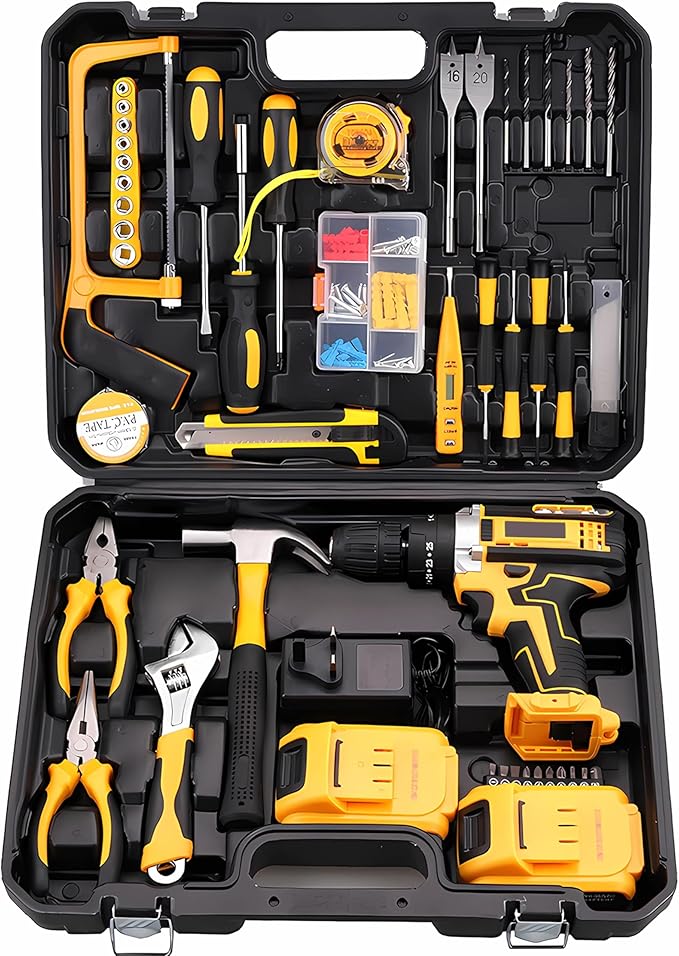
طقم أدوات كهربائية بقوة 48 فولت
وفر 23%! اشترِ طقم أدوات كهربائية بقوة 48 فولت بسعر 549 د.ل فقط في ليبيا. متوفر
🛒 تسوق الآن Libya Press
Summer 2026 is breaking records across North Africa, with Libya expected to see temperatures exceeding 45°C in coastal cities. Dermatologists report a 30% increase in heat-related skin conditions — from sunburn and dehydration to accelerated aging and hyperpigmentation. But this year's skincare trends are not about luxury routines. They are about science-backed, practical solutions that actually work under extreme heat. Here are seven trends dermatologists say will define summer skincare this year.
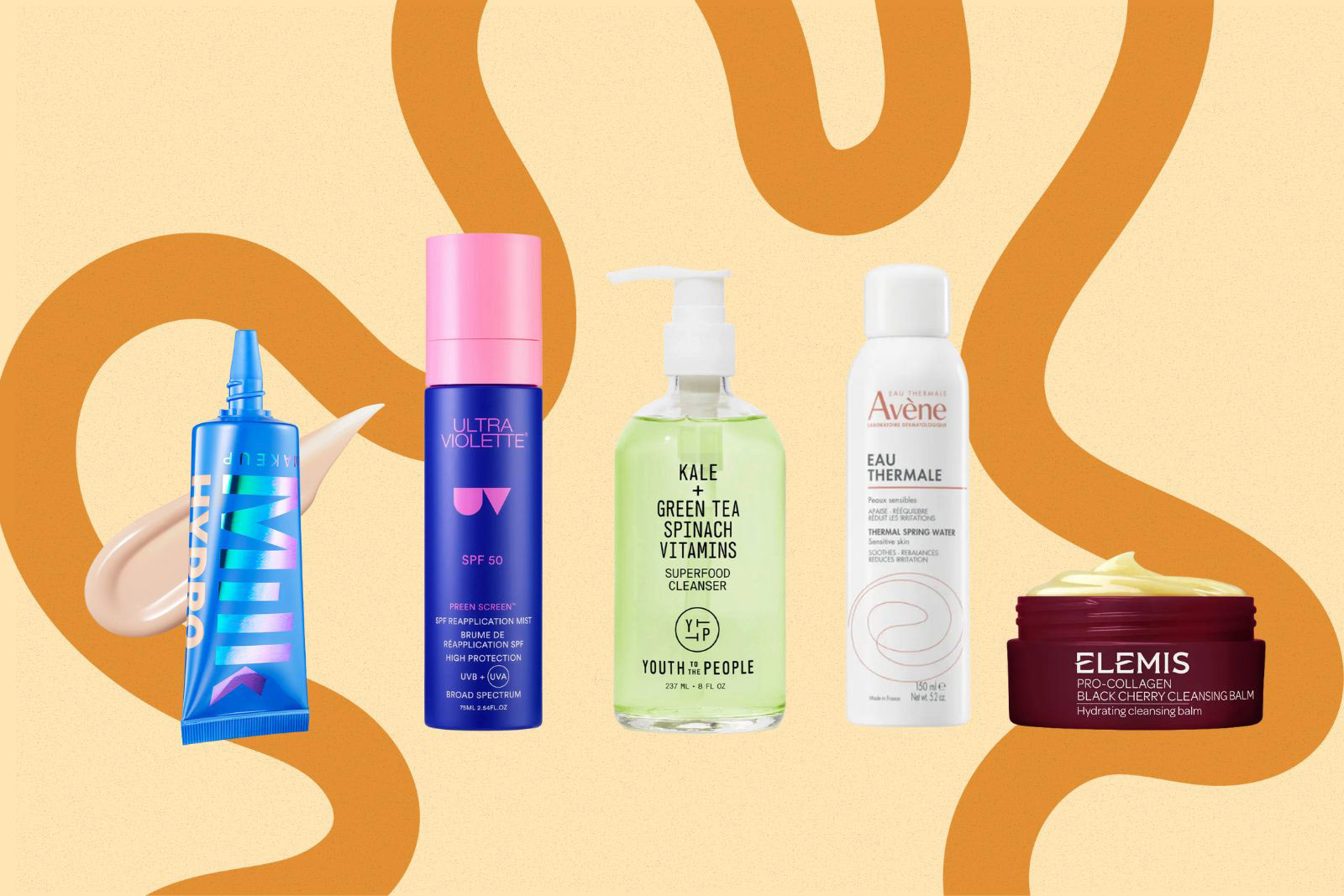
The biggest innovation in 2026 is the hybrid sunscreen — formulas combining broad-spectrum SPF 50+ with skincare actives like hyaluronic acid, niacinamide, and vitamin C. These multi-tasking products hydrate, protect, and brighten in a single step. For Libyan women facing UV index levels of 11+ during July and August, dermatologists recommend reapplying every 90 minutes outdoors. Choose non-comedogenic, lightweight formulas that do not clog pores in humid conditions.
Your skin barrier locks moisture in and keeps pollutants out. Summer heat, chlorine, and constant air conditioning strip this shield, causing redness, sensitivity, and breakouts. In 2026, barrier repair is non-negotiable. Look for ceramides, centella asiatica, and panthenol. Dr. Amira Hassan, a Cairo-based dermatologist, explains: "In North African climates, barrier damage is the root cause of most summer skin problems. Repair it first, then everything else works better."
Your skin hosts trillions of microorganisms that form a living ecosystem. When balanced, your skin looks calm and radiant. When disrupted by harsh cleansers or environmental stress, inflammation follows. The 2026 trend is prebiotic and probiotic skincare — products feeding beneficial microbes. Ingredients like lactobacillus ferment and inulin are appearing in serums, moisturizers, and cleansers. For hot climates, these formulas maintain skin balance without stripping natural oils.
This summer's top beauty trend is "poolside skin" — a natural, just-out-of-the-water glow. Unlike heavy highlight trends, poolside skin uses lightweight hydrating serums, dry-finish facial oils, and gel-based highlighters. In Libya's dry heat, gel-based products absorb quickly, do not melt off the face, and provide lasting hydration without clogging pores.
Peptides — amino acid chains that signal collagen production — are having a major moment. New formulations like hexapeptide-17 specifically target heat-induced aging. Research published in the Journal of Cosmetic Dermatology in March 2026 found peptide-rich serums reduced fine lines by 23% over 8 weeks in participants living in hot climates. Apply at night when skin has cooled for deeper penetration.
Sunscreen blocks UV rays but does not neutralize free radicals. The 2026 approach is layering: vitamin C serum in the morning under sunscreen, vitamin E moisturizer during the day, and resveratrol at night. For Libyan women, this is critical — intense sun, dust, and pollution create oxidative stress that no single product can counter alone.
Ingredient quality matters more than brand names. Dermatologist-approved affordable swaps include: CeraVe Moisturizing Cream with 3 ceramides (under $15), The Ordinary Niacinamide 10% + Zinc 1% (under $7), Neutrogena Ultra Sheer SPF 50 (under $12), Korean centella asiatica serums ($10-18), and pure aloe vera gel for after-sun soothing (under $5).
Libya's climate presents unique challenges most Western beauty content ignores. The combination of extreme heat, dry desert air, fine sand particles, and intense UV radiation demands a specific strategy. Libyan dermatologists recommend simplifying summer routines: gentle cleanser, hydrating serum, SPF 50+, and light moisturizer. Skip heavy foundations. Opt for tinted sunscreens. Never skip evening repair — that is when your skin heals and regenerates.
This summer does not have to mean damaged skin. The 2026 trends finally align with what dermatologists have said for years: protect your barrier, wear SPF religiously, layer antioxidants, and keep it simple. Whether you are in Tripoli, Benghazi, or Sebha, these seven trends give you a science-backed roadmap to skin that stays healthy and glowing all summer long.
— LibyaPress / Women's Desk