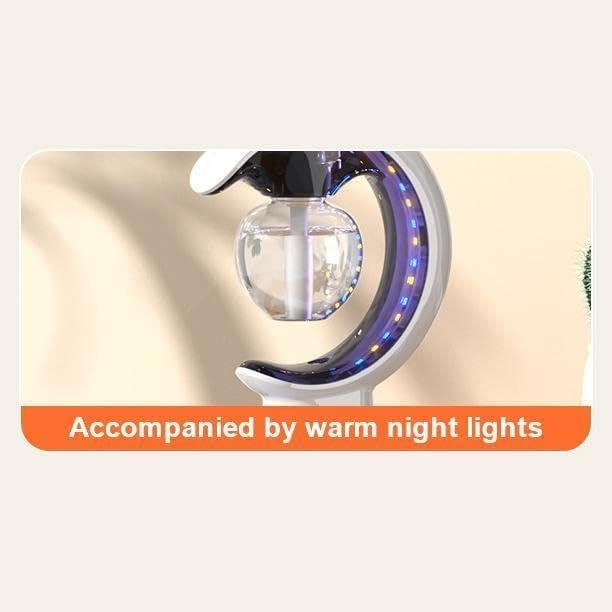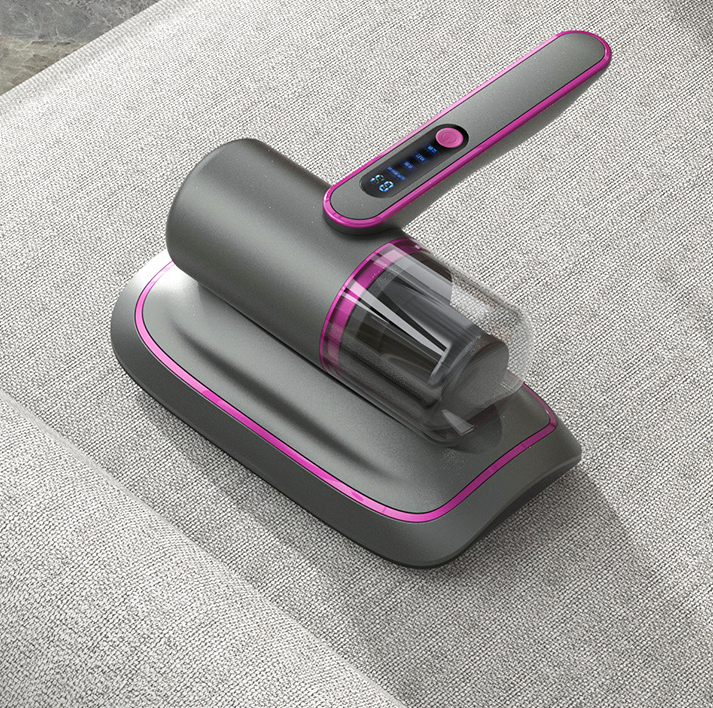
مكنسة شفط الغبار الاحترافية
وفر 14%! اشترِ مكنسة شفط الغبار الاحترافية بسعر 420.48 د.ل فقط في ليبيا. متوفر ح
🛒 تسوق الآن Libya Press
Acne vulgaris affects approximately 85% of adolescents and young adults worldwide, with many continuing to experience breakouts into their 30s and 40s. Beyond active pimples, post-inflammatory hyperpigmentation — the dark spots left after a lesion heals — can persist for months. In Libya's hot climate, where heat and sun exposure accelerate both acne and pigmentation, a structured weekly routine is essential. This guide presents a dermatologist-informed 7-day protocol using evidence-based ingredients to treat breakouts and dark marks.
When a pore becomes inflamed, the body produces melanin as part of healing — this creates dark spots. In darker skin types (Fitzpatrick IV–VI, common in North Africa), these marks are more intense and longer-lasting. The dual strategy must reduce active inflammation while accelerating cell turnover to fade existing marks.
A 2023 meta-analysis found that combining 2% salicylic acid with 4% niacinamide reduced acne lesions by 48% and pigmentation by 37% over six weeks. Consistent routines outperform sporadic treatment.
Start with a gentle low-pH cleanser containing 2% salicylic acid. This beta-hydroxy acid penetrates oil-filled pores, dissolving dead skin cells and sebum. Use once in the evening for 60 seconds before rinsing. In the morning, use a hydrating cleanser to preserve the skin barrier.
Follow with 4–5% niacinamide serum. Niacinamide has strong anti-inflammatory properties. A 2020 study showed 4% niacinamide reduced acne lesions by 40% after eight weeks while improving barrier function.
Introduce glycolic acid 5–7% toner or lactic acid. AHAs work on the skin surface, dissolving bonds between dead cells and accelerating shedding of pigmented cells. Use every other evening, alternating with salicylic acid.
In the morning, use 10–15% vitamin C serum. Vitamin C inhibits melanin production. A 2022 review confirmed topical vitamin C reduces hyperpigmentation by 30–50% over 12 weeks when combined with daily sunscreen.
By day five, the skin barrier may feel drier. Switch to intensive hydration. Use a ceramide-rich moisturizer — these lipids comprise 50% of the epidermal barrier. A 2021 study confirmed ceramide moisturizers restore barrier integrity within five days.
Sunscreen is non-negotiable. In Libya, UV index frequently exceeds 8. Use broad-spectrum SPF 50+ with zinc oxide or titanium dioxide. Mineral sunscreens are best for acne-prone skin as they do not clog pores. Reapply every two hours outdoors.
A 2020 review found high-glycemic diets increase acne risk by 44%. Choose whole grains, lean proteins, and omega-3-rich foods. Sleep is equally critical — aim for 7–8 hours nightly to reduce stress hormones that trigger breakouts.
If results are not visible after four weeks, or if acne is severe, consult a dermatologist. Treatments include topical retinoids, oral antibiotics, or chemical peels for faster results.
This 7-day routine is a starting point. Consistent care over weeks and months leads to lasting clarity.
— Libya Press / Health Desk