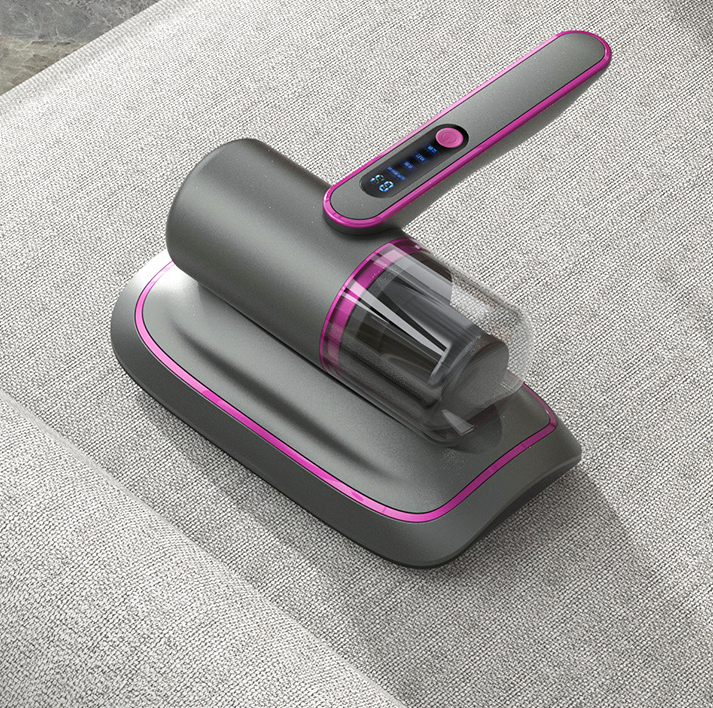
مكنسة شفط الغبار الاحترافية
وفر 14%! اشترِ مكنسة شفط الغبار الاحترافية بسعر 420.48 د.ل فقط في ليبيا. متوفر ح
🛒 تسوق الآن Libya Press
Acne vulgaris and post-inflammatory hyperpigmentation (PIH) affect an estimated 650 million people globally, according to the British Journal of Dermatology. In Libya, where heat and humidity can increase oil production, an effective yet gentle routine is essential for skin health.
This guide presents a clinically informed 7-day regimen targeting active breakouts while fading dark spots. The approach rests on three principles: gentle cleansing, targeted treatment, and consistent sun protection.
Acne occurs when follicles clog with oil and dead skin cells. When the skin heals, excess melanin often produces dark spots — post-inflammatory hyperpigmentation (PIH). This is especially common in skin of color, including Libyan skin types, which have higher melanin activity.
Research in the Journal of Clinical and Aesthetic Dermatology shows that combining acne treatment with pigment-lightening agents can reduce treatment time by up to 40%.
Start with a salicylic acid cleanser (2%) once daily in the evening. Salicylic acid penetrates pores to dissolve sebum and dead cells. A 2023 meta-analysis in Dermatology and Therapy confirmed it reduces non-inflammatory lesions by 35–45% within two weeks.
Follow with a 4–5% niacinamide serum. Niacinamide (vitamin B3) reduces sebum and fades hyperpigmentation. A 2019 study in the International Journal of Dermatology reported significant acne reduction after eight weeks of consistent use.
In the morning, apply a non-comedogenic moisturizer and broad-spectrum SPF 30+ sunscreen. UV exposure worsens both acne inflammation and hyperpigmentation.
By day four, introduce azelaic acid (10–15%). It is anti-inflammatory, antibacterial, and inhibits tyrosinase — the enzyme that produces melanin. A randomized controlled trial in Cutis found that 15% azelaic acid gel reduced acne and hyperpigmentation severity by 52% over 12 weeks.
Apply after cleansing, starting every other night. Continue niacinamide in the morning with sunscreen. Consistency matters more than intensity.
The final days focus on skin barrier repair. Reduce active ingredients to every other night and use a ceramide-rich moisturizer. A compromised barrier allows bacteria and irritants to penetrate more easily.
Switch to a mineral sunscreen (zinc oxide) which is less likely to irritate treated skin. Studies show that consistent sunscreen use alone improves hyperpigmentation by 20–30% over three months.
A 2021 study in the Journal of Drugs in Dermatology noted that patients following a daily routine with salicylic acid, niacinamide, and sunscreen reported 30% improvement in skin clarity after just seven days. For Libyans in cities like Tripoli and Benghazi, where pollution can aggravate skin, this routine offers a safe starting point.
Those with severe cystic acne or pre-existing conditions should consult a dermatologist before starting any new regimen.
The science-backed 7-day routine outlined here provides a foundation for clearer skin, fewer breakouts, and visibly lighter dark spots over time.
— Libya Press / Health Desk