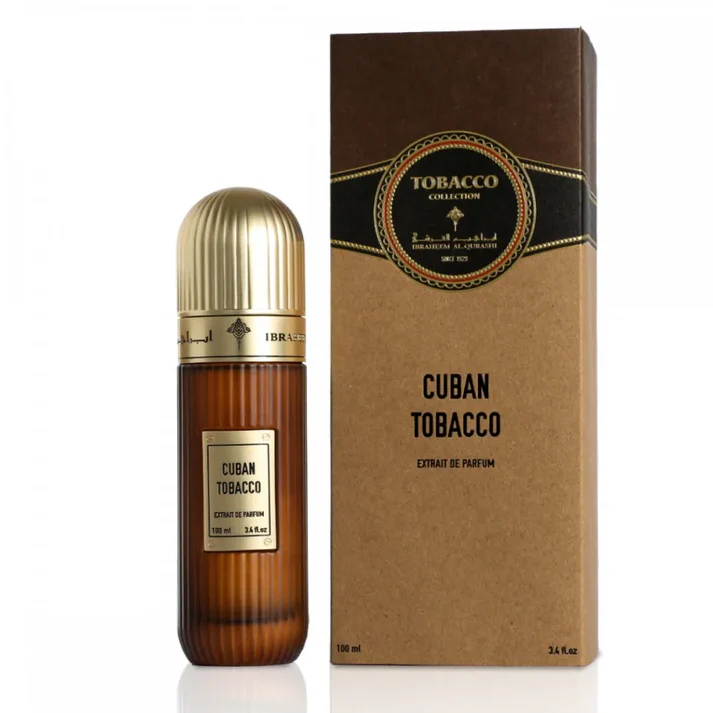
عطر التبغ العربي 100 مل
وفر 46%! اشترِ عطر التبغ العربي 100 مل بسعر 213.89 د.ل فقط في ليبيا. متوفر حاليا
🛒 تسوق الآن Libya Press
When Modanisa and Sayidaty showcase the latest abaya collections, millions of hijabi women around the world take notice. In 2026, the global modest fashion industry has crossed the $400 billion mark, and Libya is no exception. From Tripoli to Benghazi, women are embracing abaya styles that blend tradition with contemporary elegance.
This article breaks down the top abaya and hijabi fashion trends for 2026, backed by market data and designer insights.
Eco-conscious fashion has reached the modest wear segment. Leading brands now produce abayas from organic cotton, bamboo silk, and recycled polyester. A 2025 report by the Modest Fashion Institute found that 62% of hijabi consumers aged 18–35 prefer sustainable fabrics.
Libyan women are increasingly seeking stylish, ethically made abayas. Local North African designers respond with breathable, eco-friendly materials suited to warm climates. The sustainable abaya is a lasting shift in how women approach their wardrobe.
While black remains a staple, 2026 brings a surge in pastel and earthy colours. Dusty pink, sage green, terracotta, and lavender appear in abaya collections across the Middle East and North Africa. These soft shades offer versatility for daytime, evening, and workplace wear.
Fashion blogger Amina Al-Masri noted that "colourful abayas allow hijabi women to express personality while maintaining modesty." The trend is amplified by Instagram influencers and Ramadan collection launches from major retailers.
Minimalist abayas dominated for seasons, but 2026 marks a return to detailed craftsmanship. Intricate embroidery, pearl embellishments, and lace trims adorn modern designs, adding luxury without sacrificing modesty.
The open-front abaya, worn over dresses or wide-leg trousers, has become one of the most popular silhouettes of 2026. Its versatility lets women transition from daytime outings to formal gatherings with minimal effort. Modanisa reports open-front abayas now account for 35% of their total abaya sales.
For Libyan women attending social events, this style offers a modern alternative to the traditional closed abaya while maintaining full coverage.
Maxi dresses and kaftans have gained strong traction among hijabi women, offering comfort and effortless style. Floral-printed maxi dresses and embroidered kaftans are especially popular during spring and summer.
Designers use lightweight linen and viscose blends for hot climates — key for women in Libya and North Africa. Layering a denim jacket over a maxi dress has become a go-to street style look.
While printed hijabs remain available, 2026 favours texture-driven designs. Crinkled chiffon, silk with satin edges, and ribbed jersey knits dominate the market. These textured hijabs drape better and create a polished look without constant adjustment.
Hijab tutorials on TikTok and Instagram have popularised the layered wrap technique using two complementary scarves, creating a voluminous yet structured frame for the face.
Libyan women have growing access to modest fashion retailers online and in-store. Modanisa and Namshi ship to Libya, while local boutiques in Tripoli and Benghazi curate collections for North African tastes. Social marketplaces on Instagram and Facebook are popular for discovering independent designers.
The modest fashion community in Libya is vibrant — many women share styling tips in dedicated Facebook groups and WhatsApp circles, making fashion an accessible and shared experience.
— Libya Press / Lifestyle Desk