
قطاعة خضراوات متعددة الوظائف 9 في 1 مع سلة تصفية
وفر 24%! اشترِ قطاعة خضراوات متعددة الوظائف 9 في 1 مع سلة تصفية بسعر 186.24 د.ل
🛒 تسوق الآن Libya Press
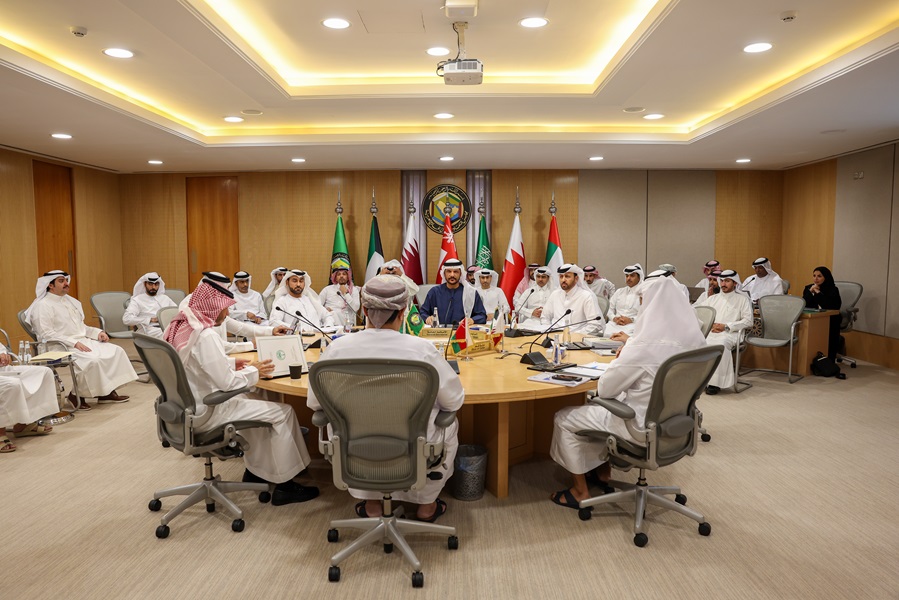
The Council of Arab Interior Ministers held its 43rd regular session, bringing together interior ministers and senior security officials from member states. The meeting was conducted via videoconference, reflecting the council's commitment to continuity in regional security coordination amidst evolving challenges.
The session was chaired by Saudi Arabia, which led deliberations on key security priorities. Discussions centered on enhancing collective mechanisms to combat transnational crime, terrorism financing, drug trafficking, and cyber threats that challenge national security architectures.
The 43rd session addressed critical agenda items including the implementation of previous resolutions, activation of joint security agreements, and development of integrated systems for information exchange. Delegates reviewed reports from specialized offices operating under the council's umbrella.
These bureaus include the Arab Office for Counter-Terrorism and Extremism in Riyadh, the Arab Office for Drug Control and Crime in Amman, the Arab Office for Civil Protection and Environmental Affairs in Rabat, and the Arab Office for Security Awareness and Media in Cairo. Each presented progress reports on regional initiatives and proposed new action plans.
A significant portion of the session evaluated the regional counter-terrorism strategy. Ministers discussed emerging extremist trends and the use of digital platforms for radicalization. The council emphasized the need for unified legal frameworks to prosecute terrorism-related offenses across jurisdictions.
The meeting also addressed cybercrime challenges, with ministers agreeing to strengthen technical cooperation and capacity-building programs for security personnel. The council stressed leveraging artificial intelligence and advanced technologies in crime prevention and forensic investigation.
Drug trafficking remains a pressing concern for Arab interior ministries. The session reviewed regional drug seizure data and trafficking patterns, with particular attention to emerging synthetic drug threats. Member states committed to intensifying border security coordination and intelligence sharing to disrupt trafficking networks.
The council also examined progress on the unified Arab strategy for combating organized crime, encompassing human trafficking, money laundering, and arms smuggling. Representatives highlighted successful joint operations conducted in recent months.
The security situation in Libya featured prominently in discussions. Ministers affirmed support for Libyan security institutions in their efforts to establish stability, combat terrorist groups, and secure borders. The council reiterated the importance of coordinated Arab action to support Libya's security sector reform.
Libya's participation underscores its commitment to regional security cooperation. The country has benefited from technical assistance and training programs provided through the council's specialized offices, particularly in counter-terrorism and border management.
This session follows recent developments within the broader framework of Arab interior cooperation. Earlier this week, Kuwait's First Deputy Prime Minister and Minister of Interior granted the first 15-year golden residency to Yusuf Ali Musliyam, Chairman of the Lulu Group International, highlighting member states' efforts to enhance investment environments through security and stability.
The Council of Arab Interior Ministers, established in 1982 and headquartered in Tunisia, serves as the primary platform for security coordination among Arab states. Its work encompasses 11 specialized offices covering internal security aspects from counter-terrorism to civil protection.
The 43rd session concluded with resolutions and recommendations aimed at strengthening joint Arab security action. Ministers agreed to accelerate digital transformation of security services, enhance cross-border data sharing protocols, and expand joint training programs across member states.
The next regular session is scheduled to be hosted by a member state later this year. The council's secretariat will monitor implementation of the adopted resolutions and report on progress at the next meeting.
— Libya Press / Security Desk