
سماعات الاذن
وفر 57%! اشترِ سماعات الاذن بسعر 163.2 د.ل فقط في ليبيا. متوفر حالياً، الدفع عند
🛒 تسوق الآن Libya Press
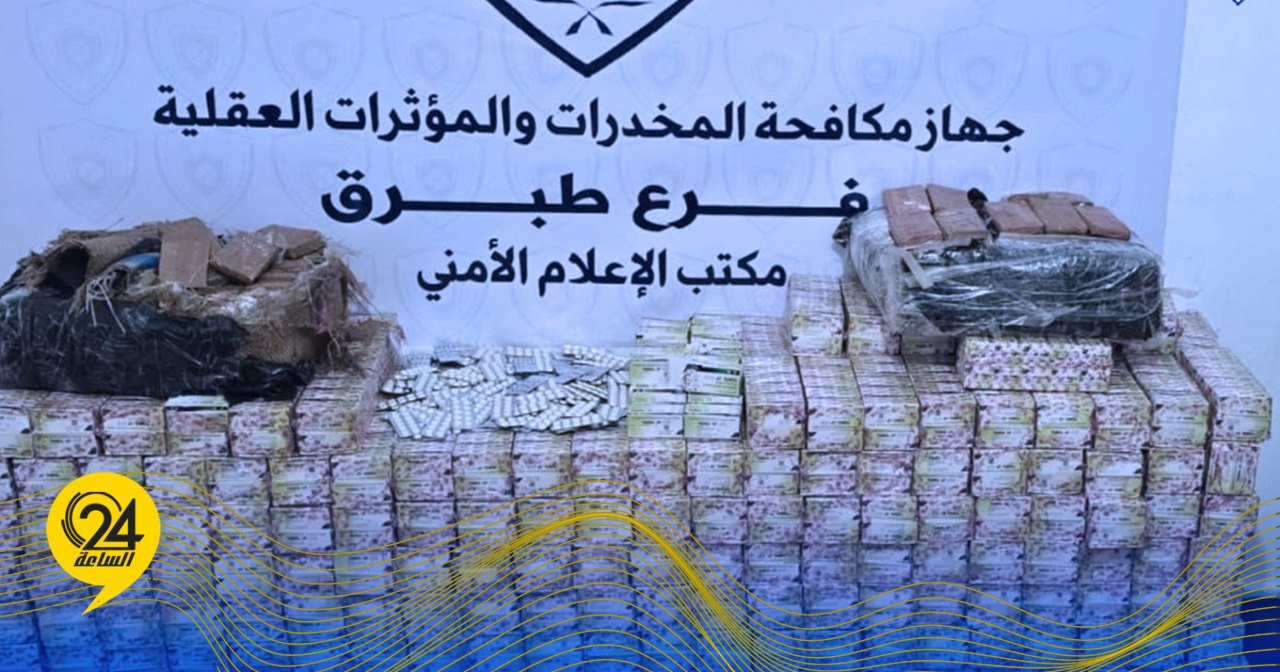
Libyan security forces have foiled two significant drug trafficking attempts in the past 24 hours, seizing approximately six tons of hashish, quantities of marijuana, and 76,000 Tramadol tablets across separate operations in Misurata and Sabha. The crackdown signals an intensifying campaign by Libyan authorities against narcotics smuggling networks operating through the country's ports and southern borders.
The Libyan Customs Authority announced the foiling of a major smuggling attempt through the Misurata Free Port, describing the operation as "qualitative" in its scale and execution. Security teams successfully intercepted more than five tons of hashish before it could enter the country through the port facility. The operation represents one of the largest drug seizures at a Libyan port this year and underscores the growing sophistication of smuggling networks targeting Libya's Mediterranean coastline.
The Misurata Free Port serves as one of Libya's most critical commercial gateways, handling a significant share of the country's imports. Security officials indicated that the shipment was concealed within commercial cargo, a tactic increasingly employed by trafficking organizations seeking to exploit high-volume trade routes. The interception was the result of coordinated intelligence work between customs enforcement and specialized security units monitoring narcotics activity.
In a separate operation conducted in the city of Sabha, located in Libya's southern Fezzan region, the Libyan Criminal Investigation Department worked alongside reconnaissance units to intercept another major drug shipment. The seized consignment included approximately 590,000 pills with an estimated market value of 15 million Libyan dinars. The operation highlights the persistent challenge of drug trafficking through Libya's vast southern borders, where limited security infrastructure creates opportunities for smuggling networks.
Sabha has long been identified as a key transit point for narcotics moving northward from sub-Saharan Africa toward Libya's coastal population centers and onward to European markets. The scale of the seizure — both in volume and street value — indicates the involvement of well-organized criminal networks with significant financial resources and cross-border connections.
Senior security officials involved in both operations emphasized that the Libyan authorities remain committed to pursuing drug trafficking networks with full force. A security source close to the Misurata operation stated: "These seizures reflect the high level of coordination between our security bodies, and we will continue to strike with an iron fist against anyone who attempts to poison our society." The official added that intelligence-led operations targeting smuggling networks have been intensified in recent weeks, with particular focus on port facilities and southern border crossings.
The dual operations carry significant implications for Libya's security landscape and its international standing. Drug trafficking has long been intertwined with armed group financing and political instability in the country, with various factions relying on narcotics revenues to sustain their operations. Successful interdiction efforts like those in Misurata and Sabha weaken these financial networks and contribute to broader stabilization goals.
For ordinary Libyans, the seizures represent a critical line of defense against the spread of addiction, particularly among youth populations. Tramadol abuse has emerged as a serious public health concern across Libya in recent years, with limited treatment infrastructure available to address growing demand. Each major seizure prevents thousands of doses from reaching communities already strained by conflict and economic hardship.
Libya's geographic position between drug-producing regions in sub-Saharan Africa and consumer markets in Europe makes it an attractive transit corridor. International partners, including the United Nations, have repeatedly called for strengthened border security and institutional capacity building to combat narcotics trafficking through Libyan territory.
Security analysts expect further operations in the coming weeks as Libyan authorities build on the momentum of these successful interceptions. The combination of enhanced port screening technology, improved intelligence sharing between security agencies, and increased international cooperation is gradually shifting the balance against trafficking networks operating in Libyan territory.
The Libyan Criminal Investigation Department has urged citizens to report suspicious activities related to drug trafficking through official channels, emphasizing that community participation remains essential to dismantling smuggling operations. As Libya continues its path toward stability, sustained pressure on narcotics networks will remain a cornerstone of national security strategy.
— LibyaPress / Security Desk