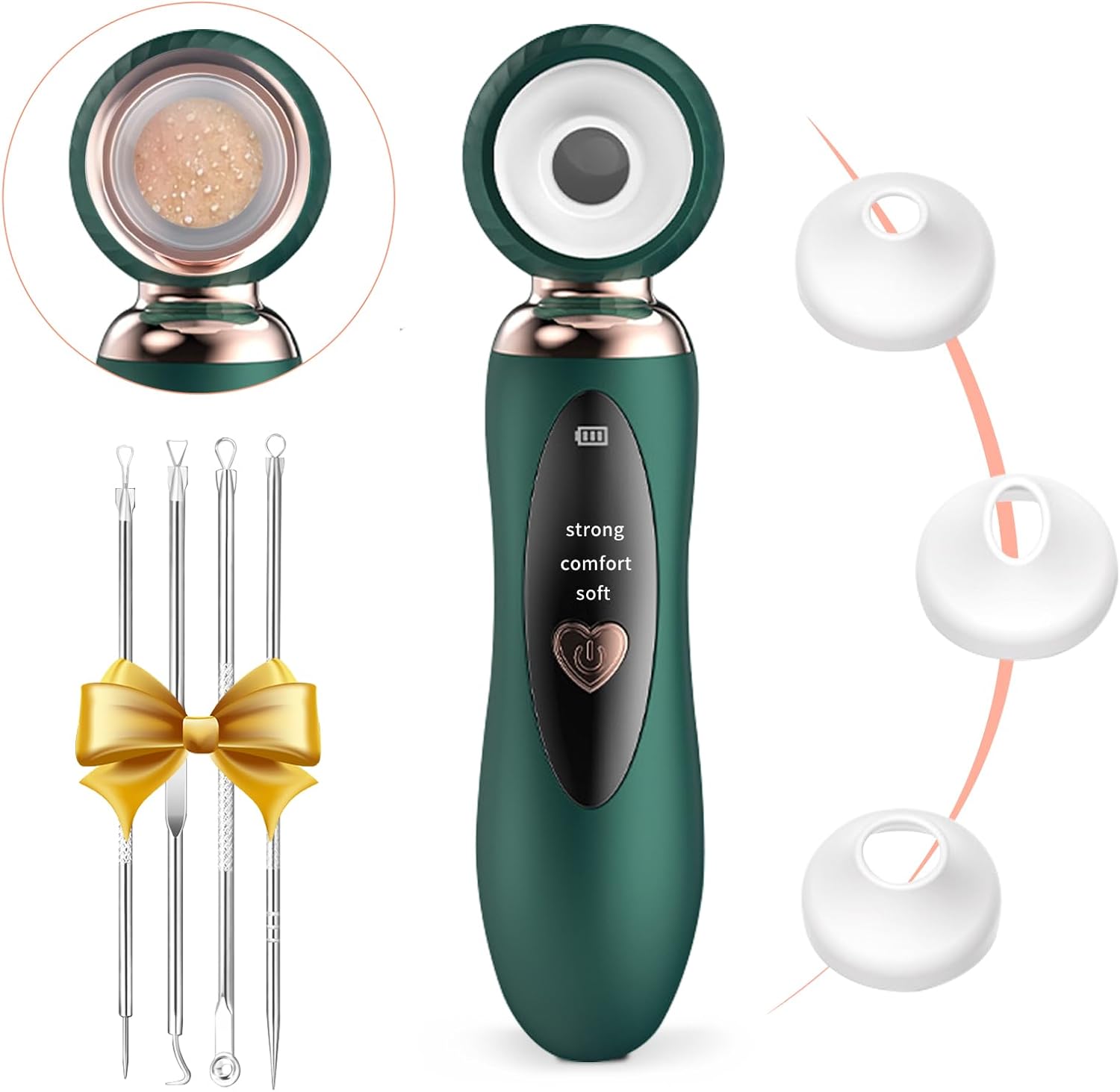
مزيل الرؤوس السوداء
وفر 25%! اشترِ مزيل الرؤوس السوداء بسعر 206.6 د.ل فقط في ليبيا. متوفر حالياً، ال
🛒 تسوق الآن Libya Press
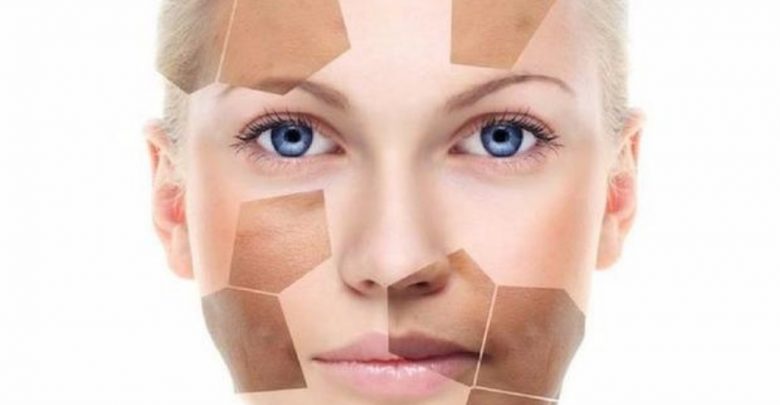
Skin discoloration and post-acne marks affect nearly 65% of women across North Africa and the Middle East, according to recent dermatological studies. The combination of intense sun exposure, hormonal fluctuations, and delayed treatment creates stubborn dark spots that resist ordinary skincare products. Libyan women face particular challenges due to the harsh desert climate, where UV radiation accelerates melanin production and deepens existing pigmentation.
Without a targeted routine, these marks can persist for months or even years. The key lies in understanding that discoloration requires three simultaneous approaches: active ingredient treatment, deep hydration, and strict sun protection.
The most effective routine combines proven active ingredients with consistent application. Here is the complete daily and weekly protocol recommended by skincare specialists:
Not all skincare ingredients deliver visible results. Research published in the Journal of Cosmetic Dermatology identifies the most effective compounds for treating discoloration and acne scars. Vitamin C at concentrations between 15% and 25% reduces melanin synthesis by up to 60%. Tranexamic acid has emerged as a breakthrough ingredient, showing significant improvement in skin uniformity within 4 weeks of consistent use. Hyaluronic acid provides the deep hydration necessary for skin repair without clogging pores or causing additional breakouts.
Collagen complexes support skin elasticity and help restore the damaged texture left by severe acne. When combined, these ingredients create a comprehensive treatment that addresses both the color and texture of discolored skin simultaneously.
Dermatologists emphasize that consistency matters more than product price. A complete routine followed morning and evening produces visible results within 6 to 8 weeks. Skipping sunscreen is the single most common mistake that prevents improvement, as UV exposure reverses the effects of every other treatment product applied to the skin.
Libya's climate presents unique skincare challenges that make discoloration particularly difficult to treat. Summer temperatures exceeding 40°C increase sebum production, which worsens acne and leads to more pronounced scarring. The sandy, dry environment also dehydrates the skin, slowing the natural healing process. Women in Tripoli, Benghazi, and southern regions like Sabha face these conditions year-round.
Access to dermatological care remains limited across many Libyan cities, making home-based routines especially important. Affordable alternatives to luxury brands are widely available in Libyan pharmacies, including vitamin C serums and tranexamic acid products that deliver comparable results at lower prices.
Clear, unified skin is achievable with the right routine and consistent effort. Begin with the vitamin C serum as your foundation product, add sunscreen as a non-negotiable daily habit, and introduce active treatments gradually to avoid irritation. Track your progress with weekly photos — most women notice visible improvement within the first 30 days. Your skin has the ability to heal and renew itself. Give it the right tools, and the results will follow.
— LibyaPress / Women's Health Desk
===END_ENGLISH===