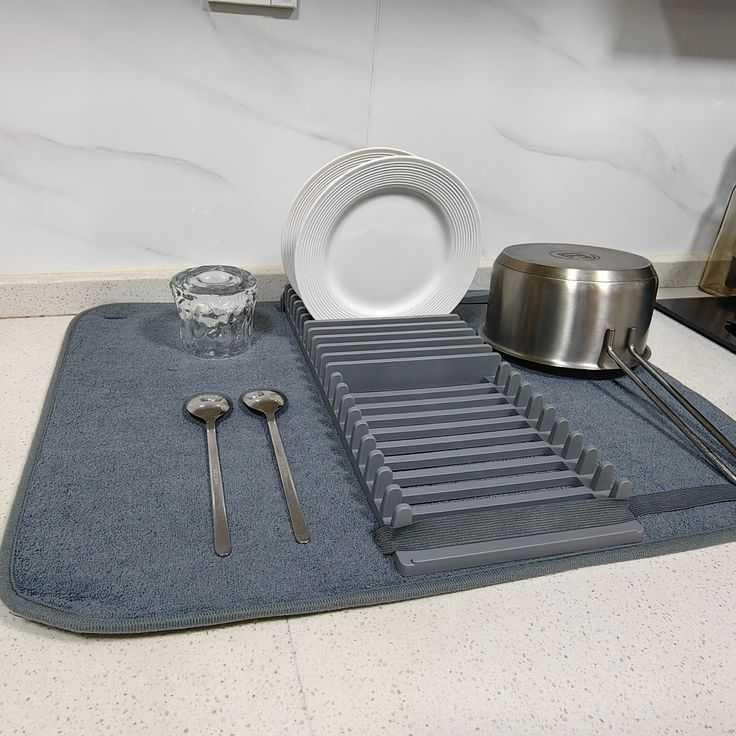
فرشاة تنظيف طبقة الزيت للسيارات
وفر 9%! اشترِ فرشاة تنظيف طبقة الزيت للسيارات بسعر 278.4 د.ل فقط في ليبيا. متوفر
🛒 تسوق الآن Libya Press
The Central Bank of Libya has launched aggressive monetary measures to break foreign currency speculation and restore balance to the Libyan dinar. In a decisive move announced today, June 24, 2026, the bank injected $6 billion into the domestic market — the largest single liquidity operation in recent years. This intervention targets the parallel market where the dinar had been under severe pressure from speculative trading.
According to Ain Libya, the central bank's move represents a comprehensive strategy to stabilize exchange rates and rebuild confidence in Libya's financial system. The operation comes after weeks of escalating speculation that drove the dinar to historic lows against the US dollar on the black market.
Libya's currency crisis has deep roots in political division and oil revenue disruptions. The parallel market exchange rate had diverged significantly from the official rate, creating opportunities for speculators to profit from the gap. The Central Bank, headquartered in Tripoli, has been working to unify the exchange rate regime — a key condition for international financial institutions supporting Libya's economic recovery.
Economic analysts note that previous interventions failed because they lacked sufficient scale. The $6 billion injection represents approximately 15% of Libya's total foreign currency reserves, signaling the bank's determination to overwhelm speculative positions through sheer market force.
Financial experts describe the intervention as a necessary but risky strategy. Dr. Mohamed Al-Zarouk, a Tripoli-based economist, stated: "The Central Bank is essentially calling the speculators' bluff. By flooding the market with dollars, they are eliminating the scarcity that speculators were exploiting. However, this must be accompanied by structural reforms to prevent recurrence."
The International Monetary Fund has previously recommended that Libya adopt a more flexible exchange rate mechanism to ensure long-term balance of payments stability. Today's move aligns with those recommendations while addressing immediate market distortions.
For ordinary Libyan citizens, currency speculation has meant higher prices for imported goods, from food to medicine. A stable dinar directly translates to lower living costs and greater purchasing power. The Central Bank's intervention, if successful, could reduce inflationary pressures that have eroded household budgets across the country.
Business owners in Benghazi and Tripoli have long complained that exchange rate uncertainty makes planning impossible. A unified, stable rate would enable importers, manufacturers, and service providers to operate with predictable costs — potentially stimulating job creation and economic growth.
The Central Bank has indicated that additional monetary measures may follow depending on market response. Observers expect the bank to tighten regulations on currency trading and increase transparency in foreign exchange allocation. The success of this intervention will be measured not just by short-term exchange rate stability, but by whether Libya can sustain a unified rate without depleting its reserves.
For Libya's economy, this moment represents a critical test of institutional capacity. If the Central Bank can maintain discipline while supporting legitimate economic activity, the dinar's recovery could mark the beginning of broader financial stability — and with it, renewed hope for millions of Libyans seeking economic normalcy.
— LibyaPress / Economy Desk