
مدفأة زجاجات الأطفال المحمولة
وفر 17%! اشترِ مدفأة زجاجات الأطفال المحمولة بسعر 314.88 د.ل فقط في ليبيا. متوفر
🛒 تسوق الآن Libya Press
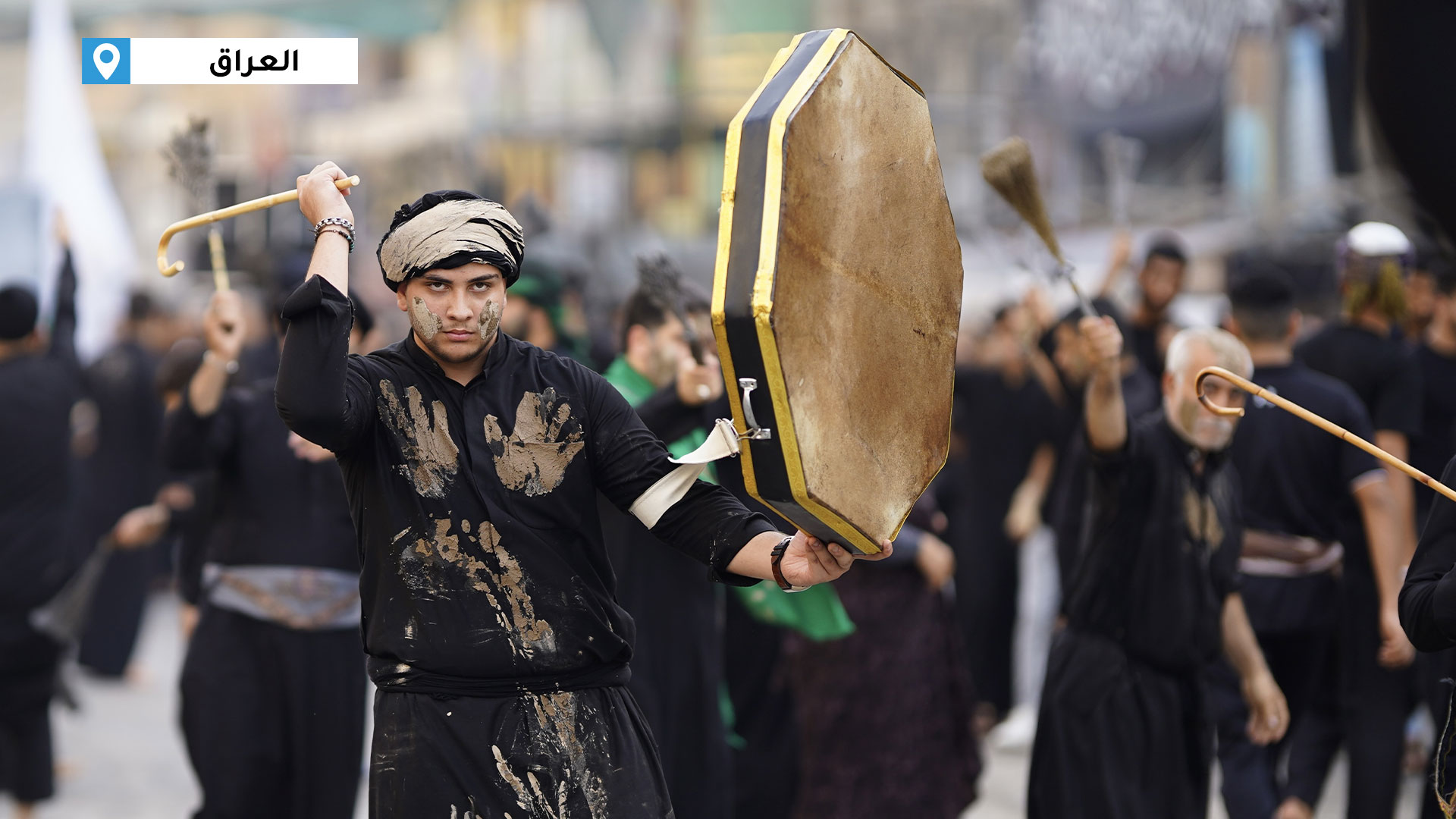
Over 1,300 years after the historic event at Karbala, Ashura remains one of the most significant religious occasions in the Islamic world. Today, an estimated 1.8 billion Muslims across more than 50 countries observe the 10th day of Muharram in dramatically different ways — from the streets of Manama to the valleys of Libya, from traditional charitable giving to modern digital commemorations. Yet the core values of sacrifice, justice, and community solidarity remain unchanged.
Ashura marks the day when Imam Hussein, the grandson of Prophet Muhammad, was martyred at the Battle of Karbala in 680 CE. For Sunni Muslims, it also commemorates the day Moses and the Israelites were saved from Pharaoh. These dual layers of meaning have allowed Ashura to evolve into a rich tapestry of customs that vary dramatically from region to region — a living example of how past and present intertwine in Islamic culture.
According to cultural heritage researchers, Ashura traditions in the Arab world date back at least 400 years, with distinct regional practices emerging across North Africa, the Levant, the Gulf, and beyond. What began as purely religious observance has, over centuries, absorbed local cultural elements — food traditions, music, communal gatherings, and charitable practices — that make each country's Ashura unique.
The tension between preserving heritage and adapting to modern life defines contemporary Ashura observance. In many communities, traditions that once required physical gathering have migrated online. Families who previously spent hours preparing large communal meals now share recipes on social media. Children who once received sweets door-to-door now receive digital greetings and e-gifts.
Cultural heritage experts note that this evolution is natural and mirrors patterns seen across all major religious observances worldwide. "Customs that survive are customs that adapt," said one researcher specializing in North African cultural traditions. "The essence of Ashura — remembering sacrifice and renewing commitment to justice — does not change. Only the methods of expression evolve."
Yet some traditions resist change entirely. The practice of fasting on the 9th and 10th of Muharram, recommended by Prophet Muhammad, remains universally observed. The act of giving to charity, central to Ashura's message, continues to increase year after year. These enduring practices demonstrate that while customs may shift, core values remain firmly anchored.
In Libya, Ashura holds a special place in the national cultural fabric. Libyan families observe the day with a combination of religious devotion and rich cultural traditions that distinguish the North African observance from its Gulf or Levantine counterparts.
Libyan households traditionally prepare "Al-Kunafa" and special date-based sweets, distributing them to neighbors, children, and the less fortunate. Mosques across the country hold special lectures and recitations. In cities like Tripoli, Benghazi, and Misrata, community organizations coordinate food drives that serve thousands of families during Muharram.
What makes Libyan Ashura distinctive is the seamless integration of religious observance with social cohesion. The day functions not only as a religious commemoration but as a community-building event that strengthens neighborhood ties — a particularly meaningful function in a country that has experienced years of social disruption.
Beyond the changing customs and evolving traditions, Ashura's enduring power lies in its universal message. The story of Imam Hussein's stand against tyranny at Karbala transcends sect, geography, and era. It speaks to every human being who has ever faced injustice and chosen principle over comfort.
For modern Muslims navigating the complexities of contemporary life, Ashura offers a moment of reflection and renewal. It is a day to review one's own commitments to justice, generosity, and community — values as relevant today as they were in 680 CE.
"Ashura transforms values from words into action," noted one Islamic scholar. "It is not enough to believe in justice; Ashura demands that we live it. This is why the tradition endures — because the need for justice never ends."
As the world changes at an unprecedented pace, Ashura stands as a reminder that some things remain constant. The customs may evolve — the sweets may be delivered by app instead of hand, the lectures may be streamed instead of attended in person — but the core values of sacrifice, compassion, and community endure across every generation.
The challenge for future generations will be maintaining the human connection at the heart of Ashura while embracing the tools of the digital age. Communities that succeed will be those that find creative ways to use technology not as a replacement for tradition, but as an amplifier of its deepest values.
For Libyan families, this means passing down not just the recipes and customs, but the stories and values behind them. It means ensuring that children understand why they fast, why they give, and why they remember — connecting the past to the present in ways that inspire the future.
Ashura endures because it speaks to something timeless in the human spirit. The customs will continue to change. The values will always remain.
— LibyaPress / Entertainment Desk
===END_ENGLISH===