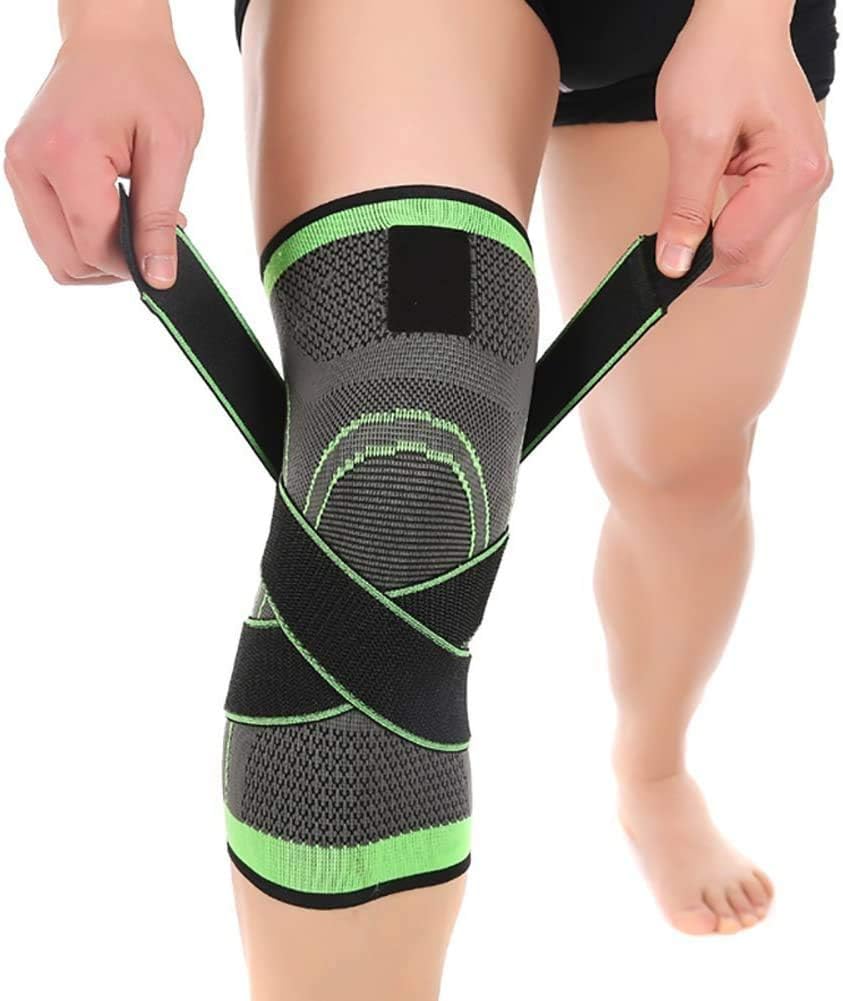
كم الركبة الضاغط
وفر 45%! اشترِ كم الركبة الضاغط بسعر 142.08 د.ل فقط في ليبيا. متوفر حالياً، الدف
🛒 تسوق الآن Libya Press
The global modest fashion industry is projected to reach $402 billion by 2027, with hijabi fashion as one of its fastest-growing segments. For Muslim women in Libya and across the MENA region, the challenge is no longer finding modest clothing—it is finding pieces that balance timeless elegance with contemporary style. Classic hijabi fashion has emerged as the answer, offering silhouettes that transcend fleeting trends while remaining fresh and modern.
Classic hijabi fashion prioritizes modesty through structure, fabric quality, and thoughtful design rather than chasing trends. Think tailored abayas, well-fitted long skirts, structured blazers over loose tops, and dresses with clean lines that flatter without clinging. According to BW Magazine and international modest fashion platforms, classic wardrobe staples include neutral-toned maxi dresses, tweed jacket sets, and wide-leg trousers paired with long-sleeve blouses.
In 2026, earthy tones—olive green, terracotta, sand, and warm browns—have replaced stark neutrals as the new classics. These colors photograph beautifully and complement a wide range of skin tones, making them especially popular among Libyan women seeking versatile everyday wear. Layering remains a cornerstone of the look: lightweight kimonos, open-front cardigans, and structured vests add dimension without compromising coverage.
The return of 1970s-inspired wide-leg silhouettes has been a game-changer. They offer full coverage while creating an elongated, elegant line that suits both casual and formal settings. These shapes work particularly well in Libya's climate, allowing airflow while maintaining a polished appearance.
Classic hijabi fashion emphasizes fabric quality over quantity. Natural fibers like linen, cotton, and modal blends breathe in warm climates while maintaining their shape. Crepe and jersey fabrics that drape well without being transparent are especially valued. The "oversized but intentional" trend means garments are roomy without looking shapeless, with subtle tailoring—darts at the waist, cinched cuffs, and adjustable drawstrings—giving structure while preserving modesty.
Building a classic hijabi wardrobe starts with a neutral base. A cream maxi skirt with a soft cotton blouse creates an effortless daytime look, while a structured camel blazer elevates it for meetings or evening gatherings. Gold-toned jewelry, leather belts over cardigans, and woven handbags add personality without overwhelming the outfit. For hijab styling, breathable fabrics like chiffon or cotton voile in solid colors—cream, dove gray, dusty rose—pair seamlessly with most outfits and create a cohesive polished appearance.
The modest fashion market in Libya has grown significantly, with local designers and boutiques in Tripoli, Benghazi, and Misrata offering ready-to-wear classic pieces. Online platforms such as Namshi and Modanisa, alongside local Libyan e-commerce stores, have made quality modest fashion accessible nationwide. Libyan hijabi fashion influencers on Instagram and TikTok showcase how to style classic pieces for local weather and cultural contexts, creating a community of shared styling tips and boutique recommendations.
Classic hijabi fashion endures because it prioritizes confidence and comfort over chasing every micro-trend. Investing in well-made, thoughtfully designed pieces means fewer shopping trips, less decision fatigue, and a wardrobe that always looks put together. For the modern Libyan woman who values both her faith and her personal style, classic hijabi fashion is not a compromise—it is the smartest way to dress. By choosing quality over quantity and timeless design over fast fashion, women build a wardrobe that serves them for years, not just a single season.
— Libya Press / Fashion Desk