
وسادة تجفيف الأطباق للمطبخ
وفر 27%! اشترِ وسادة تجفيف الأطباق للمطبخ بسعر 180.48 د.ل فقط في ليبيا. متوفر حا
🛒 تسوق الآن Libya Press
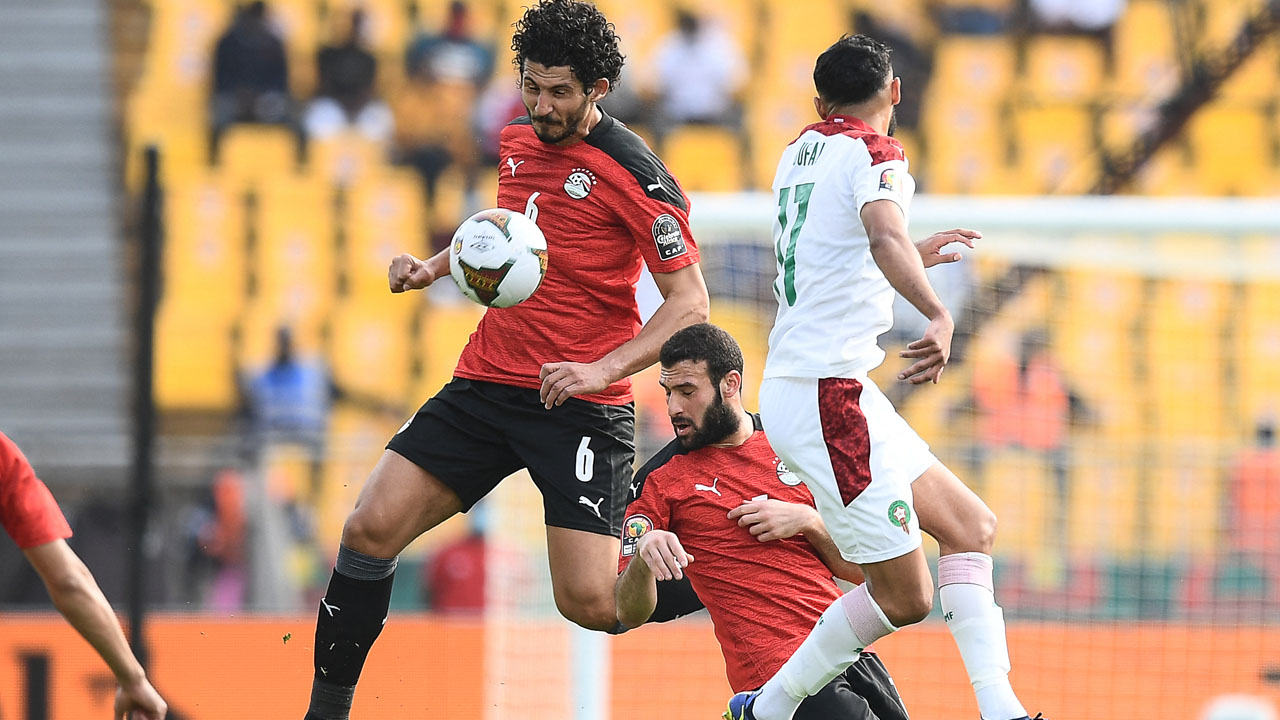
Egypt's Under-17 national football team claimed third place at the TotalEnergies AFCON U-17 tournament on June 2, 2026, defeating hosts Morocco 2-0 in a decisive third-place playoff match. The victory capped off a strong showing for the Egyptian youth squad on the continental stage, delivering a performance that combined defensive solidity with clinical finishing in front of a passionate crowd at the Main Stadium in Morocco.
The match, officiated by Tunisian referee Issam Bousbih, saw Egypt take control early and never relinquish their grip on the contest. According to match highlights published on June 2, 2026, Egypt's young Pharaohs displayed tactical maturity beyond their years, outplaying a Moroccan side that had entered the tournament as one of the favorites on home soil.
The TotalEnergies AFCON U-17 tournament serves as Africa's premier youth football competition and doubles as the qualifying pathway for the FIFA U-17 World Cup. Both Morocco and Egypt entered the competition with high expectations, having invested significantly in youth development programs over recent years. Morocco, as tournament hosts, carried the weight of home support, while Egypt arrived with a squad widely regarded as one of the most talented in the competition.
Both teams suffered semifinal defeats that ended their hopes of lifting the trophy, setting up a third-place playoff that carried significant pride and momentum implications for the future of both nations' youth football programs. Flashscore.com's head-to-head statistics and match coverage confirmed the competitive nature of the Egypt-Morocco footballing rivalry, which extends across all age groups and formats of the game.
The result underscores the growing strength of youth football development across North Africa, where nations like Egypt, Morocco, Algeria, and Tunisia are increasingly producing technically gifted players capable of competing at the highest levels. Egypt's ability to defeat the host nation in such a high-pressure match speaks volumes about the quality of coaching and player preparation within their youth setup.
Football analysts across the region have pointed to this tournament as evidence that North African nations are closing the gap with traditional powerhouses from West Africa in youth development. The competitive nature of the Egypt-Morocco rivalry, which has played out across beach soccer, futsal, and traditional football formats — including the Casablanca Beach Soccer Cup 2022 where the two nations also met — adds further significance to this result.
For Libya, the performances of Egypt and Morocco at the AFCON U-17 level serve as both inspiration and a benchmark. Libyan youth football has faced significant challenges in recent years due to infrastructure limitations and limited international competition exposure. The success of neighboring nations in developing competitive youth programs highlights the urgent need for Libya to invest in grassroots football academies and structured youth leagues.
Libyan football federations and sports authorities can draw valuable lessons from Egypt's systematic approach to youth development, which has consistently produced competitive squads at continental tournaments. The proximity and cultural ties between Libya and both Egypt and Morocco make these nations natural partners for friendly matches, training camps, and knowledge-sharing initiatives that could accelerate the growth of Libyan youth football.
As the dust settles on the 2026 AFCON U-17 tournament, both Egypt and Morocco will turn their attention to preparing the next generation of talent for upcoming continental and global competitions. For Egypt, the third-place finish provides a foundation of confidence and tournament experience that will serve these young players well as they progress through the national team ranks.
The broader trend across North Africa is encouraging, with increased investment in youth academies, coaching education, and competitive domestic leagues for young players. As these programs mature, the region is poised to become an even more significant force in African and world football. For fans across Libya and the wider region, the future of the beautiful game has never looked brighter.
— LibyaPress / Sports Desk