
منظم مستحضرات التجميل
وفر 26%! اشترِ منظم مستحضرات التجميل بسعر 345.6 د.ل فقط في ليبيا. متوفر حالياً،
🛒 تسوق الآن Libya Press
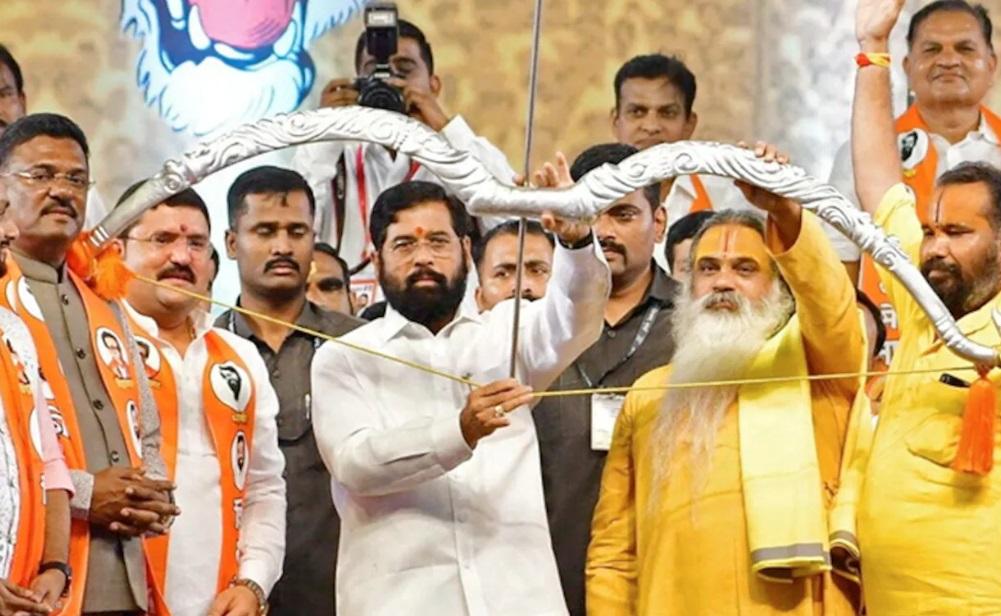
Maharashtra Chief Minister Eknath Shinde has intensified the ongoing Shiv Sena split by publicly calling himself a "tiger" while directing sharp rhetoric at his political rivals. The latest verbal salvo, reported across multiple Indian news outlets in the past 24 hours, underscores the deepening rift within one of India's most influential regional parties. The Shiv Sena split, which first erupted in 2022, continues to reshape the political landscape of India's second-most populous state.
The Shiv Sena, a right-wing Marathi nationalist party founded in 1966 by Bal Thackeray, fractured in June 2022 when Eknath Shinde led a rebellion of 40 out of 55 Shiv Sena legislators against then-chief minister Uddhav Thackeray. Shinde subsequently formed a government in alliance with the Bharatiya Janata Party, while Thackeray's faction retained the Shiv Sena (UBT) name after a prolonged legal battle. The Election Commission of India eventually awarded the party name and symbol to Shinde's faction in early 2024, a decision that Thackeray's camp has continued to challenge.
"This kind of language is designed to project strength and intimidate the opposition within the party," said political commentator Suhas Palshikar, a well-known analyst of Maharashtra politics. "By calling himself a tiger, Shinde is sending a clear message that he considers the battle for Shiv Sena's legacy already won. The question is whether this bravado will translate into electoral gains or alienate moderate voters."
The use of animal metaphors in Indian political discourse is not new, but the directness of Shinde's remarks has drawn attention even by the standards of Maharashtra's often combative political culture. Supporters of Shinde argue that his strongman image resonates with the party's traditional base, while critics say it undermines democratic norms within the organization.
While the Shiv Sena split is an internal Indian political matter, its implications extend beyond Maharashtra. The party has historically maintained connections with diaspora communities across North Africa and the Middle East, including Libya, where Indian expatriate workers form a significant part of the labor force. Political instability in Indian states like Maharashtra can affect remittance flows, trade relations, and the welfare of expatriate communities. For Libyan readers tracking global political developments, the Shiv Sena saga offers a case study in how regional party dynamics can reshape national governance in one of the world's largest democracies.
The coming weeks will be critical for both Shiv Sena factions as Maharashtra prepares for upcoming electoral contests. Shinde's camp appears confident that its numerical superiority and alliance with the BJP will secure its dominance, while Thackeray's Shiv Sena (UBT) is banking on emotional loyalty to the Thackeray family name. Political observers expect the war of words to intensify, with both sides seeking to consolidate their positions before the next round of elections. For now, the tiger has roared — but in Maharashtra's unpredictable political jungle, the final outcome remains far from certain.
— LibyaPress / Entertainment Desk