
زيت تقشير الوجه واليدين
وفر 32%! اشترِ زيت تقشير الوجه واليدين بسعر 162.24 د.ل فقط في ليبيا. متوفر حاليا
🛒 تسوق الآن Libya Press
Feyenoord Rotterdam has officially completed its historic takeover of De Kuip, the legendary stadium that has served as the club's home since 1937. The acquisition returns full ownership of one of Europe's most iconic football venues to the club itself, marking a transformative moment in Dutch football history.
The deal was confirmed this week after months of negotiations between the club and Rotterdam city authorities. Feyenoord, one of the Netherlands' "Big Three" football clubs alongside Ajax and PSV Eindhoven, now holds complete control over Stadion Feijenoord, commonly known as De Kuip, located in the Rotterdam Zuid district.
De Kuip opened its doors in 1937 and has since become one of the most celebrated stadiums in European football. With its distinctive bowl design and passionate atmosphere, the venue has hosted countless historic matches, including the 1972 European Cup final and numerous international fixtures for the Dutch national team.
The stadium currently seats approximately 51,000 spectators, making it the second-largest football stadium in the Netherlands. Its reputation for generating an electric matchday atmosphere has earned it legendary status among football enthusiasts worldwide.
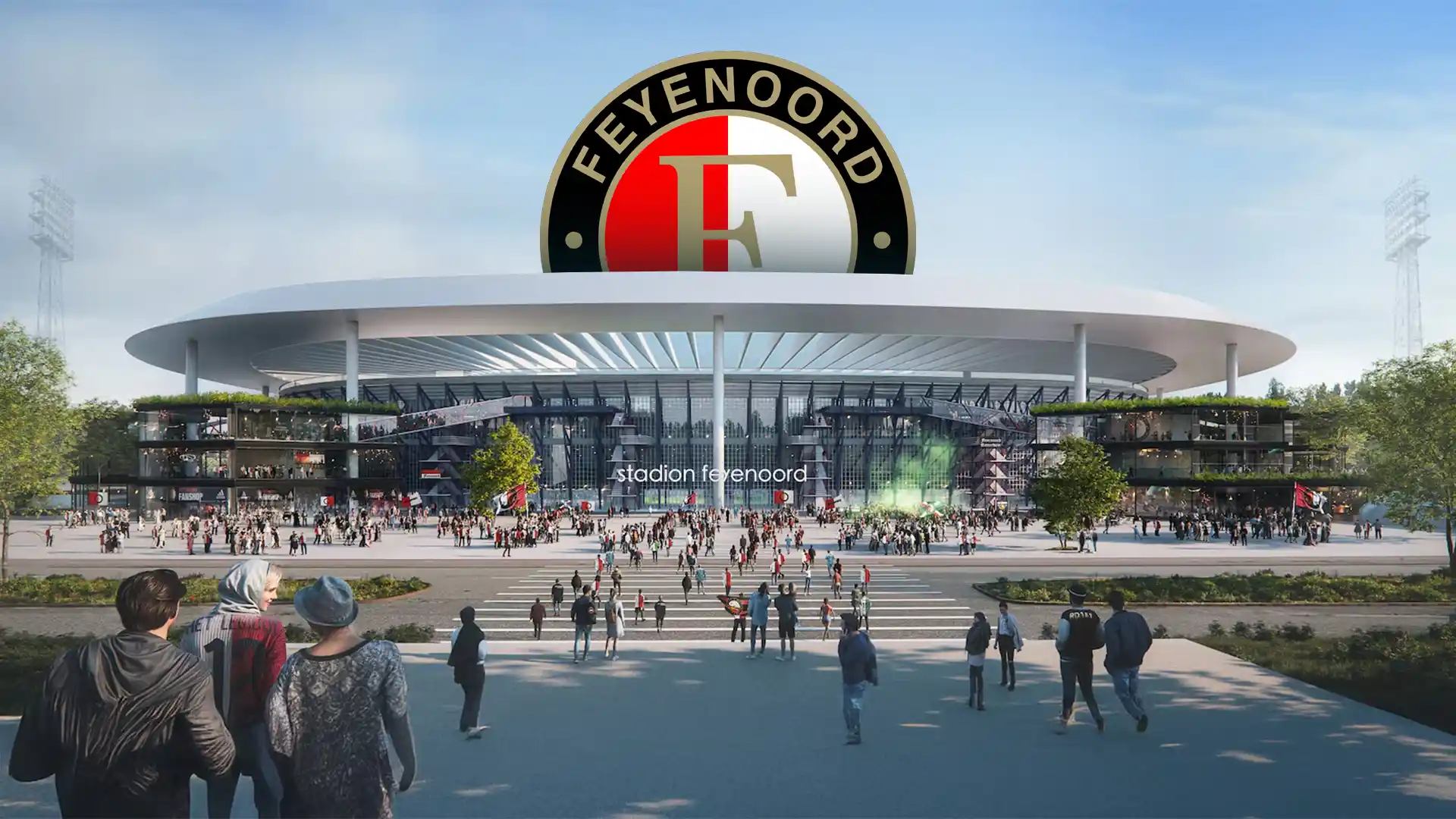
Following the completion of the takeover, Feyenoord revealed ambitious plans to expand De Kuip by adding roughly 10,000 seats. The expansion proposal was unveiled shortly after the club secured full ownership of the stadium through the share deal.
Club officials stated that the expansion would modernize the facility while preserving its iconic architectural character. The project aims to enhance the matchday experience for supporters and generate additional revenue streams for the club through increased capacity.
The takeover positions Feyenoord among a growing number of European clubs that own their stadiums outright. This model, prevalent in the English Premier League and German Bundesliga, gives and control over commercial operations.
Rotterdam Zuid, the working-class neighborhood surrounding De Kuip, is expected to benefit economically from the investment. Local businesses anticipate increased matchday foot traffic and long-term development associated with the stadium expansion.
For Libyan football enthusiasts, Feyenoord's historic takeover of De Kuip represents a significant development in European football infrastructure. Libyan fans, who closely follow major European leagues including the Dutch Eredivisie, will witness the evolution of one of the continent's most storied venues.
The expansion plans mirror ongoing discussions about sports infrastructure development in North Africa. As Libya continues rebuilding its sports sector, the Feyenoord model of club-owned stadiums offers a potential blueprint for sustainable investment in football facilities across the region.
Feyenoord Rotterdam's acquisition of De Kuip marks the beginning of a new chapter for both the club and the stadium. With expansion plans on the horizon and full ownership secured, the Dutch club is positioned for sustained growth and enhanced competitiveness in European football.
The coming months will see further details emerge about the expansion timeline and investment figures. For now, Feyenoord supporters can celebrate the return of their beloved De Kuip to its rightful home.
— LibyaPress / Sports Desk