
إزالة شعر الحيوانات الأليفة
وفر 2%! اشترِ إزالة شعر الحيوانات الأليفة بسعر 236.16 د.ل فقط في ليبيا. متوفر حا
🛒 تسوق الآن Libya Press
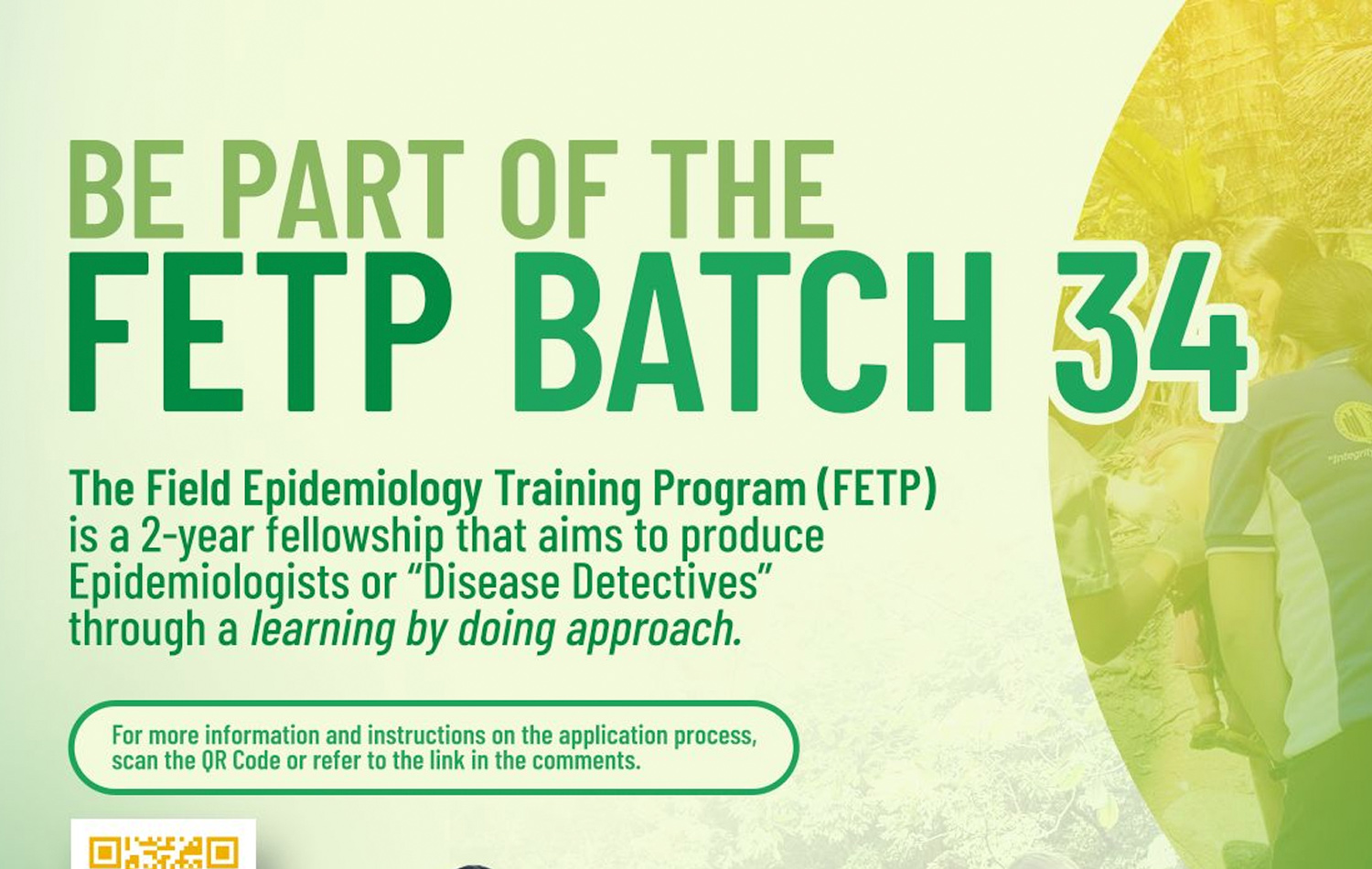
Field epidemiology training programs have reached a critical milestone, with more than 150 countries now operating initiatives designed to build rapid disease detection and response capacity worldwide. These programs, often called "disease detective" training, represent one of the most significant investments in global public health infrastructure over the past four decades.
The U.S. Centers for Disease Control and Prevention established the first Field Epidemiology Training Program in 1980, creating a model that has since been replicated across every inhabited continent. The program's flagship approach combines intensive classroom instruction with hands-on field experience, producing epidemiologists capable of investigating disease outbreaks in real time.
TEPHINET, the global network for field epidemiology training programs, reports that its member programs now span more than 150 countries. Each program follows a competency-based model developed in partnership with the CDC, emphasizing practical skills in surveillance, outbreak investigation, and data analysis.
The training typically involves a two-year applied epidemiology experience where trainees spend approximately 25 percent of their time in classroom learning and 75 percent in field placements. This structure ensures graduates can immediately contribute to national health security efforts upon completion.
Public health officials emphasize that field epidemiology training programs have transformed how countries respond to health emergencies. The hands-on model produces professionals who can identify threats before they escalate into pandemics, according to multiple global health organizations.
EMPHNET, the Eastern Mediterranean Public Health Network, notes that FETPs strengthen countries' ability to detect, investigate, and respond to public health threats using a proven framework established by the CDC and adapted for regional needs.
For Libya and the broader North African region, field epidemiology training programs represent a critical investment in health security. Countries with active FETP participation have demonstrated faster response times to infectious disease outbreaks, including cholera, measles, and respiratory illness clusters.
Libya's health infrastructure, which has faced significant challenges due to years of conflict, stands to benefit from expanded field epidemiology capacity. Trained epidemiologists can strengthen disease surveillance systems, improve data quality, and enable faster containment of emerging health threats across the region.
The World Health Organization has identified field epidemiology as a core competency for national health systems, particularly in regions vulnerable to cross-border disease transmission and environmental health hazards.
As global health threats continue to evolve, field epidemiology training programs are expanding their scope to include environmental hazards, antimicrobial resistance, and digital surveillance technologies. The integration of advanced data analytics and genomic epidemiology into training curricula ensures that the next generation of disease detectives will be equipped for emerging challenges.
Investment in these programs today builds the health security infrastructure that protects communities tomorrow. For Libya and nations across the Middle East and North Africa, participation in field epidemiology training represents a strategic priority for safeguarding public health and preventing the next pandemic.
— LibyaPress / Health Desk
===END_ENGLISH===