
ملعقة إلكترونية ميزان
وفر 54%! اشترِ ملعقة إلكترونية ميزان بسعر 159.36 د.ل فقط في ليبيا. متوفر حالياً،
🛒 تسوق الآن Libya Press
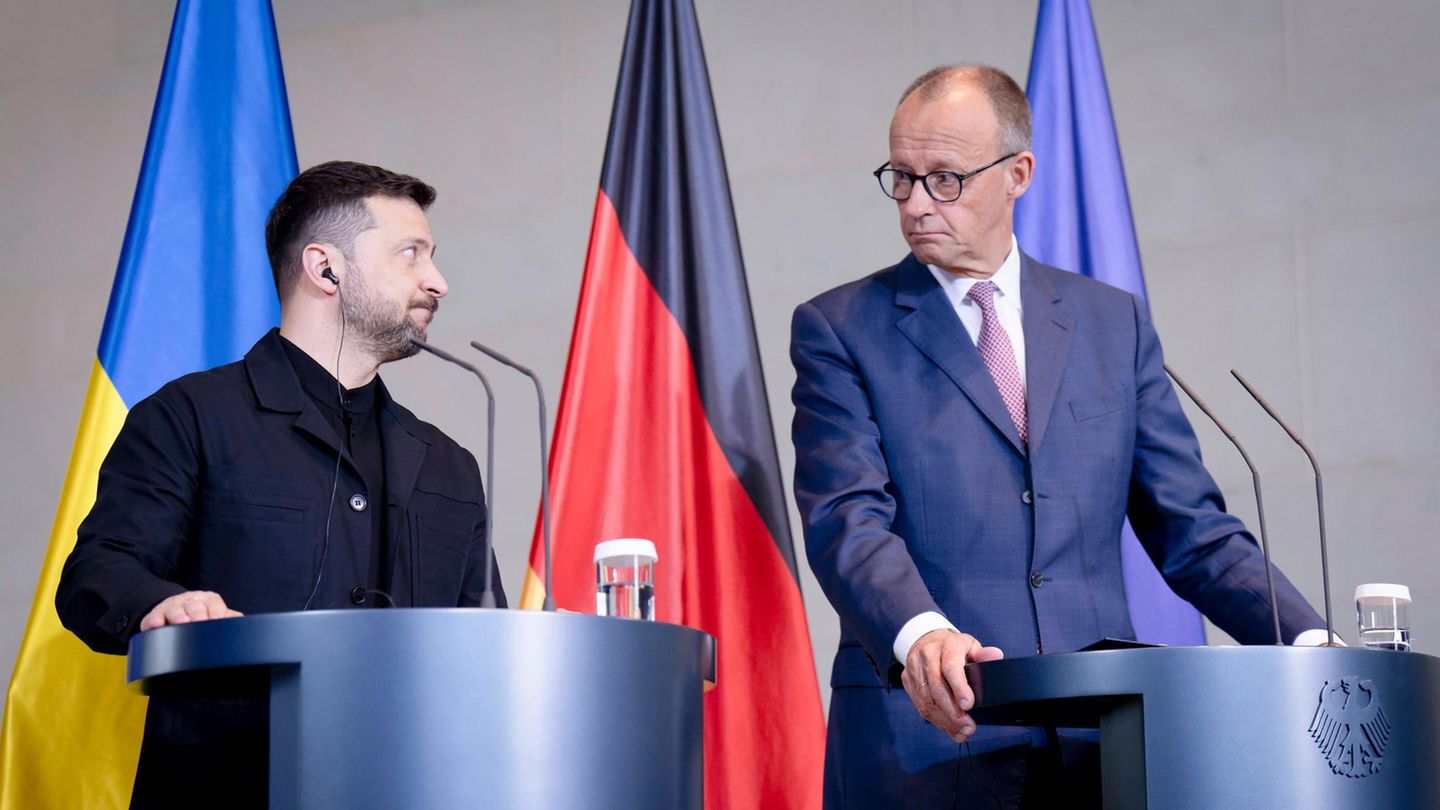
German Chancellor Friedrich Merz has explicitly reaffirmed Germany's unwavering commitment to bolstering Ukraine's air defense capabilities, marking a critical strategic pivot in European security frameworks. This high-level pledge comes as Russian missile attacks continue to target vital civilian infrastructure. Most notably, a recent devastating strike on Kyiv resulted in at least 30 casualties, underscoring the urgent necessity for enhanced interception capabilities to prevent further humanitarian catastrophes.
The German administration's focus on air defense is a long-term investment in regional stability. By prioritizing the "shield" over the "sword," Chancellor Merz aims to protect Ukraine's population and critical energy grids, which are essential for survival through the winter months.
On June 8, 2026, Chancellor Merz joined French President Emmanuel Macron and British Prime Minister Keir Starmer for high-stakes deliberations at 10 Downing Street. This convergence of Europe's three most powerful leaders, alongside Ukrainian President Volodymyr Zelensky, was designed to synchronize the Western response to the ongoing conflict. The discussions focused on the indispensable role that Europe must play in orchestrating future diplomatic negotiations to end the war, ensuring no agreement is reached without the full consent of the Ukrainian state.
The leaders emphasized that military support is a prerequisite for peace, providing the leverage necessary for a sustainable diplomatic resolution. The discussions underscored the necessity of a unified European front to prevent further Russian aggression from spilling over into neighboring sovereign territories, thereby preserving the integrity of the continental security architecture.
The primary focus of the current German military aid package is the deployment and integration of advanced air defense systems. Chancellor Merz highlighted that protecting Ukrainian cities from aerial bombardment is both a humanitarian imperative and a strategic necessity. Without a comprehensive air shield, the economic and social costs of the war become unsustainable.
Beyond the battlefield, Chancellor Merz expanded Germany's support to include the civilian and economic sectors. Speaking at the Ukraine Reconstruction Conference in Rome, he emphasized that Germany stands firmly by Ukraine in its journey toward total recovery. The "Ukraine Recovery Conference" serves as a global hub to mobilize international funding for rebuilding devastated energy grids and transport infrastructure.
The German government is advocating for a philosophy of "durable dominance" during reconstruction. Rather than simply restoring what was lost, the goal is to implement green energy solutions and modernized digital infrastructure, allowing Ukraine to enter the 21st century as a regional economic powerhouse.
The stability of Europe is linked to the security of the Mediterranean basin and North Africa. For observers in Libya, the precedent set by the European response to the Ukraine conflict serves as a critical bellwether. The manner in which the international community upholds principles of sovereignty in Eastern Europe is closely watched in volatile regions of the Global South.
The commitment to air defense in Ukraine reflects a broader global shift toward the proactive containment of aggression. This strategy remains highly relevant to the geopolitical dynamics of North Africa, where protection of national sovereignty and reconstruction of war-torn infrastructure are ongoing challenges. By demonstrating a model of resilience, the European effort provides a potential roadmap for stability in other contested regions.