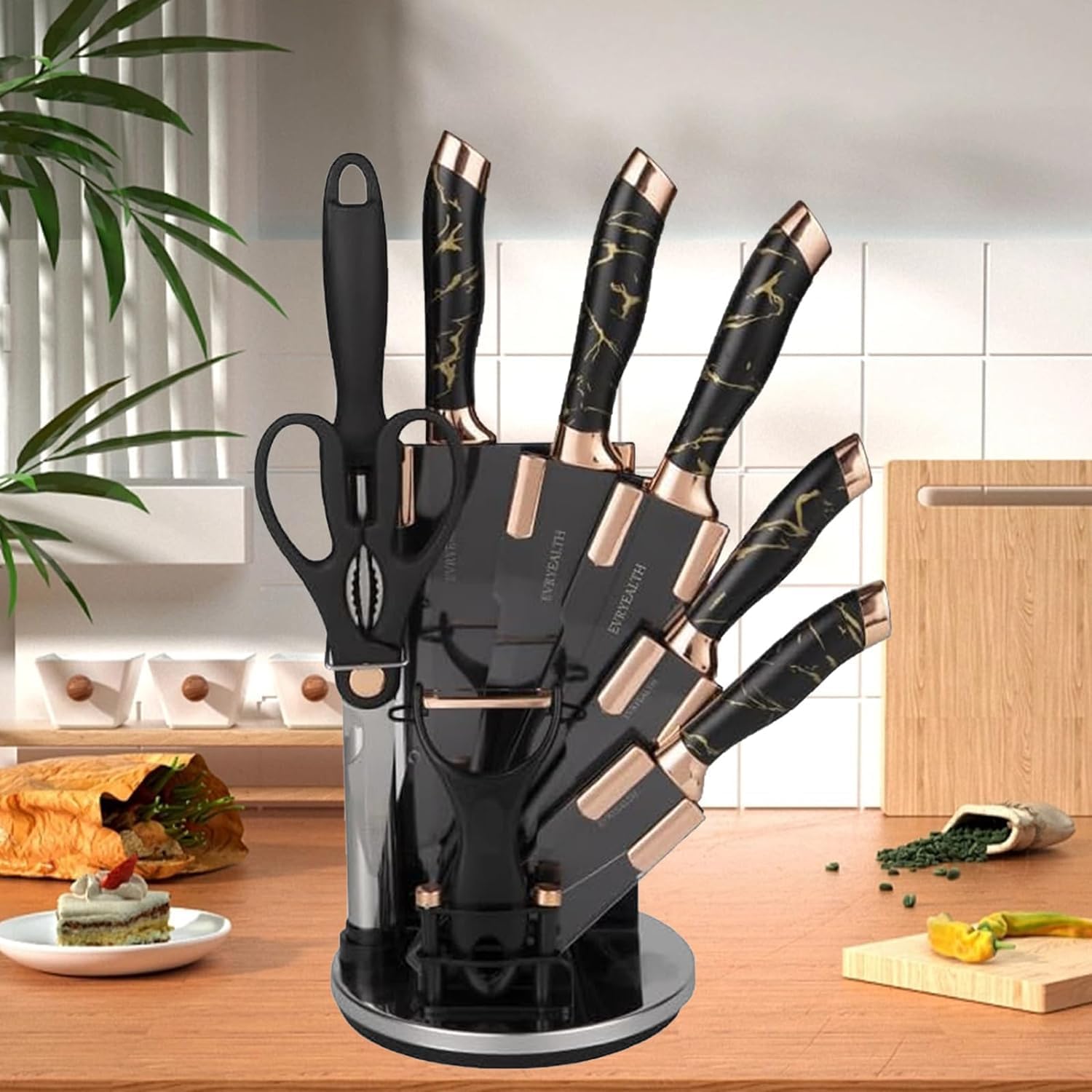
سكاكين الطبخ
وفر 19%! اشترِ سكاكين الطبخ بسعر 274.56 د.ل فقط في ليبيا. متوفر حالياً، الدفع عن
🛒 تسوق الآن Libya Press
The global beauty and personal care market is projected to surpass $625 billion by the end of 2026, driven by a wave of international trends that are fundamentally reshaping how consumers approach skincare, makeup, and wellness. According to Mintel's latest 2026 Global Beauty & Personal Care Predictions report, the industry is moving beyond seasonal fads to embrace long-term themes that will shape consumer behavior through 2030 and beyond. From Seoul's skin-first philosophy to Brazil's bold color revolution, beauty has officially gone global — and the ripple effects are reaching every corner of the world, including North Africa.
NielsenIQ (NIQ) reported in February 2026 that digital growth and artificial intelligence innovation are now central forces defining the next chapter of beauty. The research firm found that 68% of global beauty consumers now research products online before purchasing, while AI-powered skin analysis tools have seen a 340% increase in adoption since 2024. These shifts are not merely technological — they represent a fundamental change in how people relate to beauty itself.
The beauty landscape in 2026 is defined by a convergence of science, culture, and digital innovation. The Glitz Media identified several international trends that are taking over this year, each rooted in a specific regional tradition that has gone global:
Industry analysts emphasize that these trends reflect deeper cultural shifts rather than superficial changes. "We are witnessing a fundamental redefinition of what beauty means," said Alexandra Roberts, Senior Beauty Analyst at Mintel. "Consumers in 2026 are not just buying products — they are investing in identity, wellness, and self-expression. The brands that understand this emotional dimension will lead the next decade."
Roberts further noted that the post-pandemic emphasis on mental health and self-care has permanently elevated beauty from a vanity category to a wellness essential. "The data is clear: 74% of consumers now view their skincare routine as a form of self-care, not just aesthetics. This is a generational shift that will define the industry through 2030."
For Libyan consumers, these global trends present both opportunities and practical considerations. The North African climate — characterized by intense sun, dry air, and desert conditions — makes several of the 2026 trends particularly relevant. The K-beauty emphasis on hydration and SPF protection aligns directly with skincare needs in Libya's harsh environment, where UV exposure is among the highest in the Mediterranean region.
Libyan beauty enthusiasts are increasingly accessing these international products through e-commerce platforms and social media marketplaces. Instagram and TikTok have become primary discovery channels, with Libyan beauty influencers gaining followings by adapting global trends to local skin types and cultural preferences. The African botanical revival is especially resonant, as ingredients like argan oil and henna have deep roots in Libyan and North African beauty traditions.
Local entrepreneurs are also capitalizing on this convergence. Several Libyan-owned beauty brands have launched in 2025 and 2026, combining traditional North African ingredients with modern formulations inspired by K-beauty and Japanese minimalism. This emerging sector represents a growing economic opportunity for women-led businesses in Libya.
NIQ's 2026 report highlights that digital channels now account for 35% of all beauty sales globally, up from just 18% in 2022. This acceleration is reshaping how brands connect with consumers. Virtual try-on tools, AI skin diagnostics, and influencer-driven content have become the primary drivers of purchase decisions, particularly among consumers aged 18 to 34.
In the Middle East and North Africa region specifically, beauty e-commerce grew by 47% in 2025, according to industry data. Mobile-first shopping experiences and Arabic-language beauty content are fueling this growth, making international trends more accessible than ever to consumers across the Arab world.
The beauty industry's trajectory points toward an increasingly personalized, inclusive, and wellness-integrated future. Mintel's predictions through 2030 emphasize sustainability, biotechnology-derived ingredients, and hyper-personalization as the three pillars that will define the next era. For consumers in Libya and across North Africa, this means greater access to products designed for diverse skin tones, climates, and cultural preferences.
The global beauty glow-up of 2026 is not a passing trend — it is a structural transformation. Whether you are exploring K-beauty serums, experimenting with Brazilian color palettes, or rediscovering traditional North African botanicals, the message is clear: beauty in 2026 is about authenticity, science, and celebrating the diversity of how people around the world express themselves.
— LibyaPress / Women's Desk