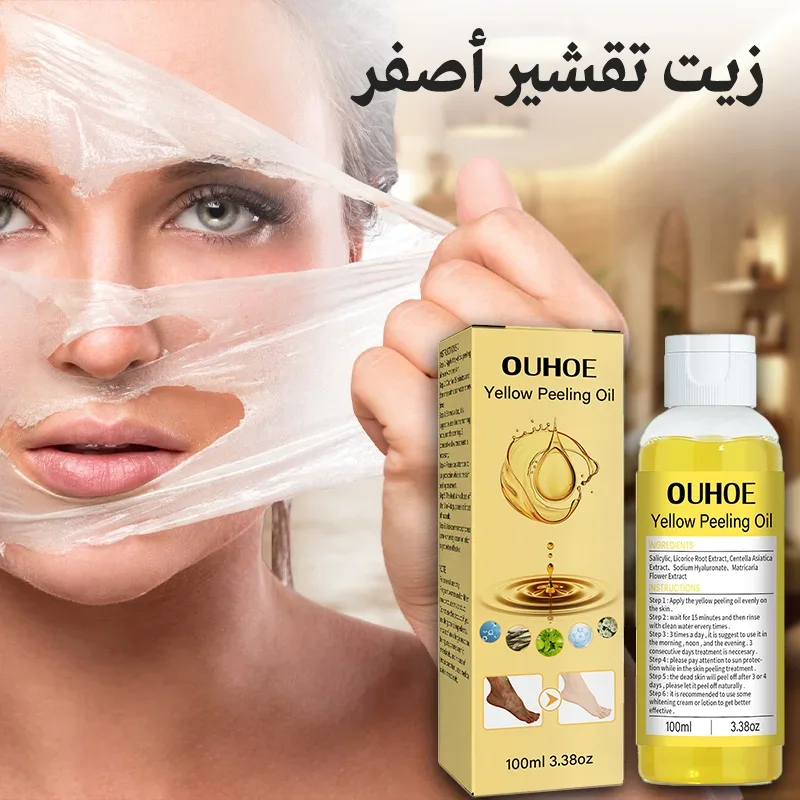
زيت تقشير الوجه واليدين
وفر 32%! اشترِ زيت تقشير الوجه واليدين بسعر 162.24 د.ل فقط في ليبيا. متوفر حاليا
🛒 تسوق الآن Libya Press
The international beauty industry is undergoing its most dramatic transformation in decades. According to Mintel's 2026 Global Beauty & Personal Care Predictions report, the sector is projected to exceed $625 billion in global revenue by 2030, driven by AI-powered personalization, skin-first philosophies, and a new wave of intentional consumers demanding transparency. From Seoul's innovative skincare laboratories to São Paulo's bold makeup artistry, beauty in 2026 is no longer defined by a single standard — it is a mosaic of international influences reshaping how billions of people approach self-expression and wellness.
NielsenIQ's February 2026 report confirms that digital growth and artificial intelligence innovation are the twin engines powering this shift. E-commerce beauty sales grew 23% year-over-year, while AI-driven product recommendation tools now influence over 40% of online beauty purchases worldwide. The message is clear: technology and tradition are converging to create a beauty landscape that is more inclusive, more scientific, and more culturally diverse than ever before.
Cris Gordon, beauty industry analyst and contributor to Beauty Bytes, emphasized the cultural shift driving these trends. "What we are seeing in 2026 is not just a trend cycle — it is a fundamental reimagining of what beauty means," Gordon stated. "Consumers are no longer passive recipients of marketing. They are informed, global, and they demand products that reflect their values, their heritage, and their individuality. The brands that understand this will thrive; those that do not will disappear."
Mintel's research team echoed this sentiment in their 2026 predictions report, noting that traditional beauty industry boundaries are dissolving. "In a world of constant change, traditional beauty categories are being replaced by fluid, cross-cultural experiences," the report stated. "The next five years will belong to brands that can authentically connect with diverse communities while maintaining scientific credibility."
For Libyan women, these global beauty trends represent both opportunity and cultural relevance. The African botanical renaissance directly connects to Libya's rich heritage of natural beauty ingredients — from olive oil-based skincare traditions in coastal cities to desert-sourced botanicals used for generations in southern regions. As international demand for North African ingredients grows, Libyan entrepreneurs and small businesses have a unique opportunity to participate in this expanding global market.
The modest beauty movement is particularly significant. With the global halal beauty market projected to reach $390 billion, Libyan consumers now have access to a wider range of products that align with cultural and religious values without compromising on quality or innovation. International brands are increasingly formulating products suited to North Africa's climate — addressing concerns like sun protection, hydration in arid conditions, and skin sensitivity caused by desert environments.
Furthermore, the rise of e-commerce and AI-powered beauty tools means Libyan women can access personalized skincare recommendations and international products more easily than ever, even in areas with limited retail infrastructure. Digital beauty platforms are expanding Arabic-language support, making these tools more accessible across the region.
As 2026 unfolds, the beauty industry is proving that self-expression knows no borders. The convergence of Korean innovation, African botanicals, Latin American artistry, and Middle Eastern traditions is creating a truly global beauty culture — one that celebrates diversity rather than erasing it. For consumers worldwide, and for Libyan women in particular, this means more choices, better products, and a beauty landscape that finally reflects the richness of human experience.
The future of beauty is not about following a single trend — it is about finding what works for you, wherever you are in the world. And that is a revolution worth celebrating.
— LibyaPress / Women Desk