
مكنسة شفط الغبار الاحترافية
وفر 25%! اشترِ مكنسة شفط الغبار الاحترافية بسعر 369 د.ل فقط في ليبيا. متوفر حالي
🛒 تسوق الآن Libya Press
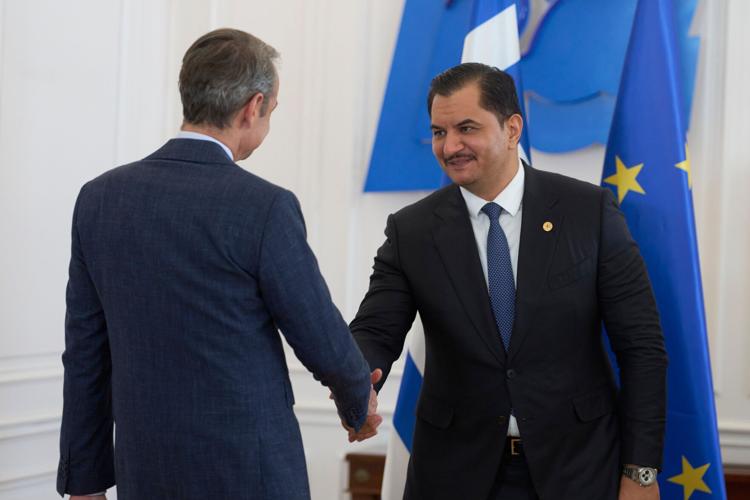
Greece's Migration Minister Thanos Plevris on Monday called criticism from human rights organizations a "badge of honor" and pledged to further tighten what he described as "the toughest — if not the toughest — in Europe" migration policies. The defiant remarks came as Greek authorities reported a more than 20% increase in migrant arrivals on the island of Crete from eastern Libya, with 5,500 interceptions recorded through May 2026 compared to the same period last year.
Speaking to private broadcaster Action 24, Plevris pushed back against international scrutiny with unusually blunt language. "Let me tell you something: the days when bureaucrats from Brussels or the United Nations could just show up and dictate how Greece handles the migration crisis are over," he declared. "Every time U.N. envoys express concern over my legislation, it makes me proud of that legislation. The more Amnesty International, the U.N. high commissioner for refugees or U.N. envoys are irritated by our migration policy, the more I view it as a badge of honor."
The comments signal a deepening rift between Greece's conservative government and international rights bodies, as the EU approved tougher migration measures last week despite an overall decline in crossings.
The migration crisis is inseparable from Libya's ongoing instability as the country has become the largest transit hub for migrants seeking to reach Europe. Trafficking networks have flourished for over a decade, exploiting divided governance and porous borders with six neighboring nations.
Analyst Jalel Harchaoui, who specializes in Libyan politics and security, noted that eastern Libya is actively seeking closer diplomatic ties with European countries and financial assistance. Greece is responding by offering coast guard training, employment programs, and investment initiatives to eastern Libyan authorities — a strategy aimed at curbing departures at their source.
Greece is also in EU talks with African nations about establishing centers on the continent for rejected asylum seekers — a proposal that has drawn sharp criticism from rights groups.
Behind the political rhetoric, thousands of migrants risk dangerous Mediterranean crossings each month. The International Organization for Migration has repeatedly documented deaths at sea along the Central Mediterranean route. Rights organizations argue that deterrence-only policies push migrants toward more dangerous routes and empower smuggling networks.
"The focus should be on safe pathways and addressing root causes, not on who can build the tallest wall," a spokesperson for Amnesty International said in response to the EU's latest measures.
The coming weeks will test whether Greece's cooperation strategy with eastern Libya produces results. If arrivals off Crete continue to climb, pressure will mount on both Athens and Brussels to adopt even more restrictive measures. Meanwhile, the diplomatic engagement between Greece and eastern Libyan commander Saddam Hifter's faction suggests Europe is willing to work directly with Libyan power brokers — bypassing the UN-recognized Government of National Unity in Tripoli — to secure its borders.
For Libya, the migration issue remains both a humanitarian challenge and a geopolitical bargaining chip. How European and Libyan authorities navigate this cooperation will shape the future of Mediterranean migration for years to come.
— LibyaPress / Politics Desk