
أداة تنظيف الصرف
وفر 22%! اشترِ أداة تنظيف الصرف بسعر 219 د.ل فقط في ليبيا. متوفر حالياً، الدفع ع
🛒 تسوق الآن Libya Press
More than 25 million children in the United States rely on school meal programs every day. Districts from California to Maine are now overhauling menus to serve halal-certified meals, vegan options, and culturally inclusive food — a shift reflecting the growing diversity of American classrooms. State lawmakers advanced at least 13 new bills on student nutrition in 2026 alone.
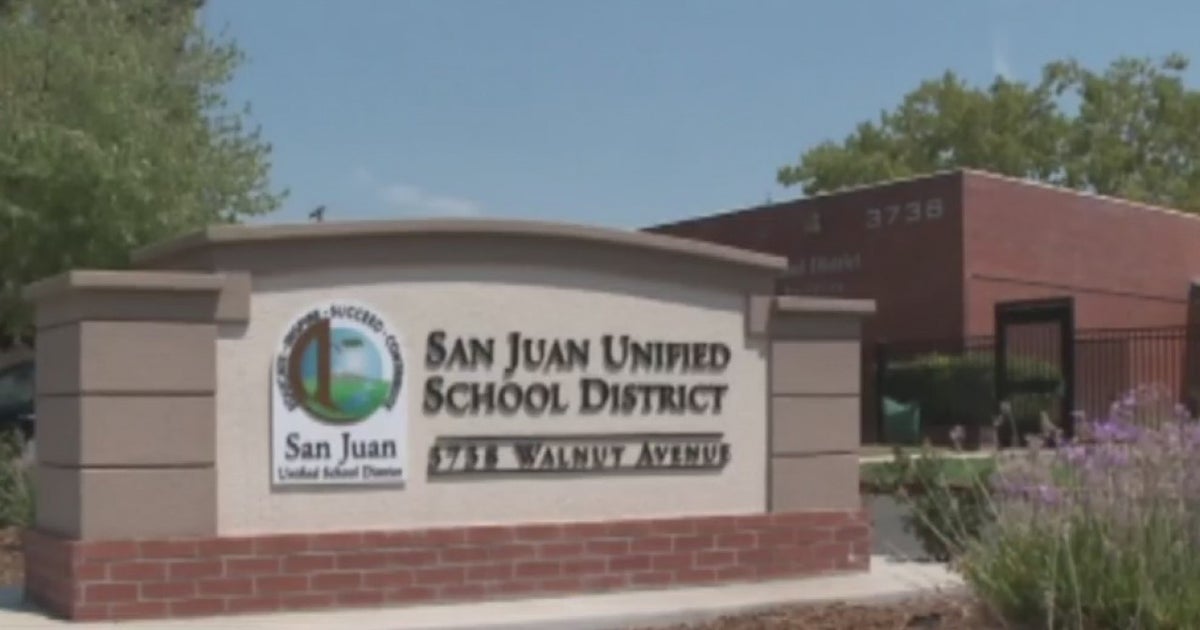
The San Juan Unified School District in Carmichael, California, has become a model for inclusive meal planning. The district now offers a halal-certified bean and cheese burrito at all school sites, alongside vegan options that meet diverse dietary needs without forcing students to choose between their beliefs and a hot meal.
In October 2026, the district expanded the pilot to three additional school sites: Starr King K-8, Dyer-Kelly Elementary School, and a third participating campus. The goal is to test whether scaled halal offerings can be delivered within existing budget constraints — a critical question for districts with growing Muslim populations across the country.
For mothers, school meal programs are not just a convenience — they are a lifeline. When a district offers halal or culturally appropriate food, it signals that a family's identity is respected. Glynn Thompson, a parent advocate serving on district advisory committees in underserved communities, puts it simply: "When my child can eat at school without me worrying about what's in the food, that's one less battle I fight every single day."
The World Food Programme supports school meal initiatives in over 70 countries, ensuring that children — especially girls, who are often the first pulled from school during food shortages — receive the nutrition they need. Research shows that well-fed students perform 20% better on standardized tests and are significantly more likely to complete their education.
Libya faces its own school nutrition challenges. Years of conflict have disrupted food supply chains and strained public services including school feeding programs. The Libyan Ministry of Education has partnered with international organizations like the WFP to provide meals in some areas, but coverage remains inconsistent — particularly in rural and eastern regions.
The approaches being tested in American districts offer a practical blueprint. Community food banks, mobile family resource centers, and halal-certified meal programs are not luxuries — they keep children in classrooms. San Juan Unified's Community Care Hub model, which distributes free food boxes, diapers, and learning materials at school sites, could be adapted for Libyan communities where mothers often bear the burden of food insecurity.
Mother-led advisory committees shaped menu changes, and women nutritionists designed the meal plans — proof that investing in women's voices in food policy benefits the entire community.
From halal burritos in California to free universal meals in Maine, the direction is clear: every child deserves a meal that respects their identity and fuels their potential.
For Libyan communities rebuilding after years of instability, school meal programs designed with cultural sensitivity and women's input build trust in public institutions, keep girls in school, and create a foundation for lasting food security.
— LibyaPress / Women Desk