
وسادة تجفيف الأطباق للمطبخ
وفر 27%! اشترِ وسادة تجفيف الأطباق للمطبخ بسعر 180.48 د.ل فقط في ليبيا. متوفر حا
🛒 تسوق الآن Libya Press
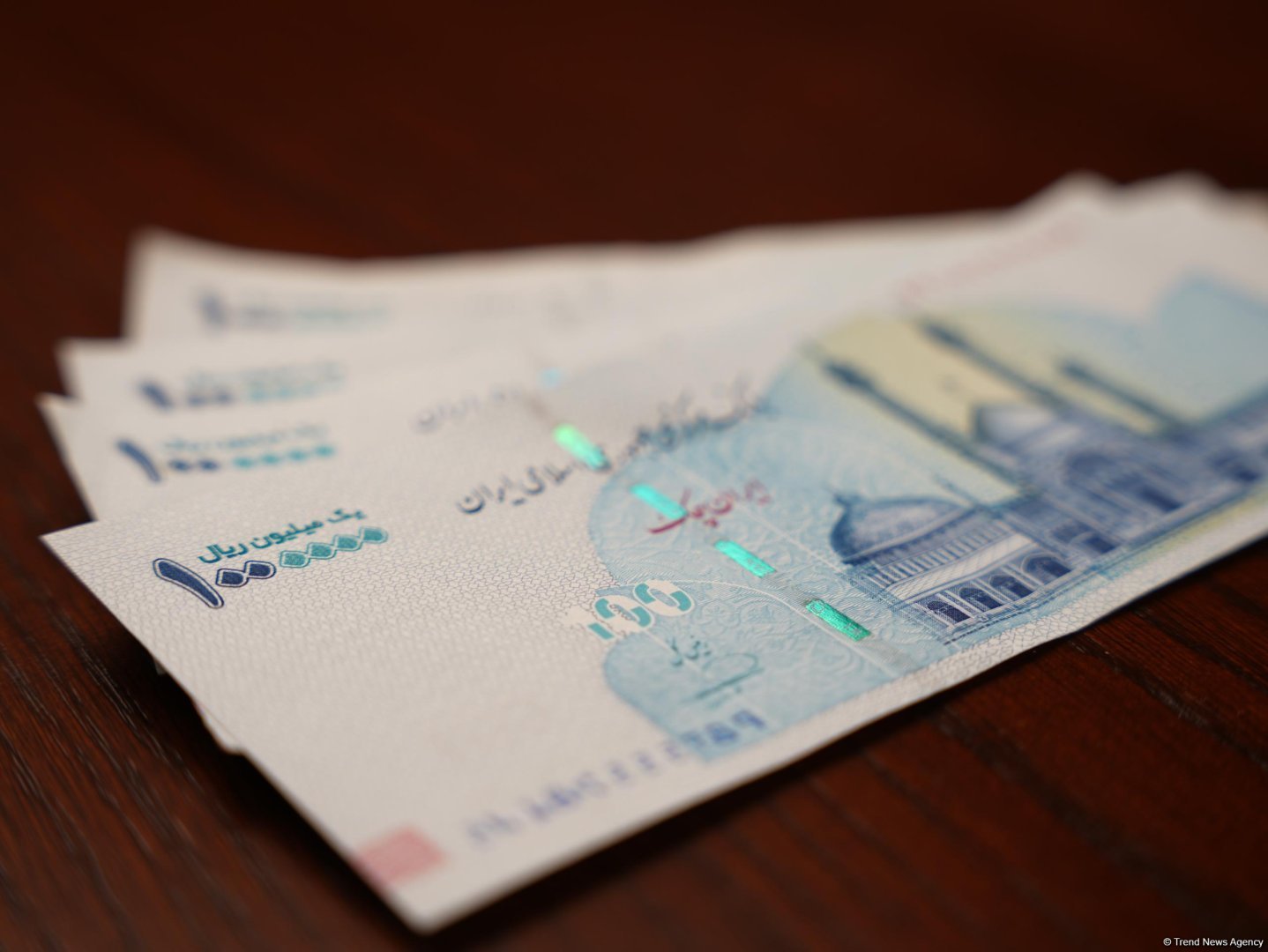
The Central Bank of Iran released the official currency exchange rates for June 21, 2026, setting the US dollar at 1,299,966 rials and the euro at 1,490,197 rials, according to data published by Trend.Az. The latest figures reflect continued volatility in Iran's foreign exchange market, as the rial has experienced steady depreciation amid tightening international sanctions and mounting inflation pressures across the Iranian economy.
The release of daily exchange rates by the Central Bank serves as the benchmark for official transactions, though the open market rates often diverge significantly from government-set levels. Analysts note that the gap between the official and black-market rates remains a critical indicator of economic stress in Iran, with ordinary citizens bearing the brunt of rising import costs and shrinking purchasing power.
The currency data from the past week paints a clear picture of the rial's trajectory. On June 16, the official rate for one US dollar stood at 1,344,647 rials, while the euro was valued at 1,559,627 rials, according to Trend.Az. By June 18, the dollar had strengthened to 1,301,210 rials and the euro to 1,508,497 rials. Just one day earlier on June 17, the euro was priced at 1,525,381 rials, indicating sharp daily fluctuations.
On June 20, the official rate for one dollar was recorded at 1,299,966 rials, with the euro at 1,490,197 rials. The June 21 figures confirm that the rial has largely stabilized around the 1.3-million-rial-per-dollar mark in recent days, though economists warn that this apparent stability may be the result of Central Bank intervention rather than genuine market confidence.
Iranian economic analysts say the daily rate releases only tell part of the story. The real challenge lies in the structural imbalances within Iran's economy, including a bloated public sector, declining oil revenues due to sanctions, and an inflation rate that many independent estimates place above 40 percent annually. The Central Bank's ability to manage the exchange rate through direct intervention is increasingly questioned by market observers.
"The official rate is a managed rate, not a market rate," said Farhad Alavi, a Tehran-based economic researcher. "What matters for ordinary Iranians is the price of bread, rent, and medicine — and those prices are driven by the open market, not the Central Bank's daily bulletin." The disconnect between official figures and ground-level economic reality remains one of the most pressing concerns for Iran's 88 million citizens.
For Libya and the broader North African region, Iran's currency instability carries significant implications. Libya's own economy has faced parallel challenges with currency fragmentation, as the Libyan dinar has been subject to competing exchange rates between eastern and western institutions. The experience of Iran offers a cautionary tale about the long-term effects of sanctions, institutional division, and loss of public confidence in monetary policy.
Trade relationships between Iran and several North African countries, while limited by sanctions, still operate through informal channels. Libyan businesses engaged in regional import-export activity monitor Iranian currency trends closely, as fluctuations can affect the pricing of goods that reach Libyan markets through intermediary networks. Additionally, the economic pressures in Iran have implications for migration patterns and regional security dynamics that directly affect Libya's stability.
Market participants will be watching whether the Central Bank can maintain the rial around the 1.3-million-per-dollar level or whether further depreciation is inevitable. Key factors include the trajectory of international sanctions, Iran's oil export volumes, and any developments in diplomatic negotiations. For the Iranian public, the hope remains that economic reforms and potential sanctions relief could restore some stability to the currency and improve living conditions.
As Iran navigates one of the most challenging economic periods in its modern history, the daily exchange rate releases serve as a barometer not just for the rial, but for the broader health of an economy under extraordinary pressure. The coming weeks will be critical in determining whether stabilization efforts can hold or whether further turbulence lies ahead.
— LibyaPress / Economy Desk