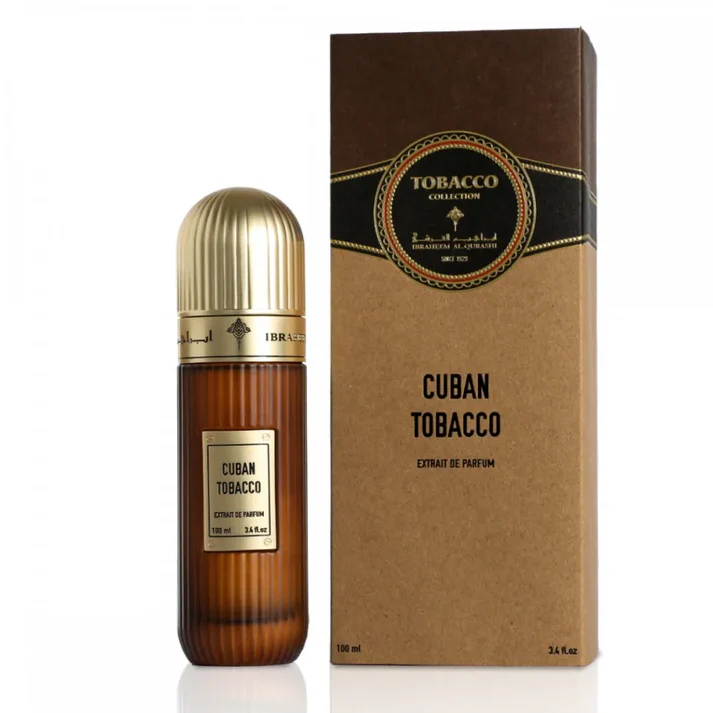
عطر التبغ العربي 100 مل
وفر 46%! اشترِ عطر التبغ العربي 100 مل بسعر 213.89 د.ل فقط في ليبيا. متوفر حاليا
🛒 تسوق الآن Libya Press
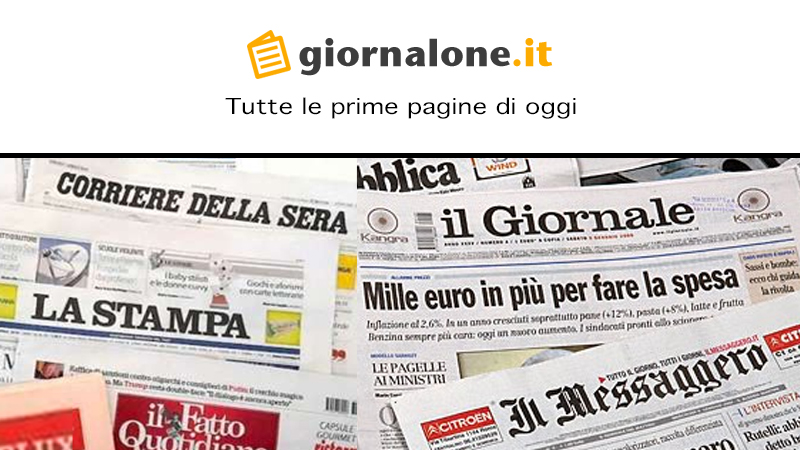
Italian national newspapers hit newsstands this morning with a mix of high-stakes political speculation and raw images of civil unrest. The front pages of Corriere della Sera, La Repubblica, La Stampa, Il Sole 24 Ore, Il Giornale, and other major dailies converge on two dominant narratives: Senate President Ignazio La Russa's prediction that Prime Minister Giorgia Meloni could one day become President of the Republic, and the heavy toll from Saturday's No-Tav protests in Val di Susa.
Senate President Ignazio La Russa set the political agenda this weekend with a striking statement: "Meloni at the Quirinale would be a great fortune for Italy." Speaking to multiple news outlets including ANSA and La Repubblica, La Russa said he believes Meloni will eventually become President of the Republic — though perhaps not immediately after Sergio Mattarella's term ends.
"She will become president, maybe not this time but the next," La Russa stated. "It's a wish and a recognition of her abilities. It would be a great good for Italy, after Mattarella." The comments amplify a broader discussion within the centre-right about breaking what Meloni has called the "Quirinale taboo" — the unwritten convention that Italy's head of state has traditionally come from the left or centre.
Meloni herself had fired the starting gun on this conversation a month ago, openly questioning why a centre-right figure could not ascend to the Colle. While La Russa's remarks stop short of a formal candidacy push, political analysts note that they represent a serious shift in the Overton window of Italian presidential politics. Several newspapers lead their political coverage with the question: "Meloni al Colle?" — the headline splashed across multiple front pages today.
Saturday's clashes in Val di Susa have left a deep scar. According to official sources, 124 law enforcement officers — including Carabinieri, Polizia di Stato, and Guardia di Finanza personnel — were injured during violent confrontations with No-Tav protesters at the San Didero and Chiomonte construction sites. The toll, initially reported at around 60, doubled overnight as more cases were documented.
Authorities have identified approximately 450 individuals involved in the violence, some of whom are believed to have travelled from France and Belgium specifically to join the protests. The attack involved hundreds of masked activists who breached the high-speed railway construction sites, setting fire to two Carabinieri vehicles and heavily damaging machinery. Prosecutors in Turin have opened an investigation into the assault.
Interior Minister Matteo Piantedosi condemned the violence in strong terms, telling Il Corriere della Sera that the attackers "wanted a casualty" — a reference to the intensity and organisation of the assault. The government is expected to hold a security briefing later today to assess further measures.
Beyond the two lead stories, Italian dailies also cover a range of topics. Il Sole 24 Ore leads with economic analysis of the government's autumn budget planning, while La Gazzetta dello Sport opens with the latest on the Serie A summer transfer market. Il Manifesto dedicates its front page to the No-Tav protests with a critical perspective on police tactics, while Avvenire highlights a Vatican initiative on youth engagement.
The international pages follow the continuing conflict in Ukraine, with La Stampa carrying a detailed analysis of European Union energy security strategy. Il Messaggero focuses on local government reforms in Lazio, while Libero takes a sharp editorial stance on immigration policy.
Monday's papers collectively paint a picture of a country grappling with political evolution and internal tension — the prospect of a shift in the highest office of state on one hand, and the raw reality of social conflict on the other. Italian journalism, as always, captures both with unfiltered clarity.
— Libya Press / News Desk