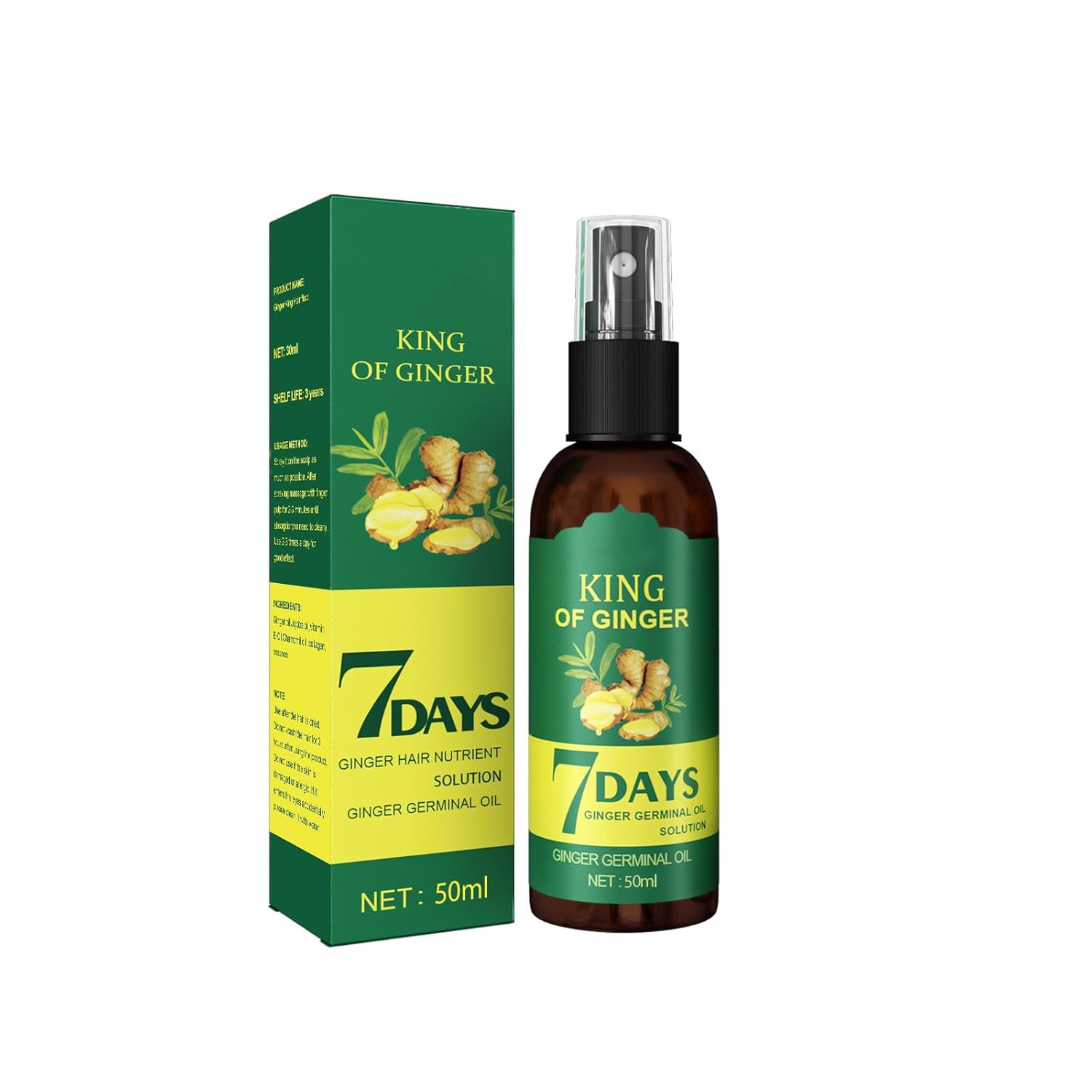
سيروم الزنجبيل لنمو الشعر
وفر 38%! اشترِ سيروم الزنجبيل لنمو الشعر بسعر 166.08 د.ل فقط في ليبيا. متوفر حال
🛒 تسوق الآن Libya Press
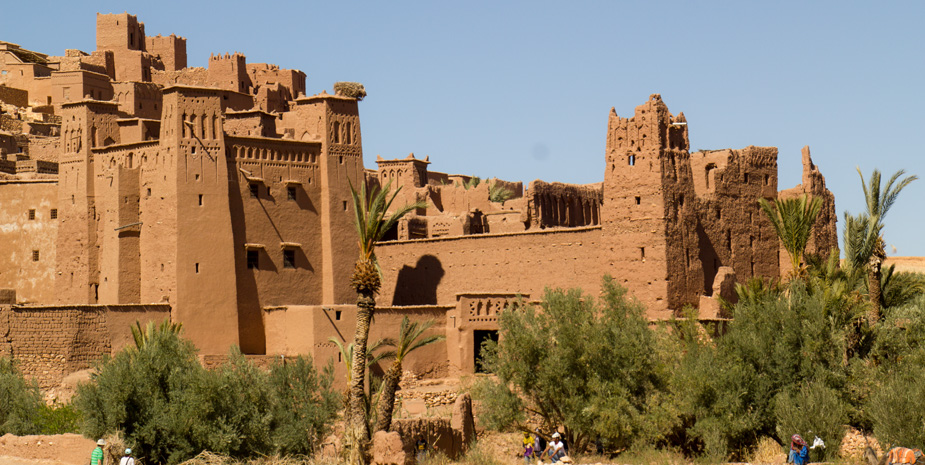
Deep in the valley of Ounila River, near Ouarzazate in southern Morocco, lies one of the most extraordinary accommodations in North Africa. Kasbah Tebi is a restored 17th-century Berber fortress (ksar) that invites travelers to sleep inside history itself. Listed as a UNESCO World Heritage site, Aït Benhaddou has captivated filmmakers, historians, and wanderers alike — and Kasbah Tebi offers the rare chance to call it home for a night.
Unlike modern hotels built on the outskirts, Kasbah Tebi sits within the ancient ksar walls, surrounded by the same clay and straw architecture that has stood for four centuries. The building retains its original structure: thick earthen walls that keep rooms cool in summer and warm in winter, traditional Berber carpets, hand-carved wooden ceilings, and courtyards open to the sky. Guests sleep in rooms that have sheltered families for generations, with views of the desert valley and the High Atlas Mountains beyond.
The guesthouse blends authenticity with modern comfort. Each room features en-suite bathrooms, traditional furnishings, and authentic decorative details. The rooftop terrace provides panoramic views of the ksar, making it a favorite spot for sunrise tea and sunset photography.
Aït Benhaddou is one of Morocco's most famous fortified villages and has been a UNESCO World Heritage site since 1987. The site consists of earthen buildings crowned by a granary, with defensive walls rising from the hillside. Walking through its narrow alleyways feels like stepping into another century. Several major films and TV series have been shot here, including Gladiator (2000), Game of Thrones, Lawrence of Arabia, Prince of Persia, and The Mummy.
Visitors can explore the old granary at the top of the hill for a small fee, offering sweeping views across the valley. The ksar is best experienced early morning or late afternoon, when the sun turns the clay walls into shades of amber and gold. Local guides provide context on the history, architecture, and daily life of families inhabiting parts of the ksar.
Kasbah Tebi is run by a local Berber family who take pride in sharing their traditions with guests. The guesthouse offers cooking lessons where guests learn to prepare traditional Moroccan dishes such as tagine and couscous using age-old techniques. The family also offers private lessons in Berber crafts, including weaving, pottery, and the ancestral building methods used to construct the kasbah itself.
For those seeking adventure, Kasbah Tebi organizes guided tours through the Draa Valley and overnight desert camps in the Sahara, including camel treks and stargazing nights. The guesthouse also provides safe parking for travelers by car and can arrange transfers from Ouarzazate airport, approximately 30 kilometers away.
Aït Benhaddou is located about 30 kilometers from Ouarzazate, accessible as a day trip or a stop on the Marrakech to Zagora route. The best time to visit is spring (March to May) and autumn (September to November) when temperatures are mild. Summer temperatures can exceed 40°C, so morning and evening exploration is recommended.
Entry to the ksar is free, though the granary at the top charges a small fee. Kasbah Tebi offers rooms year-round and advance booking is recommended during peak seasons. The guesthouse serves traditional Moroccan breakfast and dinner, with vegetarian options available. Wi-Fi is available in common areas.
Staying at Kasbah Tebi directly supports the preservation of Aït Benhaddou. Tourism revenue helps maintain the ksar's earthen structures, which require constant upkeep against erosion. By choosing to stay within the old ksar, visitors contribute to the local economy and encourage the continued use of ancient building techniques.
Kasbah Tebi represents a model of sustainable tourism that benefits both visitors and the local Berber community — keeping traditions alive while welcoming the world.
— Libya Press / Travel Desk