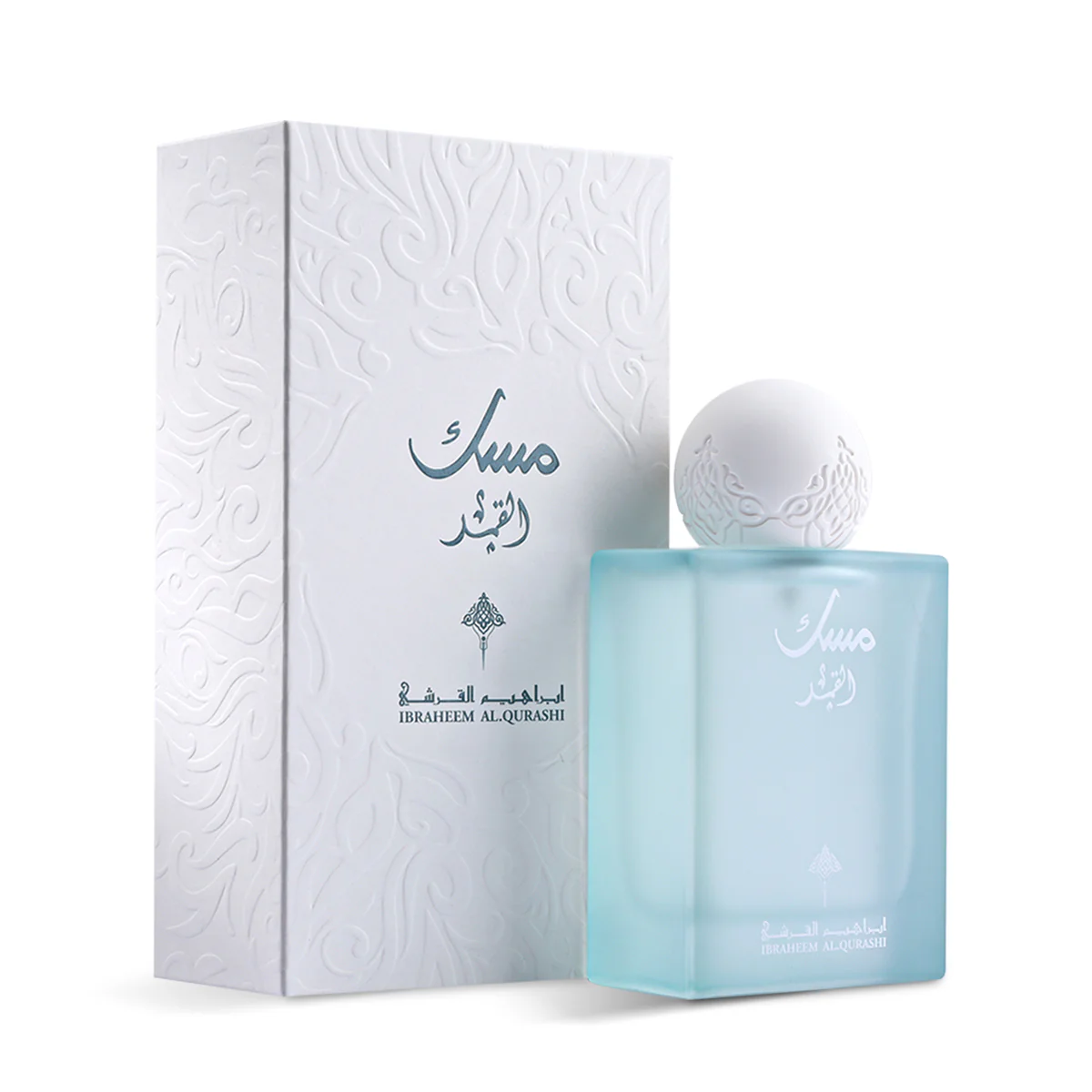
عطر المسك
وفر 25%! اشترِ عطر المسك بسعر 218.5 د.ل فقط في ليبيا. متوفر حالياً، الدفع عند ال
🛒 تسوق الآن Libya Press
The Libyan capital of Tripoli officially launched the "Libya Cultural Season" on Saturday, July 11, 2026, marking the beginning of a significant national cultural initiative that will run through July 14, 2026. Organized by the Ministry of Culture and Scientific Development, this three-day festival brings together prominent writers, artists, and intellectuals in a celebration of Libya's rich cultural heritage.
The cultural season represents one of the most anticipated artistic gatherings of the year, offering a platform for both established and emerging talents to showcase their work. The event's organization reflects the Ministry's commitment to fostering a vibrant cultural ecosystem that connects Libya's diverse communities through shared artistic experiences.
The program features a diverse schedule of activities designed to engage audiences across different age groups. Poetry evenings will feature both contemporary and classical works performed by renowned Libyan poets. Intellectual conferences will address pressing cultural and societal questions facing modern Libya, providing spaces for thoughtful dialogue and debate.
Literary meetings will connect established authors with emerging writers, facilitating mentorship opportunities and knowledge exchange. Historical lectures will explore various aspects of Libya's cultural evolution, helping audiences understand the deep roots of their national identity. These parallel events ensure that every visitor can find programming that resonates with their interests.
According to reports from local media outlets, including Al-Nas Daily, the opening day attracted significant attendance from cultural enthusiasts, students, and professionals across Tripoli. The enthusiastic response demonstrates the public's strong appetite for cultural events that celebrate national heritage while fostering contemporary artistic expression.
The season has drawn participation from a distinguished group of Libyan cultural figures, including acclaimed writers, respected scholars, and accomplished artists. While specific names were not detailed in initial reports, the involvement of prominent intellectuals signals the event's significance in Libya's cultural calendar.
The Ministry's collaboration with recognized cultural institutions has created an environment where artistic voices can be heard without censorship or political interference. This approach reflects the Ministry's vision of a cultural sector that serves the entire Libyan population, regardless of regional, tribal, or political affiliations.
Special attention has been given to including female writers and artists, recognizing the important role women play in preserving and advancing Libya's cultural landscape. The program's inclusive nature demonstrates a commitment to representing the full spectrum of Libyan talent and perspectives.
The Libya Cultural Season emphasizes the connection between traditional cultural practices and contemporary artistic expression. Workshops will teach traditional crafts and storytelling techniques to younger generations, ensuring that ancient wisdom is not lost in the rush of modernization.
At the same time, the festival showcases modern forms of artistic expression, including digital art exhibitions, experimental theater performances, and innovative musical collaborations. This dual focus on preservation and innovation creates a dynamic cultural environment that honors the past while embracing the future.
In a country that has experienced significant political and social challenges, cultural events like the Libya Cultural Season play a crucial role in building national unity and reinforcing shared identity. The festival provides a neutral space where Libyans from different backgrounds can come together to celebrate their common heritage.
The emphasis on both Libyan and Arab participation highlights the region's interconnected cultural heritage. By showcasing the contributions of Arab artists and intellectuals alongside Libyan talent, the season reinforces the idea that culture transcends borders and political divisions. Experts note that such initiatives are essential for post-conflict societies seeking to rebuild social cohesion through shared cultural experiences.
— Libya Press / News Desk