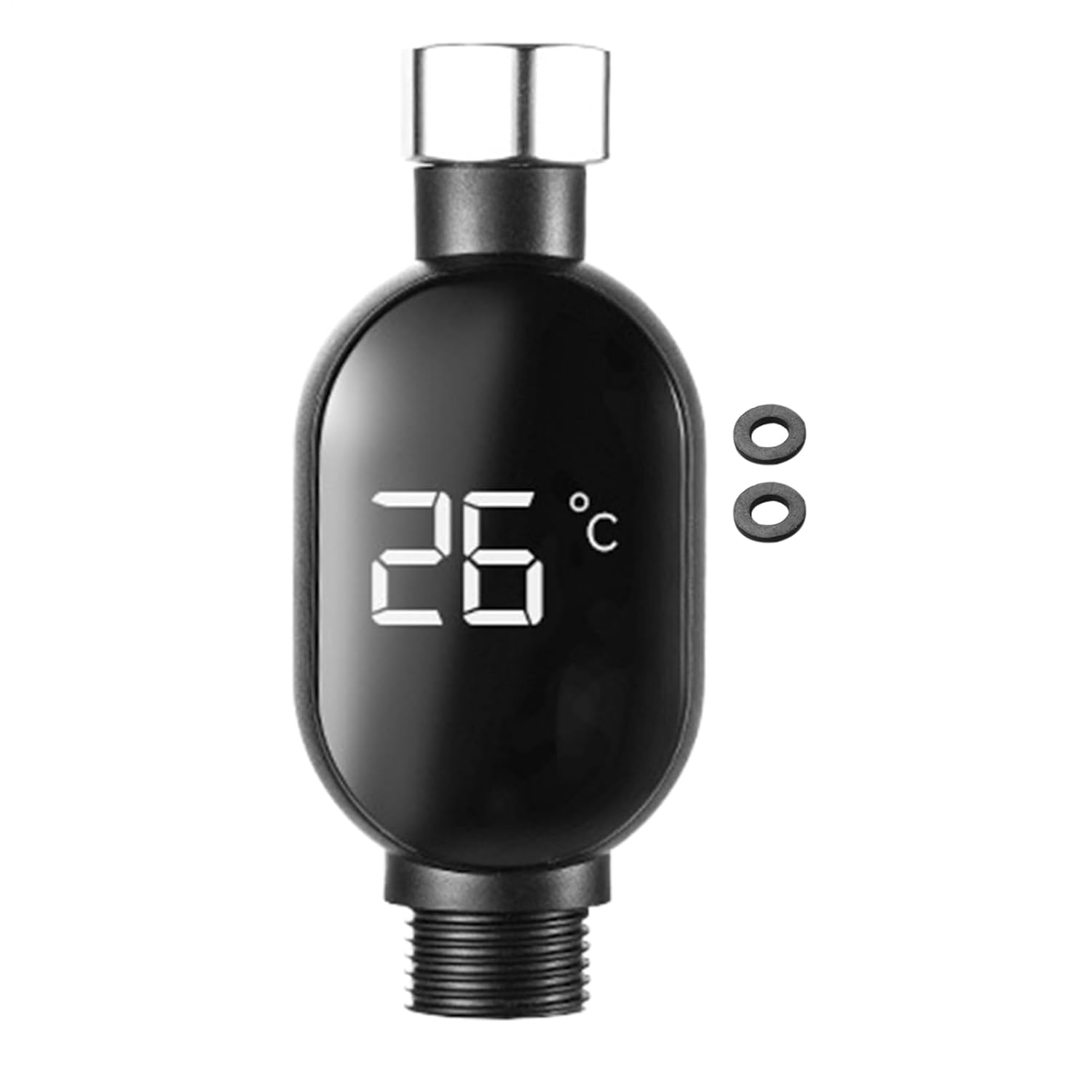
جهاز مراقبة درجة حرارة تدفق المياه
وفر 35%! اشترِ جهاز مراقبة درجة حرارة تدفق المياه بسعر 163.2 د.ل فقط في ليبيا. م
🛒 تسوق الآن Libya Press
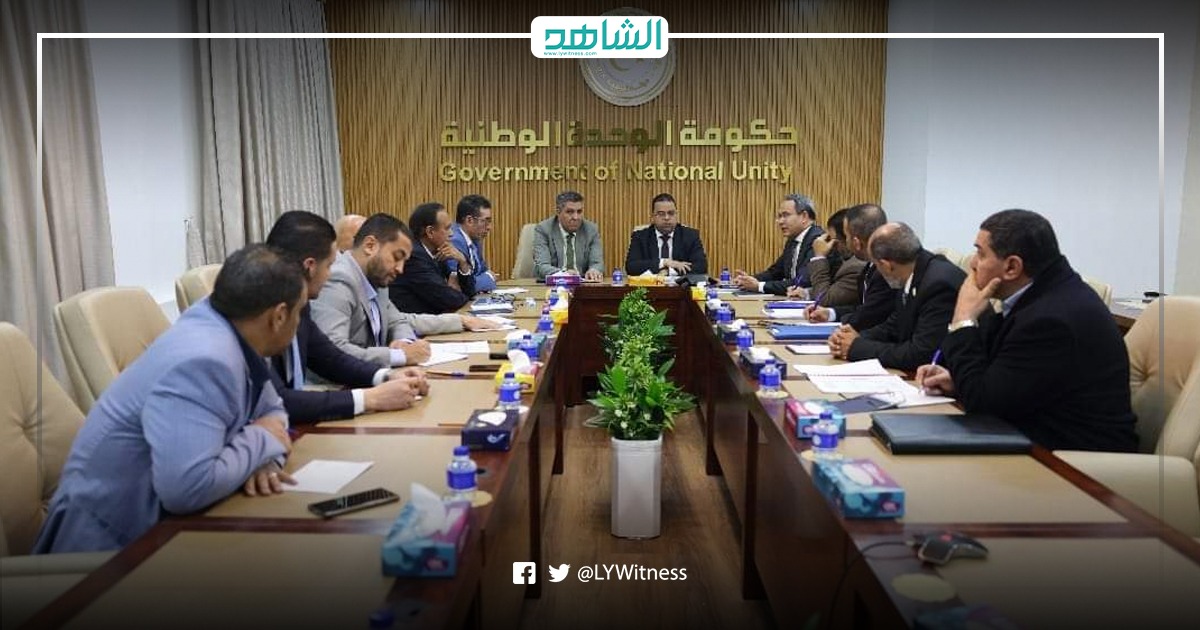
The Libyan Ministry of Civil Service, operating under the Government of National Unity, has approved new administrative and job cadres covering 26 government entities across the country. Minister Abdelmonim Ibrahim Saleh signed the landmark decision, which establishes formal job classifications and staffing structures for a wide range of state bodies, according to official statements published by Al-Mashhad Libya and other local news outlets.
The decision represents one of the most significant administrative restructuring efforts undertaken by the ministry since its formation, affecting institutions across critical sectors of the Libyan state.
The approved cadres cover 26 public entities including ministries, public authorities, regulatory agencies, and other state institutions. Each entity will receive a comprehensive job framework defining the total number of positions, job grades and classifications, qualification requirements for each role, and reporting hierarchies.
The decision applies to government bodies across multiple sectors — from health and education to economic regulation and public services — reflecting a whole-of-government approach to administrative reform rather than piecemeal adjustments.
This latest approval builds on earlier restructuring initiatives by the Civil Service Ministry. In a previous phase, the ministry approved a package of 13 administrative cadres for various public institutions totaling 13,185 positions, as reported by Libya Akhbar. The expansion to 26 entities in this new decision represents a significant scaling up of the reform program.
The sequential nature of these approvals suggests a phased strategy, prioritizing the most critical institutions first before expanding coverage to the broader public sector. Observers note that this gradual approach allows lessons from earlier phases to inform subsequent implementations.
Libya's civil service has long faced criticism for unclear organizational hierarchies, overlapping responsibilities, and inefficient allocation of human resources. The lack of standardized job classifications has contributed to inflated payrolls, political patronage in hiring, and poor service delivery to citizens.
The adoption of structured cadres addresses several deep-rooted issues:
Despite the positive direction of the reforms, significant implementation challenges remain. Effective rollout requires close coordination with the Ministry of Finance to secure adequate budget allocations for the newly approved positions. Without corresponding financial provisions, the new cadres risk remaining theoretical rather than operational.
Libya's fragmented administrative landscape presents another obstacle. Parallel institutions in some regions, particularly in the east and south, may complicate uniform application of the new frameworks nationwide. The ministry must navigate these political and administrative complexities to achieve widespread implementation.
Institutions themselves will also require capacity-building support to transition to the new structures, including training for human resources departments and updated internal procedures.
For ordinary Libyans, the ultimate measure of these administrative reforms will be tangible improvements in government services — from faster permit processing to better-functioning public hospitals, schools, and government offices. If properly implemented, the new frameworks could lead to more accountable civil servants and improved service quality across state institutions.
The Civil Service Ministry has reiterated its commitment to completing the restructuring of all state institutions in phases, positioning this decision as the latest milestone in what is expected to be a multi-year reform process. Additional rounds of cadre approvals for remaining institutions are anticipated, alongside capacity-building programs to support effective implementation at all levels.
— Libya Press / Politics Desk