
صندوق غداء حراري مع حقيبة محمولة
وفر 43%! اشترِ صندوق غداء حراري مع حقيبة محمولة بسعر 222.72 د.ل فقط في ليبيا. مت
🛒 تسوق الآن Libya Press
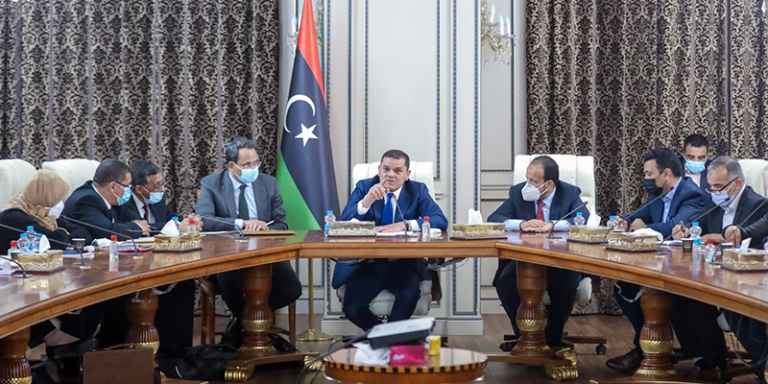
Libya's political landscape witnessed significant developments today as regional and international stakeholders intensified efforts to support the country's transitional phase. Four key diplomatic tracks emerged simultaneously, involving Egypt, Saudi Arabia, Turkey, and the United States, all focused on stabilizing Libya's political path forward. The African Union also welcomed a new roadmap designed to end the transitional period and move toward permanent governance structures.
The latest diplomatic push centered on a high-level meeting bringing together the foreign ministers of Egypt, Saudi Arabia, and Turkey alongside the senior advisor to the U.S. President, Massad Bulls. According to the official Libyan News Agency, developments in Libya formed the core agenda of this quadrilateral consultation. The meeting addressed security challenges, political deadlock, and the international community's role in supporting Libyan institutions. This coordination reflects growing regional consensus that Libya requires a unified international approach rather than competing agendas.
Tunisia's Foreign Minister Hanna Tite renewed his country's firm support for Libya's unity, security, and stability during his latest diplomatic engagement. The statement underscores Tunisia's strategic interest in a stable neighbor and highlights cross-border security concerns that affect both nations. Tunisia has historically played a mediating role in Libyan affairs, hosting multiple rounds of UN-sponsored political dialogue between rival Libyan factions.
The Libyan Embassy in Rome confirmed the release of two Libyan nationals, athlete Tarek Al-Omami and Muhannad Kheshiba, from their places of detention in Italy. The case had attracted widespread attention across Libyan social media and among the diaspora community. The embassy's intervention highlighted the ongoing consular challenges facing Libyan citizens abroad and the diplomatic mechanisms available to resolve such situations. Both individuals are expected to return to Libya in the coming days.
The convergence of regional diplomatic support and international backing for a new roadmap represents a critical window for Libya's political progress. The simultaneous engagement of Egypt, Saudi Arabia, Turkey, and the United States signals that major stakeholders are aligning their positions — a development that could break the prolonged political stalemate. For Libyan citizens, these diplomatic movements carry direct implications for economic recovery, security improvements, and the prospect of eventual elections. The African Union's endorsement adds continental legitimacy to the process, reinforcing that Libya's stability is a shared regional priority.
The release of detained athletes also demonstrates the importance of active diplomatic representation abroad. As Libya navigates its transitional challenges, sustained international engagement remains essential for protecting citizens' rights and advancing national interests on the global stage.
Diplomatic observers expect intensified consultations in the coming weeks as stakeholders work to formalize the roadmap's implementation timeline. The involvement of multiple regional powers suggests that the international community is prepared to invest political capital in Libya's stabilization. Success will depend on the willingness of Libyan institutions to engage constructively and prioritize national interests over factional competition. The coming period may prove decisive in determining whether Libya finally transitions toward permanent governance and lasting peace.
— LibyaPress / Politics Desk