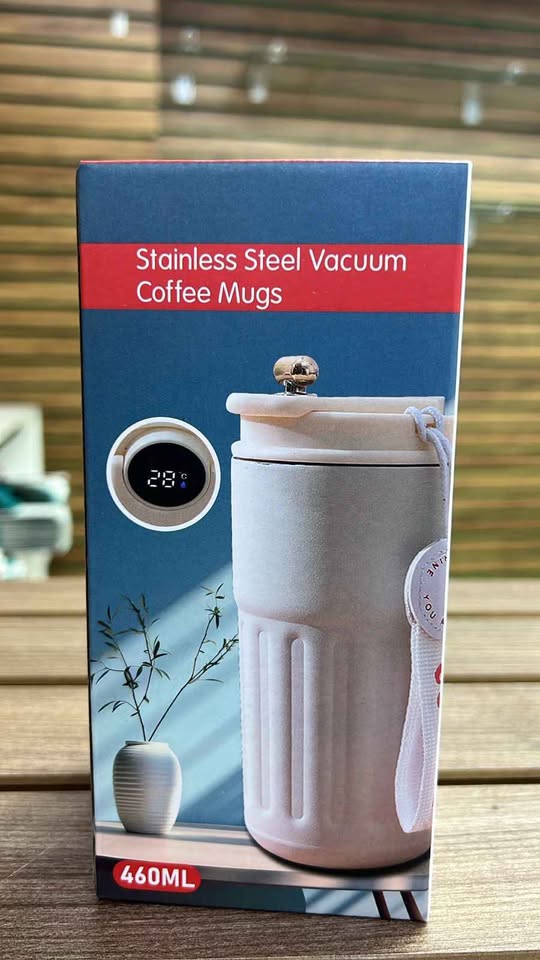
كوب قهوة بغطاء
وفر 41%! اشترِ كوب قهوة بغطاء بسعر 158.02 د.ل فقط في ليبيا. متوفر حالياً، الدفع
🛒 تسوق الآن Libya Press
Libyan Customs Authority has issued an immediate and comprehensive ban on the import and shipment of agricultural pesticides of all types through all land, sea, and air ports across the country. The decision marks a major regulatory move aimed at tightening control over substances entering Libyan territory and restructuring import procedures for agricultural chemicals.
The directive was announced by the Customs Center of Misrata Free Zone Port, which issued an urgent circular to all shipping agencies operating at the port. The notice prohibits the acceptance or shipment of any consignments containing agricultural pesticides destined for Libya, whether through Misrata Free Zone Port or any other entry point within the country.
According to the official circular, the ban is implemented pursuant to directives from the Presidency of the Council of Ministers. It is based on a letter from the Minister of State for Affairs of the Prime Minister and the Council of Ministers, numbered S/Sh 1297 and dated July 4, 2026, concerning the prohibition of agricultural pesticide imports through all Libyan ports.
The decision also cites a letter from the Director General of the General Administration for Administrative and Financial Affairs, numbered H/G/6908/27, dated July 5, 2026, and follows instructions from the acting Director General of the Libyan Customs Authority. This multilayered legal framework underscores the seriousness with which Libyan authorities are approaching the matter.
The Customs Center emphasized that the ban covers all types, classifications, and forms of agricultural pesticides without exception. This includes both internationally regulated substances and commonly used commercial pesticides that have been widely imported into the Libyan market in recent years.
Shipping agencies have been instructed to immediately notify all local and international shipping lines under their representation about the new regulations. They are required to cease accepting any pesticide shipments bound for Libyan territory effective immediately.
The Libyan Customs Authority warned that any entity violating the ban will face legal and judicial measures. Consignments that contravene the decision will not be permitted to unload within the customs perimeter of Misrata Free Zone Port or any other Libyan port.
The ban took effect from the date of the circular's issuance and will remain in force until new instructions or decisions are issued by the competent authorities. This means the prohibition is open-ended, subject to future regulatory reviews.
Libyan Customs affirmed that these measures fall within its supervisory role in monitoring foreign trade movements, protecting the health security of the community, and ensuring compliance with laws and regulations governing import operations through Libyan ports.
The agricultural pesticide sector in Libya has faced challenges related to unregulated imports, expired chemicals, and substances that do not meet international safety standards. This ban appears to be a response to growing concerns about the environmental and health impact of unchecked pesticide imports, particularly in agricultural regions that rely heavily on imported agrochemicals.
The decision is expected to significantly impact shipping companies that regularly transport agricultural pesticides to Libya. Importers and agricultural businesses will need to seek alternatives or obtain special exemptions until the regulatory framework is clarified.
Libya's agricultural sector, which depends on imported pesticides for crop protection, may face short-term disruptions. However, authorities appear to prioritize long-term regulatory control and public health safety over uninterrupted supply. The Customs Authority has not announced any transitional period or grace arrangements for shipments already in transit.
Shipping companies operating in Libyan waters are advised to review their cargo manifests and coordinate with local agents to ensure compliance with the new regulations. Failure to do so could result in seized shipments, legal proceedings, and potential sanctions against non-compliant operators.
— Libya Press / News Desk