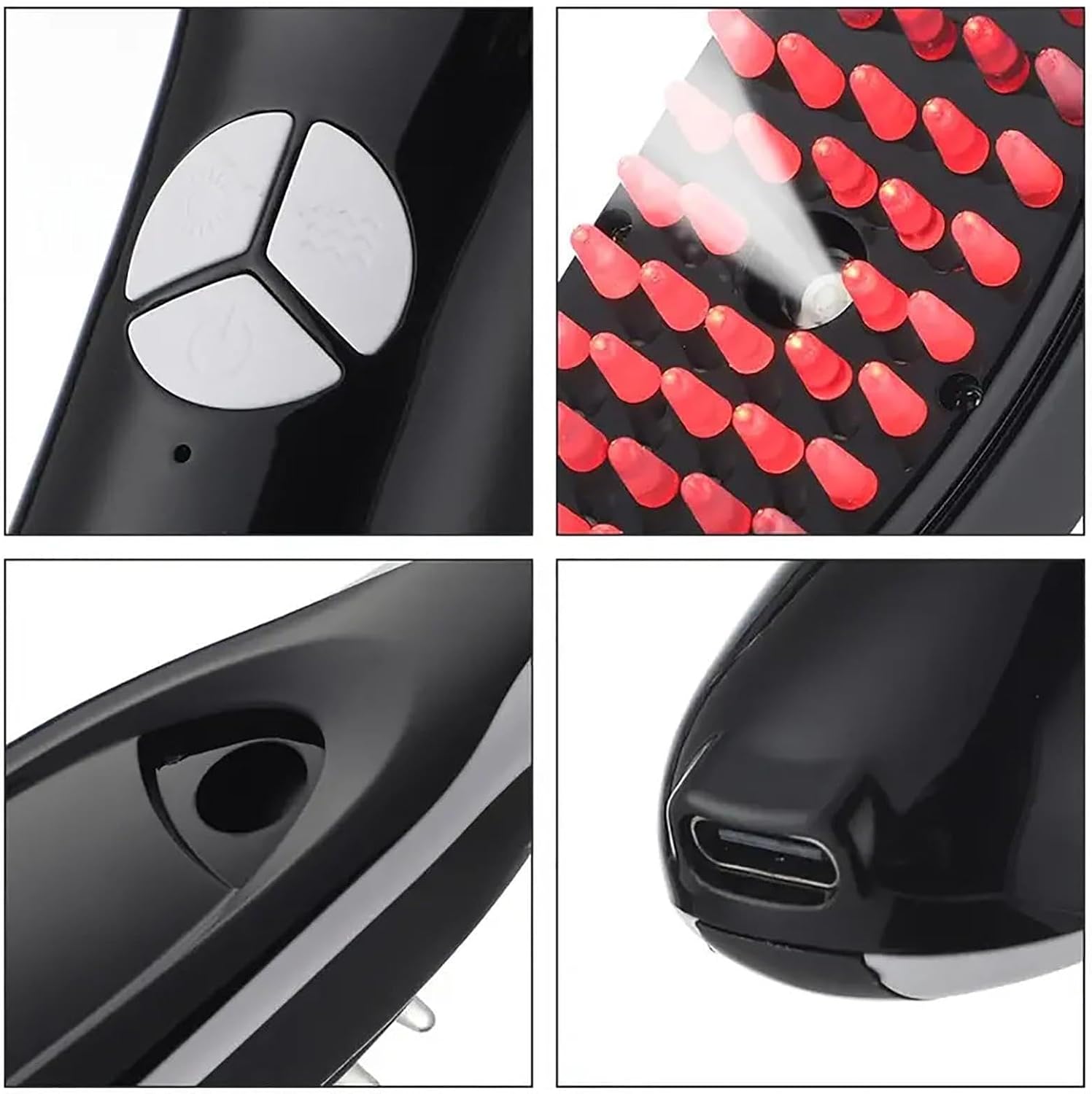
مشط التدليك الكهربائي
وفر 15%! اشترِ مشط التدليك الكهربائي بسعر 240 د.ل فقط في ليبيا. متوفر حالياً، ال
🛒 تسوق الآن Libya Press
The Libyan News Agency (LANA) remains the primary official conduit for state information, serving as the central nervous system for government announcements and national updates across the country. As the state's official mouthpiece, LANA is responsible for disseminating critical data that shapes the internal and external perception of the Libyan state's activities.
As Libya navigates a complex political landscape, the accuracy and speed of official news delivery are critical. This informational transparency is essential for maintaining public order and ensuring that citizens have access to verified government decisions, thereby reducing the influence of misinformation and unofficial rumors.
Recent reports from LANA highlight a surge in bilateral cooperation, notably between Libya and Mali. The two nations are currently exploring enhanced partnerships in the sectors of tourism and traditional industries. This diplomatic push is seen as a way to stabilize the region through economic interdependence and mutual cultural recognition.
These initiatives aim to revitalize cultural exchange and create sustainable economic opportunities that leverage the shared heritage and geographic proximity of the Sahel region. By focusing on traditional industries, both nations hope to provide jobs for local artisans and preserve indigenous crafts that are at risk of disappearing in the modern era.
Furthermore, the agency reports that these talks include security coordination to protect tourism hubs, ensuring that the shared borders become gateways for economic growth rather than zones of conflict.
In a significant move toward social stability, the Libyan Ministries of Youth and Justice have initiated comprehensive discussions focused on the rehabilitation and empowerment of young citizens. This initiative comes at a time when a large percentage of the Libyan population consists of youth facing high unemployment rates.
The focus is on providing professional and legal training, ensuring that the Libyan youth have the necessary tools to integrate into the workforce and uphold the rule of law. This structural support is designed to steer the younger generation away from political instability and toward productive civic engagement.
The Acting Minister of Local Government and the Minister of Finance are currently coordinating to finalize critical financial and administrative files for various municipalities. The ability of local councils to provide basic services depends heavily on the timely release of these funds from the central government.
Ensuring that local governments have the funds and legal authority to operate is essential for the delivery of basic services to Libyan citizens in remote and urban areas alike. From waste management to road repairs, the efficiency of the municipality is the most direct point of contact between the state and the citizen.
The current financial review aims to eliminate bureaucratic bottlenecks that have historically delayed the implementation of local development projects, ensuring a more equitable distribution of resources across all governorates.
The United Nations Support Mission in Libya (UNSMIL) continues to play a pivotal role by launching its annual program for Libyan women pioneers. This program acknowledges the untapped potential of Libyan women in leadership and governance, aiming to integrate their voices into the national peace process.
Furthermore, recent UN polls indicate that Libyan citizens prioritize accountability, the fight against corruption, and the holding of national elections above all other political concerns. This data suggests a strong public mandate for a return to constitutional legitimacy and the rule of law.
The Presidency of the High State Council continues to emphasize the necessity of a national consensus to end the current political deadlock, reflecting the core struggle for unity in the region.
— Libya Press / News Desk