
مريلة المطبخ الشفافة
وفر 23%! اشترِ مريلة المطبخ الشفافة بسعر 190.28 د.ل فقط في ليبيا. متوفر حالياً،
🛒 تسوق الآن Libya Press
Four African nationals are now barred from entering Libya through any border crossing after the eastern-based administration announced a sudden travel restriction effective Tuesday, according to a government source confirmed by Reuters.
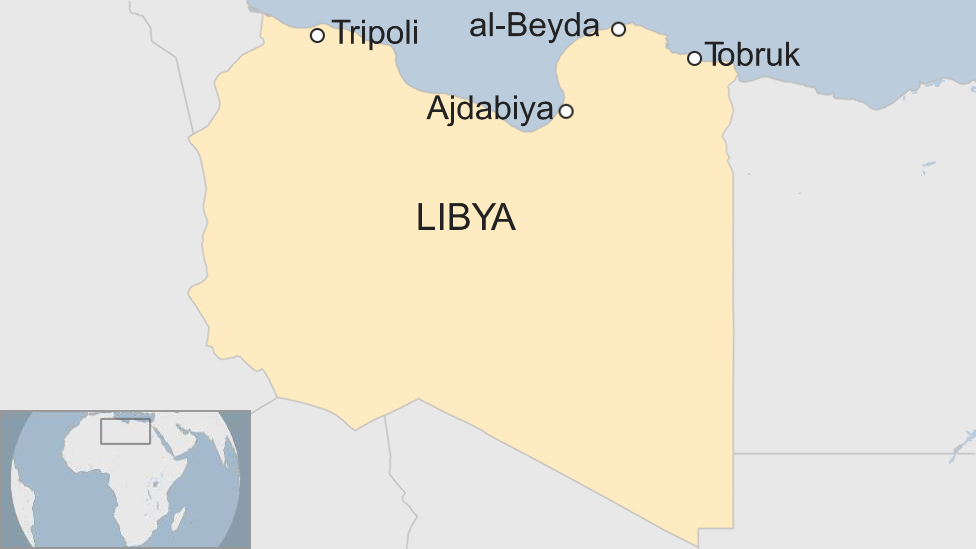
The Interior Ministry in Tobruk issued the decision late Monday, citing “national security concerns and rising cross-border threats” as justification. The ban targets Sudan, Eritrea, Ethiopia, and Somalia — countries experiencing ongoing conflict, economic instability, and mass displacement.
Effective immediately, all land, sea, and air entry points — including Sebha, Garzou, and Tripoli International Airport — are prohibited from processing travelers from the four nations. The directive applies to both tourists and migrants, with exceptions only for diplomatic or humanitarian cases approved by the Ministry of Foreign Affairs.
The decision follows increased pressure on Libya’s southern borders in recent weeks. According to the International Organization for Migration (IOM), over 2,300 migrants were intercepted at the Nalut–Al-Jufra corridor in May alone — a 37% increase from April.
“We were en route to Sabha when border guards turned us back at the Al-Jufra checkpoint,” said Amina Hassan, 28, a Sudanese nurse traveling with her two children. “They showed us a printed notice — no explanation, no appeal process.”
Meanwhile, a senior official in the eastern administration, speaking under condition of anonymity due to sensitivity of the matter, told Reuters: “This is not about targeting any community — it is about protecting Libyan sovereignty. We are overwhelmed. Our reception centers are at 180% capacity.”
For Libyan citizens, the ban carries both security and humanitarian implications. Southern cities like Sebha and Ubari report rising tensions between local communities and displaced populations, with competition for scarce jobs and resources intensifying. The IOM estimates over 650,000 migrants and refugees currently reside in Libya, many trapped in limbo due to blocked departure routes.
At the same time, families with loved ones in the four banned countries now face uncertainty over reunification and emergency travel. Human rights groups warn the move could push vulnerable migrants underground, increasing risks of exploitation and detention.
The eastern government has scheduled a press briefing for Friday, June 27, to outline implementation procedures and potential review timelines. Meanwhile, the United Nations Support Mission in Libya (UNSMIL) has urged “calm, coordination, and adherence to international protection standards.”
Libya’s internal displacement crisis — now at 215,000 people, per IOM — remains unaddressed. With the ban in place, the focus shifts to domestic solutions: border management reform, humanitarian access, and regional dialogue. For now, the message is clear — Libya’s southern gates are closed, and the world is watching.
— LibyaPress / Politics Desk