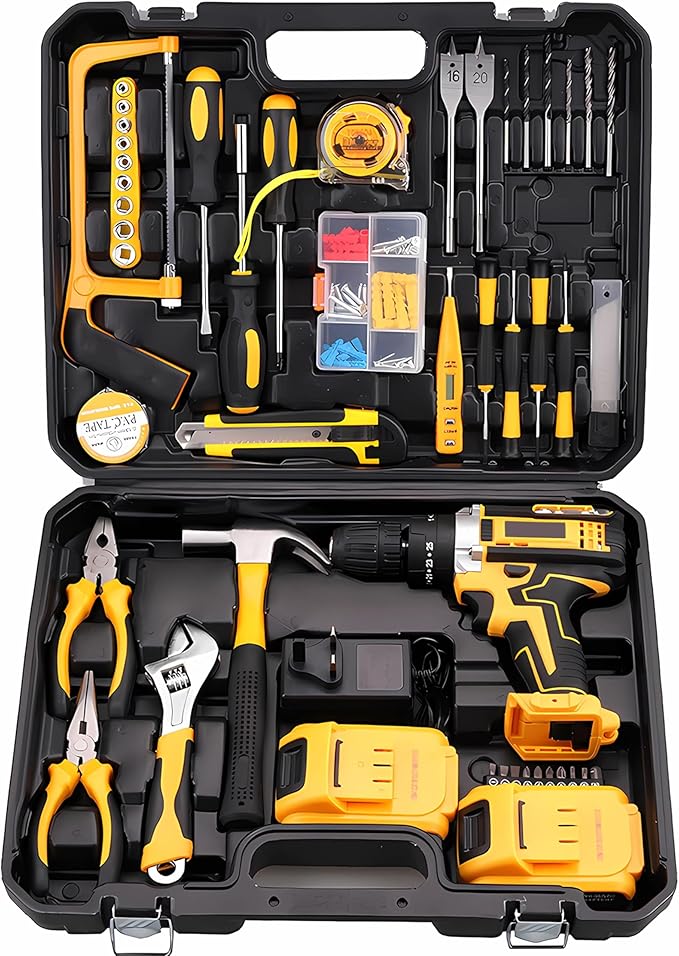
طقم أدوات كهربائية بقوة 48 فولت
وفر 7%! اشترِ طقم أدوات كهربائية بقوة 48 فولت بسعر 662.4 د.ل فقط في ليبيا. متوفر
🛒 تسوق الآن Libya Press
Libya's economy is forecast to expand by 6.5% in 2026, according to the African Development Bank, driven by a recovery in oil production and renewed international investor interest. After years of political turbulence, the nation is leveraging its vast hydrocarbon wealth to rebuild infrastructure, stabilize the currency, and create jobs for a young population.
The medium-term outlook remains conditional on security improvements and consistent oil output, with GDP growth projected at 4.3% in 2027. For Libyans, the key question is whether this momentum can translate into tangible improvements — from reliable electricity to affordable goods and employment.
Libya holds Africa's largest proven crude oil reserves, estimated at over 48 billion barrels. Before the 2011 uprising, production stood at approximately 1.6 million barrels per day (bpd). By early 2026, output has averaged between 1.1 and 1.3 million bpd — still below pre-conflict levels but significantly improved from the lows of 2020.
The National Oil Corporation (NOC) has prioritized modernizing aging infrastructure and reopening fields previously shut by conflict. Recent agreements with international energy companies signal growing confidence in Libya's oil sector, which accounts for over 95% of export revenues and roughly 60% of GDP.
The Libya Energy and Economy Summit (LEES 2026), held in Tripoli and inaugurated by Prime Minister Abd Alhamid Aldabaiba, marked a milestone in attracting foreign capital. The event brought together international energy firms, investors, and policymakers to discuss exploration, infrastructure upgrades, and natural gas potential.
According to Libya Economic Review, US and European energy firms are increasingly exploring opportunities in Libya, drawn by stable production prospects and the global shift toward energy security. The return of Western companies — many of which operated in Libya before 2011 — could accelerate technology transfer and operational efficiency.
Despite its hydrocarbon wealth, Libya's economy remains one of the least diversified in the region. Non-oil sectors — agriculture, manufacturing, and services — account for a small fraction of GDP and employment. The Central Bank of Libya continues to manage a dual exchange rate system that, while providing stability, has created distortions in the import-dependent economy.
Investment in renewable energy — Libya enjoys over 3,000 hours of annual sunlight — offers a promising avenue. Agriculture in the fertile Jebel Nafusa and coastal regions could boost food security and reduce reliance on imports, which constitute over 80% of food consumption.
While GDP projections are positive, ordinary Libyans face continued economic hardship. Inflation has eroded purchasing power, and the gap between official and parallel exchange rates for the Libyan dinar remains wide. Cash liquidity shortages, particularly in the south, hinder daily transactions.
Public services — electricity, water, healthcare, and education — have suffered from years of underinvestment and conflict. The government has pledged a larger share of oil revenue to infrastructure and social programs, but implementation remains uneven. Institutional reform and transparent fiscal management are essential for broad-based prosperity.
Libya's economic trajectory hinges on a delicate interplay of oil markets, internal security, and political consensus. The African Development Bank's cautious optimism reflects both the potential and fragility of the recovery. If Libya sustains production increases, stabilizes its currency, and makes progress on diversification, it could chart a path toward durable economic growth.
The Libyan people — resilient after more than a decade of upheaval — deserve an economy that works for them. The challenge lies in translating the nation's natural wealth into shared prosperity and lasting stability.
— Libya Press / Economy Desk