
قصة عود 100 مل
وفر 26%! اشترِ قصة عود 100 مل بسعر 159.36 د.ل فقط في ليبيا. متوفر حالياً، الدفع
🛒 تسوق الآن Libya Press
Libya's House of Representatives (HoR) issued a formal condemnation today of remarks made by United States Vice President JD Vance regarding the North African nation's political trajectory. The Foreign Affairs Committee of the HoR released a statement within hours of Vance's comments, calling the remarks "unacceptable interference" in Libya's sovereign affairs. The swift parliamentary response underscores the growing tension between Tripoli's political institutions and Washington's evolving stance on Libyan governance.
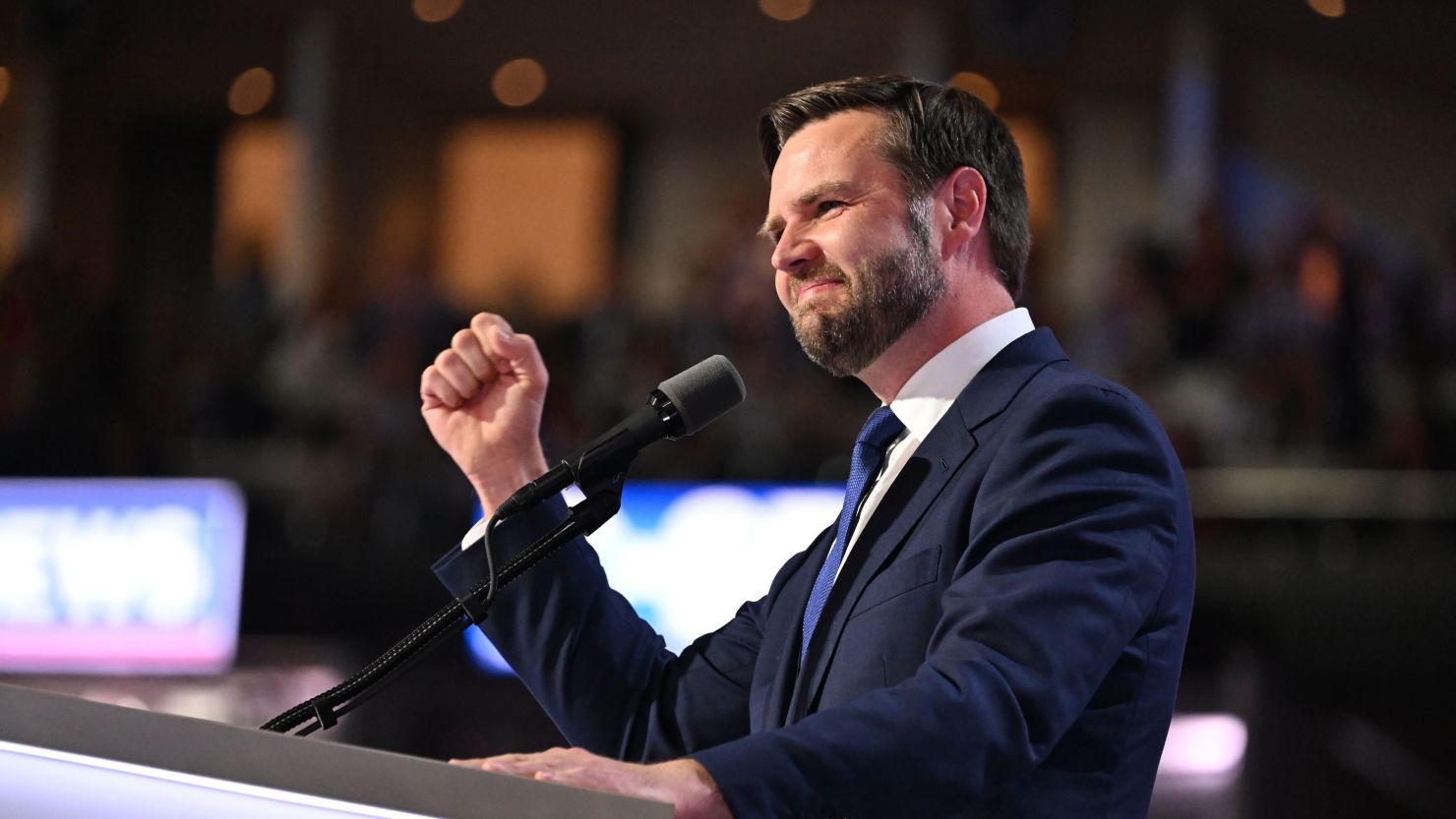
US Vice President JD Vance stated during a public address that the United States does not intend to play a leading role in shaping Libya's political future, a comment that Libyan lawmakers interpreted as abandonment of diplomatic commitments. The remarks, which circulated widely on social media and were reported by international outlets including Fox News, suggested a shift in American foreign policy priorities away from active engagement in Libya's stabilization process. The HoR's Foreign Affairs Committee responded within hours, characterizing the statement as contradictory to previous US pledges of support for Libyan institutions.
A member of the HoR Foreign Affairs Committee stated that "Libya's political future must be determined by Libyans themselves, not dictated or abandoned by foreign powers." The committee emphasized that while Libya rejects external imposition, it also expects consistency from international partners who have previously committed to supporting the country's democratic transition. The statement further called on the US administration to clarify its position on Libya and reaffirm its support for UN-sponsored dialogue tracks.
The exchange highlights the fragile state of Libya's international partnerships at a critical juncture. With the country still divided between competing governments in the east and west, any perceived withdrawal of American diplomatic engagement could embolden regional actors to deepen their involvement. For ordinary Libyans, the stakes are immediate: stalled political reconciliation means continued economic hardship, unreliable public services, and the absence of unified national institutions. The HoR's forceful response signals that Libya's elected representatives intend to assert their sovereignty regardless of shifting international priorities.
Despite the sharp rhetoric, diplomatic channels between Libya and the United States remain active through the UN Support Mission in Libya (UNSMIL) and bilateral embassies. Analysts suggest the HoR's condemnation is as much a domestic political statement as a diplomatic one, aimed at reinforcing the parliament's legitimacy among Libyan citizens. The coming weeks will reveal whether Washington issues a formal clarification or adjusts its public messaging on Libya. For now, Libya's House of Representatives has drawn a clear line: partnership is welcome, but silence or abandonment is not.
— LibyaPress / Politics Desk