
فرشاة تنظيف طبقة الزيت للسيارات
وفر 9%! اشترِ فرشاة تنظيف طبقة الزيت للسيارات بسعر 278.4 د.ل فقط في ليبيا. متوفر
🛒 تسوق الآن Libya Press
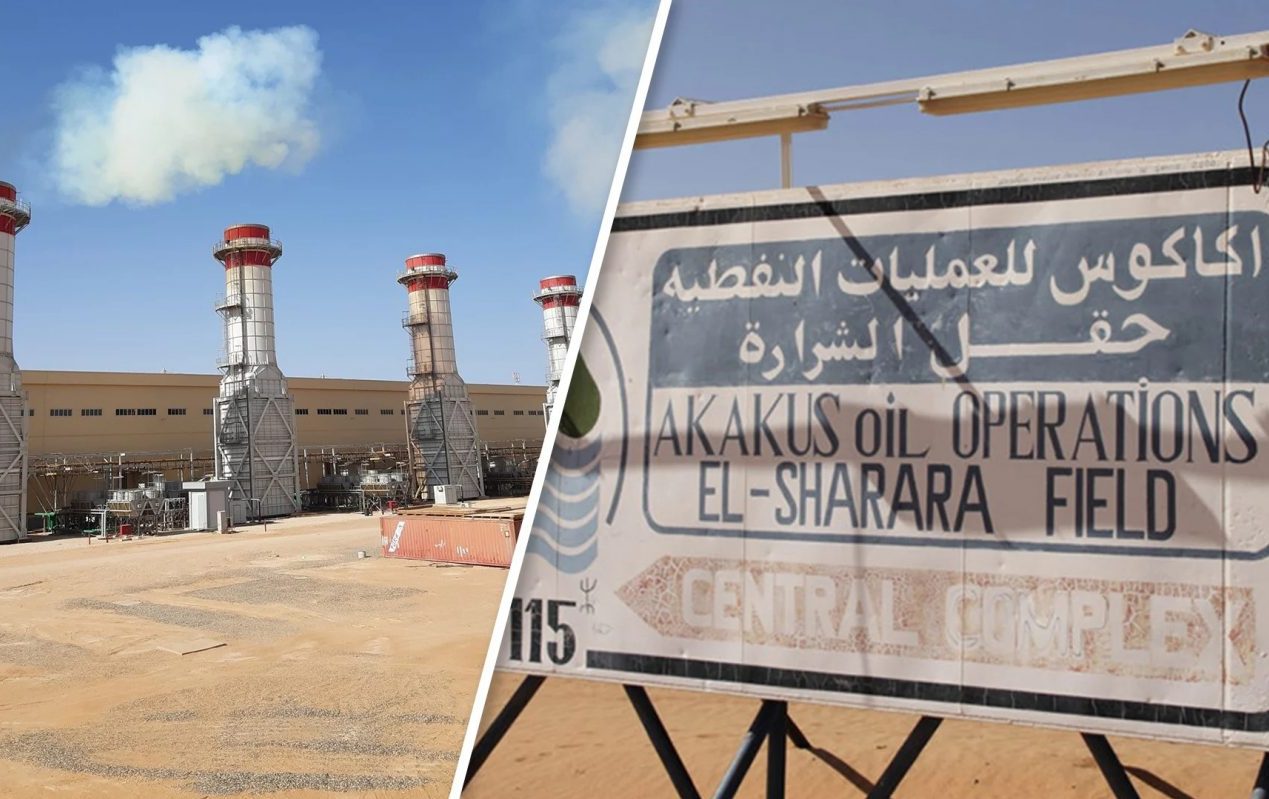
Libya has brought a new oil well online this week, reinforcing the country's accelerating energy comeback and strengthening its position as Africa's largest holder of proven crude reserves. The well, operated under the authority of the National Oil Corporation, adds fresh production capacity at a time when global energy markets are closely watching North African supply trends. Libya currently produces approximately 1.5 million barrels per day, and officials say the new well will contribute to pushing output even higher in the coming months.
The announcement comes just days after Business Insider Africa reported on Libya's expanding exploration activities, noting that the country holds an estimated 48.4 billion barrels of proven reserves — the largest on the continent. This latest development underscores the momentum building across Libya's energy sector after nearly two years of instability that had hampered production.
The National Oil Corporation has awarded new oil and gas exploration licenses to major international firms, including Chevron, Eni, and Repsol, the state oil firm confirmed on February 11. Chevron's return marks a particularly significant milestone, representing the American energy giant's long-awaited re-entry into Libya's upstream sector after years of absence due to security and political uncertainty.
These licensing awards represent the most significant opening of Libya's oil sector in nearly two decades. The deals signal growing international confidence in Libya's stability and its potential to become a reliable energy supplier to European and global markets. Gas monetization is also emerging as a central pillar of Libya's energy strategy, with gas production expected to reach 700 to 750 million standard cubic feet per day in the near term.
Ayodeji Adegboyega, reporting for Business Insider Africa, highlighted the significance of Libya's energy resurgence, noting that the combination of new wells and returning international majors creates a powerful foundation for sustained growth. The National Oil Corporation has emphasized that these developments are part of a broader strategy to modernize infrastructure, attract foreign investment, and maximize the value of Libya's vast hydrocarbon resources.
Energy analysts say the return of companies like Chevron brings not only capital but also advanced extraction technology that could unlock previously inaccessible reserves across Libya's underexplored basins.
For Libya, the oil sector is the backbone of the national economy, accounting for the vast majority of government revenue and export earnings. Every additional barrel produced translates directly into funding for public services, infrastructure reconstruction, and economic diversification efforts. The strengthening of crude output through new wells and international partnerships offers a tangible path toward fiscal stability after years of conflict-driven disruption.
Libyan citizens stand to benefit from increased employment opportunities in the energy sector, improved public finances, and greater economic confidence that could attract broader investment beyond oil. The government's ability to fund reconstruction in cities like Benghazi, Sirte, and Derna depends heavily on sustained and growing oil revenues.
Libya's energy comeback is reshaping the continent's oil landscape. As Africa's largest crude reserves holder, the country's production trajectory has implications for global supply dynamics and European energy security, particularly as the continent seeks to diversify its energy sources. With new wells coming online and international majors committing to long-term exploration, Libya is positioning itself as an indispensable player in the global energy market.
The coming months will be critical as the National Oil Corporation works to maintain momentum, ensure operational security, and deliver on its ambitious production targets. If current trends hold, Libya's oil sector could emerge as one of the most significant energy success stories of 2026.
— LibyaPress / Economy Desk