
مكنسة شفط الغبار الاحترافية
وفر 14%! اشترِ مكنسة شفط الغبار الاحترافية بسعر 420.48 د.ل فقط في ليبيا. متوفر ح
🛒 تسوق الآن Libya Press
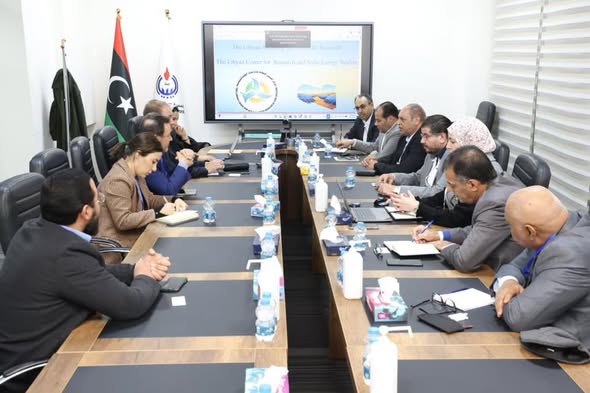
The National Oil Corporation (NOC) has officially concluded a specialized training course for third-year students in the renewable energy department at the Petroleum Institute for Qualification and Training in Sabha, southern Libya. The program, organized through the NOC's Renewable Energy Department in collaboration with the Technical and Administrative Development Center, marks a significant step in Libya's push toward diversifying its energy workforce.
The training program targeted students specializing in renewable energy technologies, equipping them with practical skills in solar and wind energy systems, energy storage solutions, and maintenance of renewable energy infrastructure. The initiative aligns with Libya's broader strategy to develop homegrown expertise in sustainable energy sectors.
The program represents an ongoing commitment by the NOC to invest in human capital development beyond traditional oil and gas sectors. By focusing on renewable energy education, the corporation aims to prepare Libyan youth for emerging job markets in clean energy — a sector projected to grow significantly across North Africa in the coming decade.
Libya currently generates the majority of its electricity from fossil fuels, but the country's abundant solar resources — with over 3,000 hours of sunlight annually — present a clear opportunity for renewable energy expansion. Programs like this training course are designed to ensure that Libyan engineers and technicians are ready to lead that transition.
According to earlier reports from Al-Menassa, the NOC has been collaborating with international experts to deliver practical training modules at the Sabha institute. This partnership brings global best practices in renewable energy technology to Libyan classrooms, ensuring students receive instruction that meets international standards.
The practical nature of the training distinguishes it from purely theoretical programs. Students worked hands-on with renewable energy equipment and systems, gaining direct experience that prepares them for real-world applications in Libya's energy sector.
Sabha, as a major urban center in southern Libya, plays a strategic role in the country's energy landscape. The city's location near significant solar radiation zones makes it an ideal hub for renewable energy training and development. By establishing the training program in Sabha, the NOC is decentralizing educational opportunities and bringing specialized skills development to regions outside Tripoli and Benghazi.
This approach supports Libya's Vision 2030 goals, which include sustainable development across all regions of the country. Investment in southern Libya's educational infrastructure is viewed as essential to balanced national development and economic diversification.
While Libya remains heavily dependent on oil and gas exports — which account for over 95% of government revenue — the renewable energy sector offers a pathway toward economic diversification. Training programs like this one are building a skilled workforce that can support the gradual integration of renewable energy into the national grid.
The NOC's involvement in renewable energy training signals a recognition within the country's energy establishment that the future of energy is multi-dimensional. By investing in clean energy education today, Libya is positioning itself to remain competitive in a global energy market that is increasingly prioritizing sustainability.
The successful conclusion of this training program adds to a growing body of evidence that Libya's institutions are actively working to bridge the skills gap in renewable energy technology. As the country works to rebuild and modernize its infrastructure, a locally trained workforce in sustainable energy will be a critical asset.
— Libya Press / Economy Desk