
مكواة شعر صغيرة لاسلكية
وفر 9%! اشترِ مكواة شعر صغيرة لاسلكية بسعر 316.8 د.ل فقط في ليبيا. متوفر حالياً،
🛒 تسوق الآن Libya Press
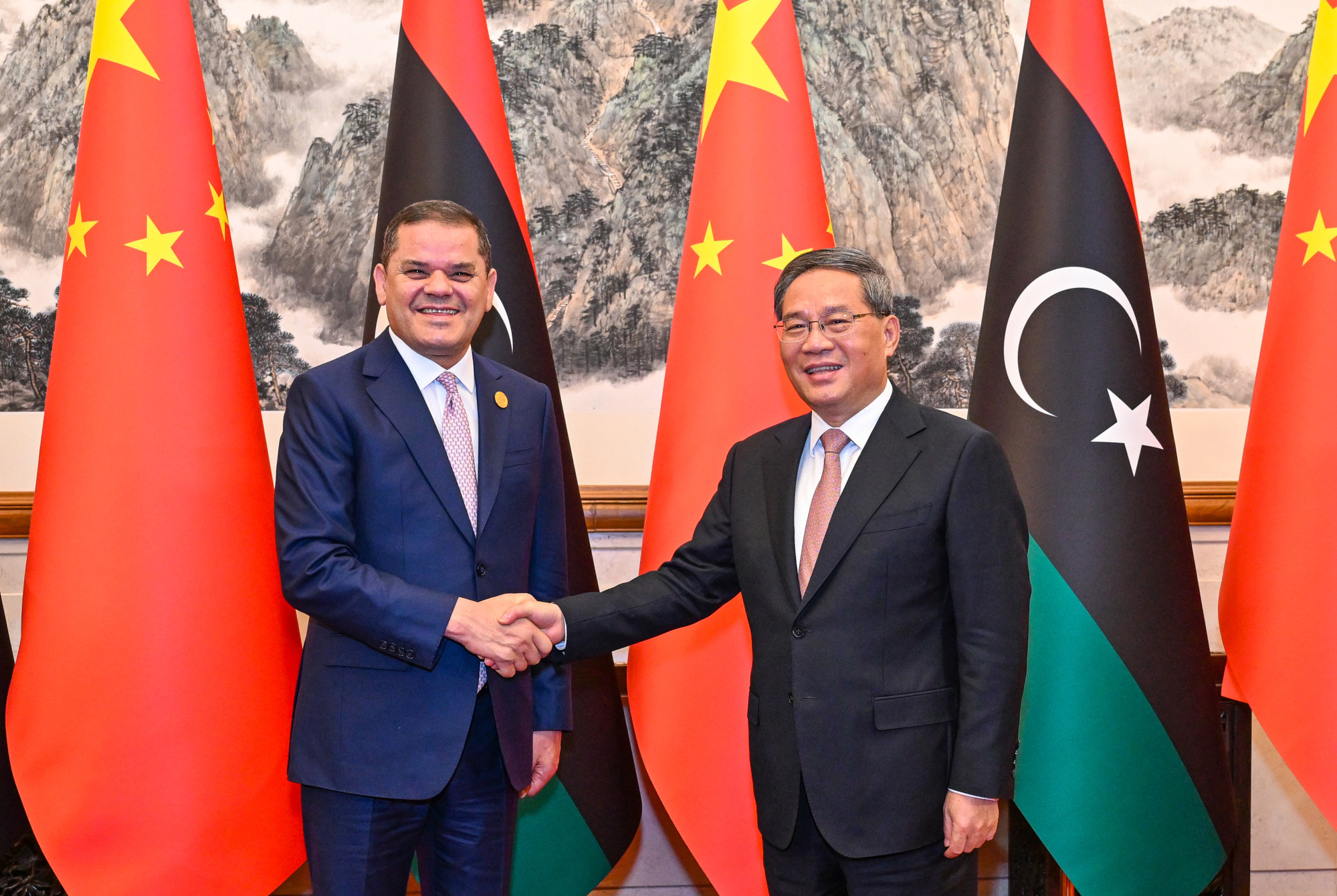
The Benghazi branch of Libya's Privatization and Investment Board (PIB) held high-level talks with representatives of China's KEDA Industrial Group on June 21, 2026, marking a significant step in Libya's push to attract foreign capital for nationwide reconstruction efforts. The meeting, first reported by the Libya Herald, focused on localizing Chinese investment within Libyan cities currently undergoing rebuilding after years of conflict. According to statements released by the PIB, the reception of KEDA representatives comes at a critical moment when reconstruction efforts are actively expanding across all Libyan cities, creating numerous investment opportunities in infrastructure, manufacturing, and industrial development.
The meeting reflects a broader trend of Chinese industrial groups seeking opportunities in post-conflict reconstruction markets across North Africa. Libya, with its vast reconstruction needs spanning housing, transportation, energy, and industrial capacity, represents one of the largest untapped investment frontiers on the continent. The PIB has been actively courting foreign investors to participate in projects that aim to rebuild cities damaged during years of instability. China's Belt and Road Initiative has increasingly turned toward North Africa, and Libya's strategic Mediterranean location makes it a natural partner for Chinese industrial expansion. This latest engagement with KEDA Industrial Group signals that Libya is positioning itself as a serious destination for Chinese capital and technical expertise.
"The reception of representatives from the giant Chinese industrial group KEDA comes at a time when reconstruction efforts are ongoing in all Libyan cities, creating numerous investment opportunities," the PIB stated, according to the Libya Herald report published on June 21, 2026. The board emphasized that the meeting is part of a deliberate strategy to diversify Libya's investment partnerships beyond traditional Western partners. "We are committed to creating an investment climate that welcomes international partners who can bring both capital and technology to support Libya's rebuilding," the PIB added in its official communication regarding the talks with the Chinese delegation.
For ordinary Libyans, foreign investment in reconstruction is not an abstract geopolitical matter — it is directly linked to whether roads will be repaired, hospitals rebuilt, housing constructed, and jobs created. The civil conflict that has plagued Libya for over a decade devastated critical infrastructure in cities from Benghazi to Misrata to Tripoli. Chinese investment, if it materializes at scale, could accelerate reconstruction timelines significantly. However, Libyans will rightly demand transparency in any agreements, ensuring that deals benefit local communities through job creation, technology transfer, and fair labor practices. The PIB's willingness to engage with major international players like KEDA is a positive signal, but citizens and civil society organizations must monitor these negotiations to ensure Libya's sovereignty and long-term economic interests are protected.
The June 21 meeting between the PIB and KEDA Industrial Group is likely the first in a series of negotiations that could shape Libya's reconstruction landscape for years to come. Both sides have expressed interest in deepening economic collaboration, and further announcements regarding specific investment agreements are expected in the coming months. For Libya, the challenge will be balancing the urgent need for foreign capital with the imperative of negotiating fair terms that serve Libyan citizens. For China, Libya represents a strategic opportunity to expand its industrial footprint in a resource-rich Mediterranean nation. As these talks progress, LibyaPress will continue to provide in-depth, fact-based coverage of every development — because Libya's future deserves nothing less than transparent, accountable journalism.
— LibyaPress / Economy Desk