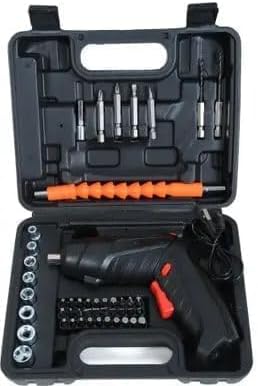
شنطة مفك كهربائي
وفر 20%! اشترِ شنطة مفك كهربائي بسعر 225 د.ل فقط في ليبيا. متوفر حالياً، الدفع ع
🛒 تسوق الآن Libya Press
On Monday, June 15, 2026, Libyan House Speaker Counselor Ageela Salih was elected president of the Asian-African Parliamentary Council (AAPC) during the opening of the Council's 2nd General Conference in Benghazi. The vote by parliamentary delegations from across Asia and Africa reflects growing international confidence in Libya's recovery and its restored role on the regional and global stage.
The election took place in the presence of representatives from the African Parliament, the African Parliamentary Union, the Mediterranean Parliament, and the International Federation of Asian and African Trade Unions, alongside diplomats and heads of accredited missions in Libya.
The 2nd General Conference of the Asian-African Parliamentary Council convened in Benghazi under the theme "The Future Vision of African-Asian Relations." Delegations from legislative bodies across both continents gathered for the two-day summit, which continues through Tuesday, June 16.
AAPC Secretary-General Faiyaz Al-Shuwabka officially opened the conference and adopted its agenda. Libyan House Deputy Speaker Mesbah Douma delivered welcoming remarks on behalf of the House, emphasizing the deep historical bonds and shared destiny linking the peoples of Asia and Africa.
Speaking as conference president, Salih expressed his pride in Libya hosting this major international parliamentary event. "The convening of this conference in Benghazi carries important political and institutional significance and reflects the city's stability, security, and urban development," he said. He stressed that Benghazi had overcome the challenges of terrorism and extremism and transitioned into a phase of reconstruction and nation-building.
Saud Rashid Al-Hijilan, First Vice-President of the AAPC, and Sidney Sokhona, Vice-President representing the African continent at the Council, both delivered speeches underscoring the importance of strengthening inter-parliamentary cooperation and expanding joint coordination between member states.
The election of Ageela Salih to lead a transcontinental parliamentary body comprising dozens of nations is a significant diplomatic milestone. It signals that Libya — and Benghazi in particular — is increasingly viewed as a viable host for high-level international gatherings, more than a decade after the 2011 conflict.
Hosting the conference also aligns with a broader push by the House of Representatives to re-engage with regional and international partners. In early May, Deputy Speaker Douma met with French Ambassador Thierry Fala in Benghazi to discuss bilateral cooperation and Libya's political stabilization efforts, part of a sustained diplomatic outreach from the eastern-based institution.
For Libyan citizens, the AAPC presidency offers a tangible benefit: a seat at the table where continental decisions on trade, legislation, and cooperation frameworks are shaped. It also reinforces Benghazi's gradual re-emergence as a hub for international diplomacy in North Africa.
The conference concludes Tuesday with group photographs and ongoing sessions focused on shared challenges facing Asian and African nations. Salih's presidency is expected to bring fresh attention to Libya's legislative priorities and strengthen ties between the House of Representatives and peer institutions across two continents. For a country working to rebuild its international standing, this moment represents a meaningful step forward.
— LibyaPress / Politics Desk