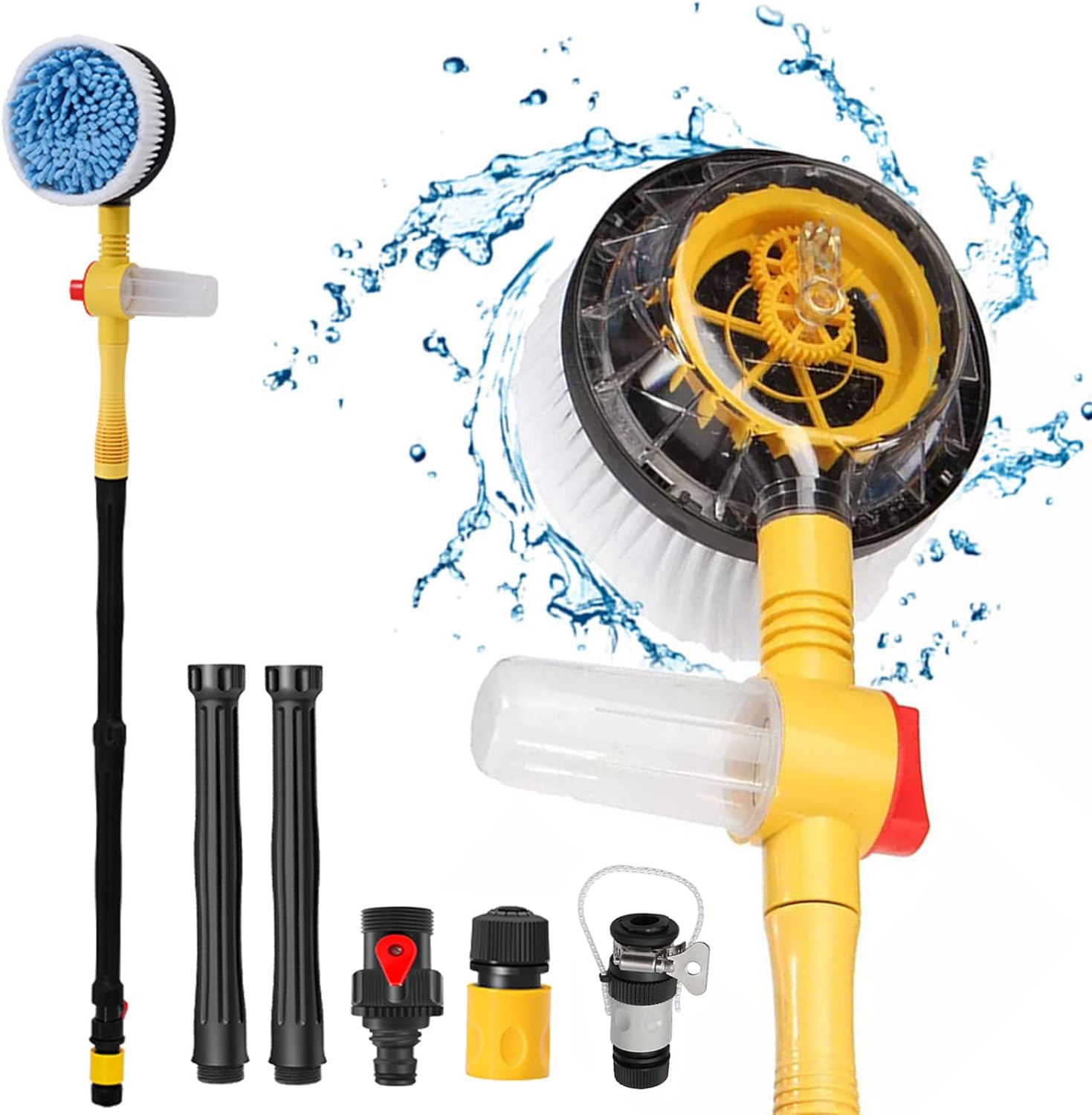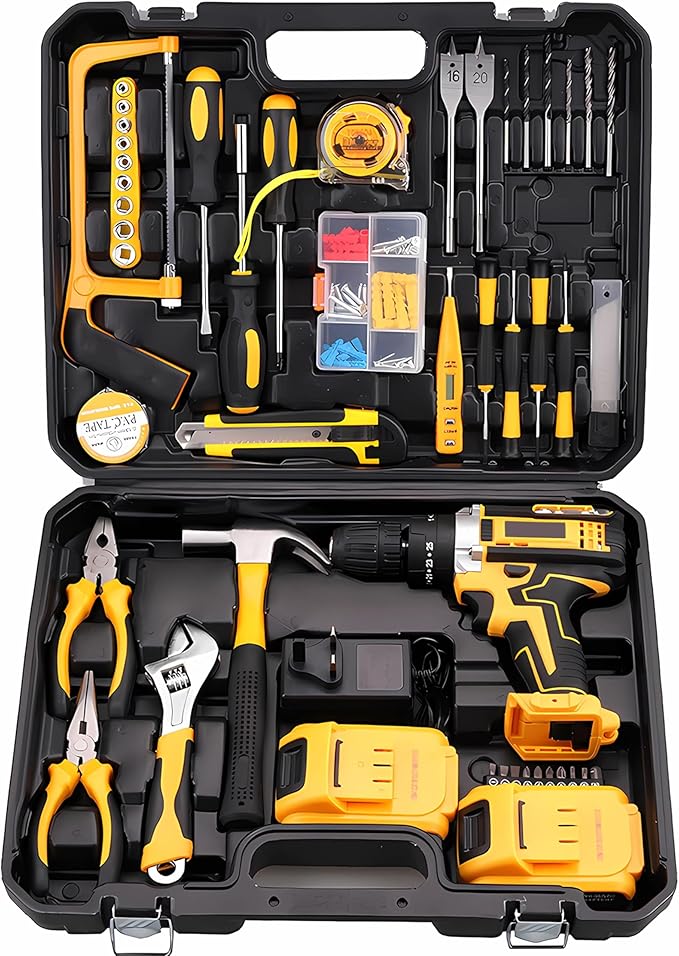
طقم أدوات كهربائية بقوة 48 فولت
وفر 7%! اشترِ طقم أدوات كهربائية بقوة 48 فولت بسعر 662.4 د.ل فقط في ليبيا. متوفر
🛒 تسوق الآن Libya Press
Fresh tensions have erupted between Libya's Presidential Council and the House of Representatives, casting doubt over the country's fragile power-sharing framework. The dispute — centered on unilateral appointments to senior state positions — threatens to derail renewed UN-led efforts to stabilize Libya after more than a decade of division. According to reporting by Al Arabi Al Jadid, the controversy reignited when Presidential Council members moved to appoint high-ranking officials without securing legislative approval.
Controversy ignited when members of the Presidential Council moved to appoint senior state officials without securing legislative approval from the House of Representatives. The parliament swiftly rejected the nominations, accusing the executive body of overstepping its constitutional mandate.
This is not the first such clash. In August 2024, tensions peaked when the Presidential Council dismissed Sadiq al-Kabir — the long-serving governor of the Central Bank of Libya — a move the House of Representatives refused to recognize. That episode paralyzed monetary policy coordination for months and set the precedent for today's institutional gridlock.
The rivalry between Tripoli's Presidential Council, chaired by Mohammed al-Mnefi, and the eastern-based House of Representatives, Speaker Aguila Saleh, has deep structural roots. Libya has operated without a ratified constitution since 2011, meaning the boundaries of executive and legislative authority remain fiercely contested.
Analysts note that both institutions have increasingly used appointments as a tool of political leverage. Each seeks to consolidate influence over state institutions — from sovereign regulatory bodies to the governorship of the Central Bank. A May 2025 Asharq Al-Awsat report documented how the conflict extended to the very question of who holds the authority to nominate a new prime minister after the contested resignation of Abdul Hamid Dbeibah's cabinet.
The immediate risk is legislative paralysis. Without consensus on key appointments, critical state functions face delays — from financial oversight to electoral preparations. The High National Elections Commission, already the subject of a January 2026 dispute over its board composition, remains vulnerable to further institutional deadlock.
Broader implications concern Libya's pathway to national elections. The UN Support Mission in Libya (UNSMIL) continues to push toward a unified political roadmap, but repeated institutional standoffs undermine international confidence. UN briefings at the Security Council have repeatedly flagged the PC-HoR relationship as the primary obstacle to implementing Resolution 2570 and advancing national reconciliation.
Presidential Council Decree No. 2 of 2025 — which established a national reconciliation framework — offers a cautionary tale. The decree was issued unilaterally and was met with sharp criticism from constitutional scholars at the Libyan Law Society, who questioned its legal foundations under the 2011 Constitutional Declaration. The experience demonstrated that actions taken without cross-institutional buy-in risk deepening divisions rather than bridging them.
Diplomatic sources suggest quiet mediation channels remain active between the two institutions and international stakeholders. Both sides face domestic pressure to avoid appearing weak to their constituencies, yet prolonged deadlock risks further eroding public trust in Libya's state institutions — trust that polls show has declined steadily since 2023.
For ordinary Libyans, the pattern is wearily familiar: institutional rivalry overrides governance, and political deadlines pass without resolution. Whether this latest round of tension produces genuine dialogue or deeper paralysis may determine Libya's trajectory well into 2026.
— Libya Press / Politics Desk