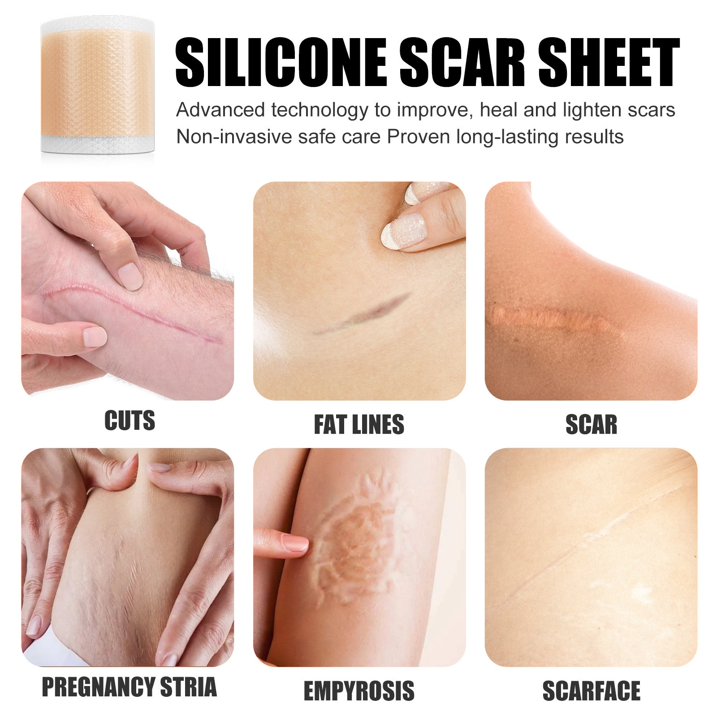
صفائح سيليكون لعلاج الندبات
وفر 12%! اشترِ صفائح سيليكون لعلاج الندبات بسعر 176.26 د.ل فقط في ليبيا. متوفر ح
🛒 تسوق الآن Libya Press
The European Bank for Reconstruction and Development (EBRD) has announced plans to scale up investments in Morocco to accelerate the green transition across the region. This move signals growing international confidence in North Africa's renewable energy potential. The announcement comes amid a broader wave of economic and political developments reshaping the north africa landscape this week.
According to the North Africa Post, the EBRD's expanded investment program will focus on renewable energy infrastructure, sustainable agriculture, and clean technology adoption in Morocco. The initiative is expected to mobilize hundreds of millions of euros in financing over the coming years. This development aligns with the continent's broader push toward energy diversification and climate resilience.
The Stimson Center highlighted several critical developments affecting North Africa and the broader MENA region. Energy markets continue to respond to shifting geopolitical dynamics, including developments around the Strait of Hormuz that have reshaped global energy supply calculations. Meanwhile, security challenges in the Sahel region continue to escalate, with spillover effects threatening stability across multiple borders.
German electronics manufacturer DELTEC has acquired a Swiss electronics manufacturing site, a move that could have implications for industrial supply chains connected to North African markets. The acquisition reflects growing European interest in strengthening manufacturing capabilities that serve both European and North African demand.
Observers following North Africa closely note that the EBRD's decision reflects a broader strategic calculation. North Africa's geographic position, solar potential, and growing regulatory reforms make it an increasingly attractive destination for green investment. The EBRD has been steadily increasing its footprint in the southern Mediterranean over the past decade.
Analysts suggest that Morocco's regulatory framework for renewable energy, which has undergone significant reforms since 2019, played a decisive role in attracting the EBRD's expanded commitment. The country aims to generate 52% of its electricity from renewable sources by 2030, a target that requires substantial international financing.
For Libya, the EBRD's expanded North African investment strategy presents both opportunities and challenges. Libya's own renewable energy sector remains underdeveloped despite possessing some of the highest solar irradiation levels in the region. As international institutions channel billions into Morocco's green infrastructure, Libyan policymakers face increasing pressure to create competitive investment frameworks.
Libya's energy sector currently depends almost entirely on oil and gas revenues. Regional neighbors like Morocco and Tunisia are diversifying rapidly. Experts suggest that Libya risks being left behind in the global energy transition without urgent regulatory and institutional reforms. The country's solar potential alone could generate enough electricity to meet domestic demand and export surplus to European markets.
The coming months will be critical for North Africa's green transition trajectory. The EBRD's investment expansion in Morocco could serve as a model for similar programs in Tunisia and Libya, provided the right governance structures are in place. International observers will be watching closely to see whether these commitments translate into tangible infrastructure on the ground.
For the broader region, the intersection of energy transition, security challenges, and economic reform will define the political landscape through the end of 2026. North Africa stands at a crossroads between fossil fuel dependency and a sustainable energy future. The decisions made by institutions like the EBRD in the coming quarters will shape the region's economic architecture for decades to come.
— LibyaPress / Tech Desk