
معقم للقدمين بزيت شجرة الشاي
وفر 27%! اشترِ معقم للقدمين بزيت شجرة الشاي بسعر 166.08 د.ل فقط في ليبيا. متوفر
🛒 تسوق الآن Libya Press
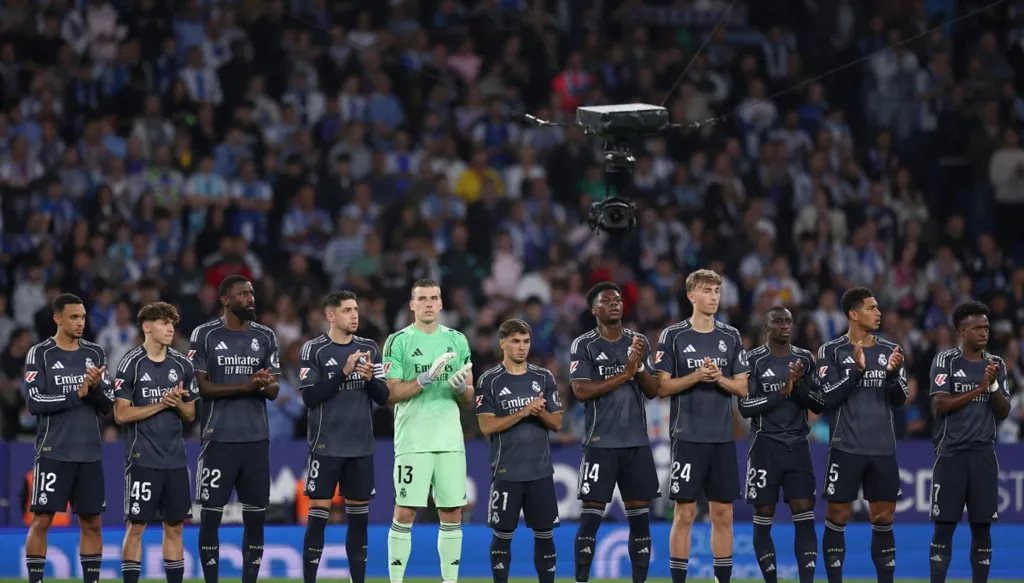
Real Madrid's youth academy, known worldwide as "La Fábrica," has transformed into the club's primary revenue engine during the current summer transfer window. According to Spanish newspaper AS, academy sales have already generated €120.5 million, reshaping how the football world views youth development economics.
This strategy marks a significant evolution from traditional transfer models. Instead of selling graduates outright, Real Madrid implemented a system that maximizes financial return while maintaining future control over their most promising talents.
The core innovation lies in Real Madrid's contractual structure. Every academy sale now includes buy-back clauses and retained percentage rights, allowing the club to benefit twice — from the immediate fee and from future resale value.
AS reports that the club keeps 50% of the rights on most outgoing academy players. This ensures that if a player's value appreciates, Real Madrid shares in the upside without taking sporting risk. Analysts have described this as "financial engineering" rather than simple player trading.
The standout transaction involves Nico Paz, the Argentine attacking midfielder who joined Como for €60 million. Real Madrid inserted a buy-back clause allowing them to repurchase Paz for €80 million in summer 2027.
Paz impressed during loan spells and showed promise with the first team. His sale represents the new archetype — talented enough to command a premium fee, but sold strategically to generate immediate cash flow while keeping a return path open.
Beyond the Paz deal, Real Madrid executed several well-structured sales that build an impressive financial picture:
The academy-first financial model arrives at a crucial time. Madrid is navigating post-Bernabéu renovation commitments while planning squad investments. According to AS, the club is pursuing Inter defender Alessandro Bastoni, which could trigger further sales.
Raúl Asensio's future hangs in the balance — if Bastoni arrives, a current defender may depart. Meanwhile, forward Gonzalo's situation awaits José Mourinho's decision after pre-season. Endrick's underwhelming World Cup form has also prompted reassessment of attacking options.
Real Madrid's academy model offers valuable lessons across the Arab world, including Libya. The strategy demonstrates that investment in youth infrastructure can produce returns comparable to — or exceeding — traditional player trading.
Libyan clubs and academies can study how Madrid structures contracts with buy-back clauses and retained rights. While the scale differs, the principles apply at any level. For young Libyan players dreaming of Europe, La Fábrica's success reinforces a simple truth: academies producing well-trained graduates are the most sustainable path to sporting and financial success.
— Libya Press / Sports Desk