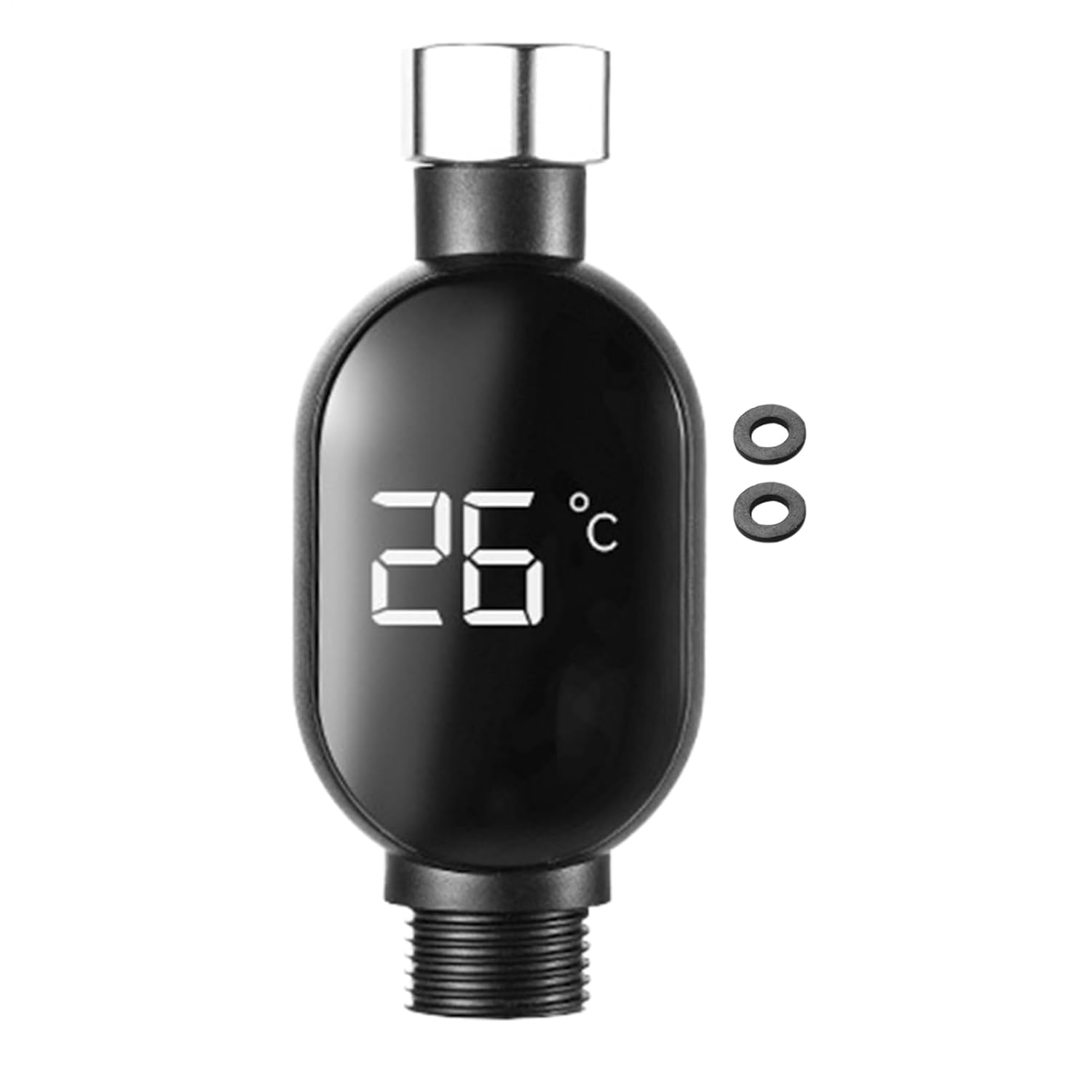
جهاز مراقبة درجة حرارة تدفق المياه
وفر 35%! اشترِ جهاز مراقبة درجة حرارة تدفق المياه بسعر 163.2 د.ل فقط في ليبيا. م
🛒 تسوق الآن Libya Press
Rosa Seif, also known as Rouza Saif, has become one of the most searched names across Libyan social media in recent weeks. The Tunisian-Libyan content creator has amassed tens of thousands of followers on TikTok and Tango, where her videos have ignited debate about digital expression, cultural boundaries, and social media norms in the region.
With over 3,000 likes on individual TikTok videos and an active presence on Tango Live, Rosa Seif has built a following spanning both Libya and Tunisia. Her content — including dance videos, live fan interactions, and daily life glimpses — has drawn both admiration and criticism from different segments of the online community.
Behind the controversy lies a growing economic reality. Social media content creation has become a legitimate income source for young people across North Africa. Platforms like TikTok and Tango offer monetization through virtual gifts, brand sponsorships, and creator funds — allowing popular users to earn significant revenue.
For many young Libyans facing high unemployment rates — estimated at nearly 20% among youth according to recent labor statistics — content creation represents one of the few accessible paths to financial independence. Rosa Seif's success reflects this broader trend of digital entrepreneurship emerging across the region.
However, critics argue that platform financial incentives often encourage increasingly provocative content, as creators compete for attention in an algorithm-driven environment that rewards engagement above all else.
The rise of Rosa Seif has reopened conversations in Libya about the role of social media in shaping youth culture. Libya, a conservative society with strong tribal and religious traditions, has seen rapid adoption of platforms like TikTok among its young population — creating a generational divide over acceptable online behavior.
Some Libyan commentators view content creators like Rosa Seif as exercising personal freedom in the digital age. Others see such content as challenging Libyan cultural values, calling for greater regulation of online platforms. This tension is not unique to Libya — across the Arab world, countries from Egypt to Morocco grapple with similar questions about digital expression, public morality, and platform influence on local culture.
The Rosa Seif phenomenon has also drawn attention to content moderation policies. TikTok has invested in regional moderation teams with guidelines prohibiting sexually explicit content, but enforcement remains inconsistent. Tango, operating with different standards, allows creators more freedom — creating a fragmented regulatory environment across platforms.
Libyan authorities have not issued formal statements regarding such content creators. However, the growing visibility of digital personalities has prompted discussions among lawmakers about updating internet governance frameworks. Current Libyan cybercrime laws were designed primarily for hacking and fraud — not the nuanced landscape of influencer culture. Tunisia has been more active in regulating digital content, with its telecommunications ministry occasionally blocking content deemed a violation of public decency laws.
Libyan social media users express mixed views. Some follow Rosa Seif for entertainment. "She's just a girl making videos like millions around the world," one user in Tripoli commented. Others express concern about digital culture shifts. "Content that would have been unthinkable five years ago is now everywhere," said a university student in Benghazi.
As Libya's digital landscape evolves, figures like Rosa Seif serve as flashpoints in a larger conversation — one every society undergoing rapid technological change must eventually confront. Whether viewed as a symbol of personal freedom or a symptom of cultural erosion, her rise highlights the complex relationship between tradition and technology in 21st-century Libya.
— Libya Press / News Desk