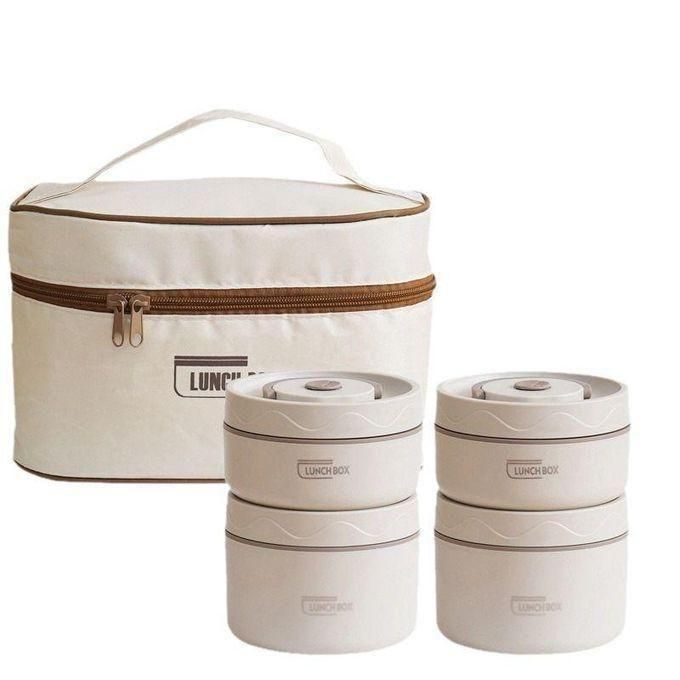

كوب قهوة بغطاء
وفر 41%! اشترِ كوب قهوة بغطاء بسعر 158.02 د.ل فقط في ليبيا. متوفر حالياً، الدفع
🛒 تسوق الآن Libya Press
Medical research in Libya is undergoing a critical and necessary evolution, with universities and medical centers increasingly focusing on localized health challenges. From chronic hypertension to complex glycemic control, Libyan scientific publications are now providing the critical data necessary to tailor treatments to the specific genetic and environmental needs of the local population.
For too long, clinical practice in the region relied heavily on international guidelines that did not always account for the unique dietary habits or socioeconomic stressors of Libyan patients. The shift toward domestic research is not merely an academic pursuit; it is a fundamental upgrade to the national healthcare infrastructure.
Institutions such as the University of Gharyan and the University of Benghazi are at the absolute forefront of this scientific movement. By maintaining dedicated departments for scientific publications and research ethics, these universities ensure that findings are not just archived, but are disseminated through formal, peer-reviewed channels.
The University of Benghazi, for instance, possesses a long and storied history of academic rigor, dating back to the launch of the "Al-Razi Journal" in 1974. This legacy of English-language medical publication established a standard of excellence that paved the way for modern researchers to engage with the global scientific community while solving domestic health crises.
Moreover, these institutions are now integrating multidisciplinary approaches, combining pathology, pharmacology, and public health to create a holistic view of the Libyan patient's journey from diagnosis to recovery.
Recent publications highlight a significant and urgent trend in studying chronic non-communicable diseases, which have become the leading cause of mortality in the region. A key area of focus has been the evaluation of risk factors for Libyan patients suffering from the dual burden of hypertension and diabetes mellitus.
The shift toward evidence-based medicine in Libya is producing real-world implications for patient care. By analyzing local data, doctors can move away from generic guidelines and toward "precision medicine"—an approach that accounts for Libyan genetics, traditional diets, and specific environmental factors.
Collaboration between the Tripoli Medical Centre and various academic bodies ensures that the transition from a "Journal Article Abstract" to a bedside treatment plan is seamless. This process is further safeguarded by ethical review boards that ensure patient safety and data privacy are never compromised for the sake of discovery.
When a doctor in Tripoli uses a treatment protocol based on a study conducted in Benghazi, the probability of a successful outcome increases because the biological variables are consistent with the local population.
As the digital era expands, the transition toward open-access scientific repositories is accelerating rapidly. This allows young Libyan doctors and medical students to access the latest research without the prohibitive barriers of expensive international subscriptions, effectively democratizing medical knowledge.
This openness fosters a new generation of "clinician-researchers"—doctors who not only treat patients but also contribute to the body of knowledge that improves those treatments. The ongoing commitment to publishing in both Arabic and English ensures that local practitioners remain informed while Libyan medical expertise is shared with the global world.
Ultimately, the goal is a sustainable ecosystem where Libyan research solves Libyan problems, elevating the entire healthcare system to a global standard of excellence.
— Libya Press / Health Desk