
ماكينة حلاقه الاماكن الحساسة
وفر 14%! اشترِ ماكينة حلاقه الاماكن الحساسة بسعر 278.4 د.ل فقط في ليبيا. متوفر ح
🛒 تسوق الآن Libya Press
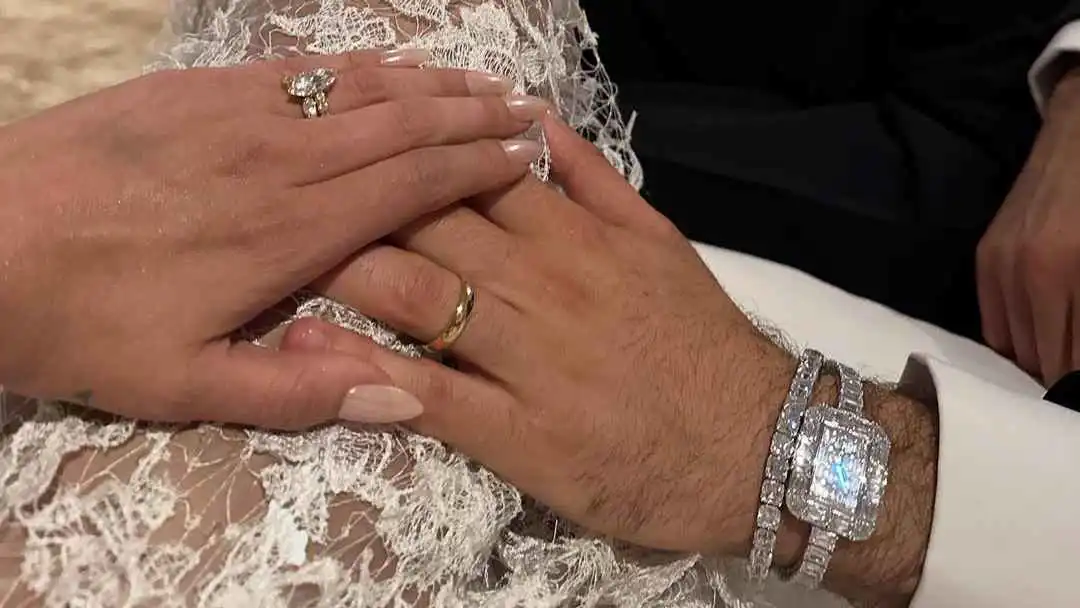
When Selena Gomez announced her engagement in December 2024, the world immediately focused on one detail: her stunning marquise-cut diamond ring. But beyond the sparkle, a bigger story emerged — reports suggested the singer and actress may have chosen a sustainable diamond alternative from ethical jewelry brand Etika Jewels, raising questions about cost, ethics, and the future of celebrity engagement rings.
Selena Gomez's engagement ring features a striking marquise-cut center stone set on a delicate band. The elongated diamond shape, known as the "marquise cut," creates an illusion of longer, more slender fingers and has become increasingly popular among celebrities seeking a vintage-inspired aesthetic.
According to jewelry experts, the ring closely resembles the "Amna" design from Etika Jewels, a brand renowned for its commitment to sustainable and ethically sourced gemstones. Etika Jewels specializes in lab-grown diamonds and recycled precious metals, offering an eco-conscious alternative to traditionally mined diamonds.
The choice of sustainable diamond alternatives represents a broader shift in how celebrities approach luxury. Lab-grown diamonds are chemically identical to mined diamonds — they share the same carbon crystal structure, hardness, and brilliance — but are created in controlled laboratory environments rather than extracted from the earth.
"The environmental and ethical benefits are significant," explains jewelry industry analyst Marie Chen. "Lab-grown diamonds use significantly less water and energy per carat, and they eliminate the risk of conflict diamonds entirely, which is increasingly important to younger consumers."
Industry data shows that the lab-grown diamond market has grown by approximately 8% annually, with projections suggesting it could capture nearly 10% of the global diamond market by 2030. Celebrity endorsements, whether intentional or speculative, accelerate this trend.
While Selena Gomez has not officially confirmed the ring's cost or origin, jewelry valuation experts estimate that a marquise-cut diamond ring of comparable size (estimated between 4-6 carats) from a sustainable jewelry brand like Etika Jewels could range between $15,000 and $40,000 — significantly less than a mined diamond of equivalent size and quality, which could exceed $100,000.
Etika Jewels, the brand most frequently associated with the ring design, is known for offering luxury pieces at accessible price points by using lab-grown diamonds and moissanite, a diamond simulant that offers similar brilliance at a fraction of the cost.
The affordable luxury positioning aligns with a broader consumer trend. A 2024 survey found that 84% of millennial and Gen Z consumers consider sustainability important when purchasing jewelry, and 67% said they would choose a lab-grown diamond over a mined diamond if price and quality were equivalent.
The conversation around sustainable jewelry is also reaching Libyan consumers, particularly among younger Libyans who follow global celebrity trends. With Libya's gold and jewelry market traditionally dominated by mined precious metals and stones, awareness of ethical alternatives is gradually increasing through social media and international fashion coverage.
Local jewelers in Tripoli and Benghazi have begun noting inquiries about lab-grown diamonds and sustainable options, reflecting a global shift that transcends borders. For Libyan consumers, the appeal lies not only in affordability but also in the transparency and ethical assurance that sustainable jewelry brands offer.
Regardless of whether Selena Gomez's ring is definitively linked to Etika Jewels or another sustainable brand, the conversation it has sparked is significant. Celebrity engagement rings have historically set trends — from Princess Diana's sapphire to Meghan Markle's trilogy band — and the association with ethical jewelry could accelerate mainstream adoption of sustainable diamonds.
Etika Jewels reported a surge in website traffic and inquiries following the engagement announcement, suggesting that consumers are actively seeking affordable, ethical alternatives to traditional diamond rings.
For the jewelry industry, the message is clear: sustainability is no longer a niche concern but a mainstream expectation. As more celebrities embrace or are associated with ethical choices, the market for lab-grown and sustainable diamonds is poised for continued growth.
— Libya Press / Women's Desk