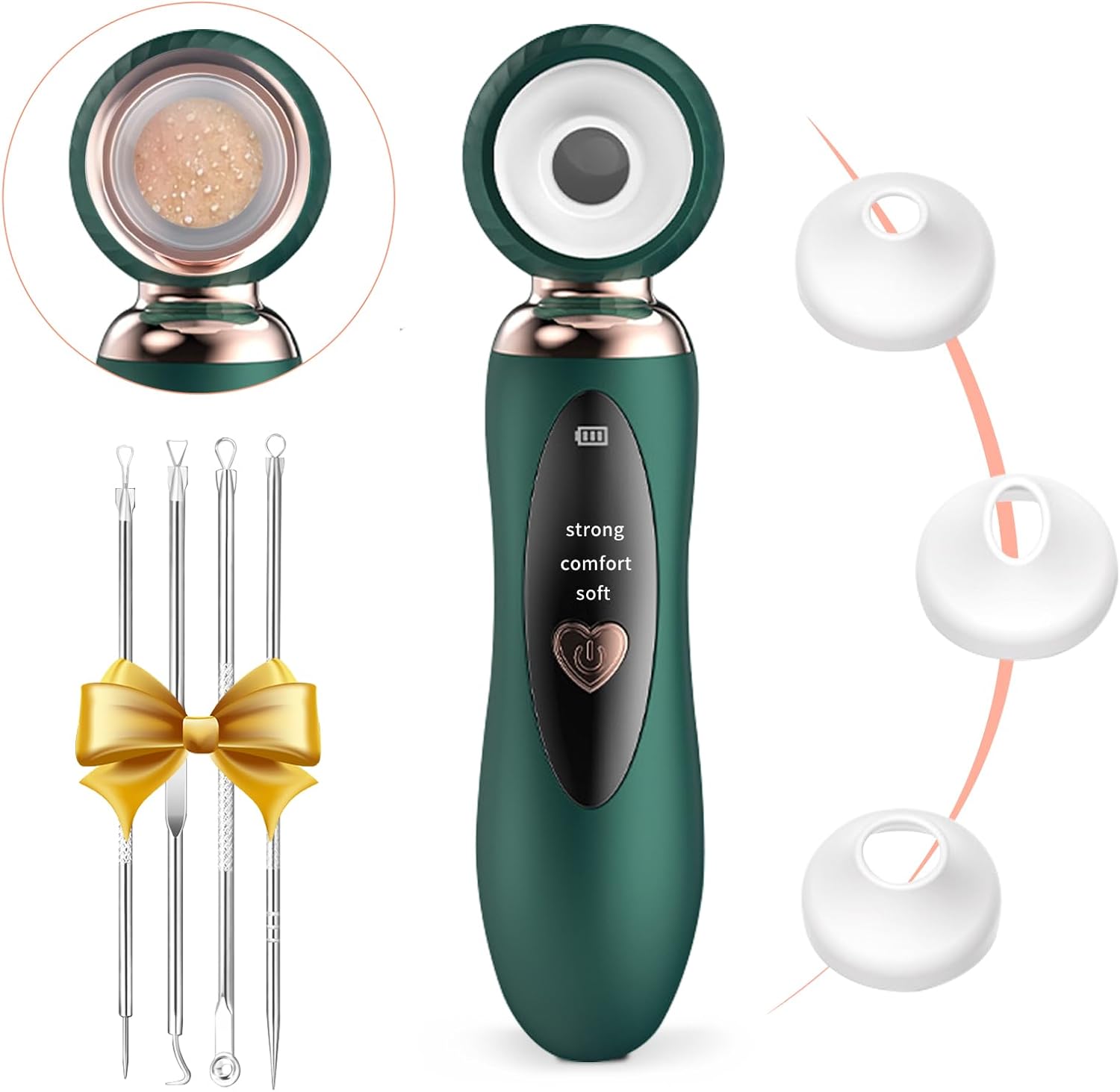
مزيل الرؤوس السوداء
وفر 25%! اشترِ مزيل الرؤوس السوداء بسعر 206.6 د.ل فقط في ليبيا. متوفر حالياً، ال
🛒 تسوق الآن Libya Press
When Selena Gomez announced her engagement to music producer Benny Blanco in December 2024, her marquise-cut diamond ring became an instant global talking point. But jewelry experts soon noticed something significant — the ring closely resembles designs from Etika Jewels, a Dubai-based brand specializing in lab-grown diamonds and sustainable luxury. The question on everyone's mind: did Gomez choose a sustainable alternative to traditionally mined diamonds?
Gomez's ring features an elongated marquise-cut diamond, a vintage silhouette that maximizes carat weight and creates an elegant finger-elongating effect. Jewelry experts estimate the center stone at 6 to 8 carats, placing its market value between $500,000 and $600,000, according to reports from InStyle and Cosmopolitan. The design bears a striking resemblance to the "Amna" ring from Etika Jewels, a brand renowned for its IGI-certified lab-grown diamonds.
If the stone is lab-grown — as the resemblance suggests — Gomez may have paid 30% to 50% less than the equivalent mined diamond, since laboratory-grown stones offer identical chemical composition and optical properties at a fraction of the cost.
The global market for lab-grown diamonds has expanded rapidly. According to industry data, they now represent approximately 8% of the global diamond market, up from just 3% in 2018, with projections reaching 10% by 2028. Lab-grown diamonds share the same physical and optical properties as mined diamonds — carbon crystallized in cubic structure — and are indistinguishable to the naked eye. They are graded using the same 4Cs: cut, color, clarity, and carat weight.
The ethical advantages are significant. Traditional diamond mining has been linked to habitat destruction, carbon emissions, and conflict financing in parts of Africa. Lab-grown alternatives eliminate these concerns, offering consumers a clear conscience alongside brilliant beauty. A 2024 survey by MVI Vac – EY found that 84% of luxury consumers in the Middle East consider sustainability an important purchasing factor.
Etika Jewels, founded by Egyptian entrepreneur Nour El-Safty, has become a leading force in ethical jewelry across the Middle East and North Africa. The brand uses laboratory-grown diamonds set in recycled 18-karat gold, with every piece carrying IGI certification guaranteeing ethical provenance. Etika's "Amna" collection — the likely inspiration for Gomez's ring — features marquise-cut center stones with minimalist bands that let the diamond take center stage.
The brand ships across MENA, making sustainable luxury accessible to Libyan consumers who seek high-quality, ethically sourced pieces without the premium of traditional mining.
Selena Gomez joins a growing list of celebrities choosing sustainable diamonds. Emma Watson, Penélope Cruz, and Meghan Markle have all opted for lab-grown or vintage stones. But Gomez's choice carries exceptional influence — with over 400 million Instagram followers, she has a proven track record of shaping consumer behavior across beauty, fashion, and lifestyle.
Celebrity engagement rings historically set trends that cascade through bridal markets worldwide. Princess Diana's sapphire defined the 1980s. Beyoncé's cushion-cut Neil Lane ring inspired a generation. Gomez's marquise-cut sustainable stone could do the same for ethical luxury in the 2020s.
For Libyan jewelry enthusiasts and engaged couples, the Gomez effect could accelerate interest in sustainable alternatives. Lab-grown diamonds offer the same brilliance as mined stones at significantly lower prices — a compelling value proposition. Libyan consumers can access these options through brands like Etika Jewels, which ships to the region, or through local jewelers increasingly stocking certified lab-grown inventory.
As the technology matures and consumer awareness grows, sustainable diamonds are transitioning from niche alternative to mainstream preference. Selena Gomez's choice may well mark the turning point.
— Libya Press / Women's Desk