
جهاز التدليك
وفر 39%! اشترِ جهاز التدليك بسعر 238.08 د.ل فقط في ليبيا. متوفر حالياً، الدفع عن
🛒 تسوق الآن Libya Press
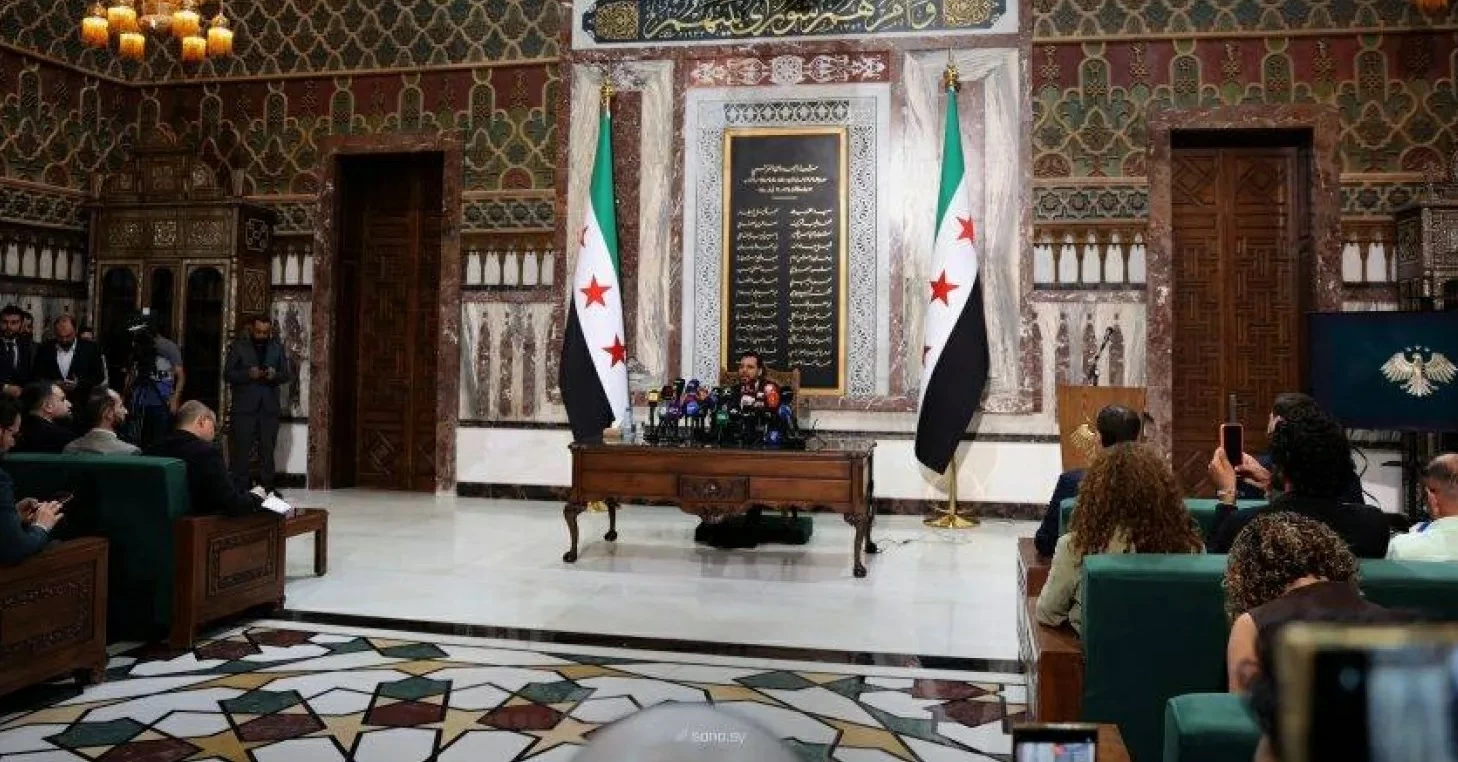
Syrian authorities have officially postponed the inaugural session of the Transitional People's Assembly, originally scheduled for Monday, to a date yet to be determined. This sudden shift in the political calendar has sent ripples through the diplomatic community and within Syria itself.
The decision, announced via official state television on Sunday, signals a pause in the legislative transition process. This process had been closely monitored by regional powers and international observers for signs of stability and a genuine shift toward representative governance.
According to a formal decree issued by the Higher Committee for the Assembly's Elections, the session was delayed without a specific new timeframe. The brevity of the announcement, disseminated via state media, has left analysts to speculate on the obstacles causing this delay.
The Transitional People's Assembly was intended to serve as a critical pillar in the country's shift toward a new governance structure. By representing various political factions, it was hoped the body would legitimize the new political order and provide a forum for peaceful negotiation.
The lack of a concrete rescheduled date suggests that this postponement may be more significant than the official wording implies, raising questions about the readiness of political factions to collaborate effectively.
The postponement of such a high-profile meeting often reflects underlying tensions or unresolved logistical disputes. In Syria's volatile political landscape, any delay in the transition of power can be interpreted as a sign of fragility or a tactical maneuver by opposing sides.
Regional analysts suggest the delay might be linked to disagreements over the assembly's final composition. There are ongoing debates regarding the balance of power between ideological blocs and whether a "transitional" body can operate without compromising established interests.
The timing of the delay—just hours before the scheduled start—points toward a failure in last-minute negotiations, suggesting that the consensus required to launch the assembly had not been reached, despite public claims.
For neighboring countries, including Libya, the political trajectory of Syria remains a point of profound interest. Both nations have navigated protracted periods of civil unrest and the arduous task of building a new political contract from the ruins of conflict.
Libya's experience with transitional bodies and legislative stalemates makes the Syrian situation a mirror image of regional struggle. In both cases, the creation of "transitional" institutions is often a tug-of-war between immediate stability and comprehensive reform.
The outcome of Syria's legislative experiments serves as a cautionary tale for the MENA region: the existence of a transitional body does not guarantee a smooth transition if underlying power dynamics remain contested.
The international community continues to watch whether the "Transitional" nature of this assembly will lead to genuine democratic reform or merely consolidate existing power structures. The fear is that such bodies can become "rubber stamps" for decisions made in private.
Diplomats have emphasized the need for an inclusive process reflecting the will of the Syrian people. This delay may be seen as a window for further international mediation or a signal that the state is opting for a more limited transition.
As of now, the Syrian government has not provided detailed reasons for the postponement. All eyes remain on the Higher Committee for Elections for any updates on the rescheduled date, though suspicions remain high.
The uncertainty may provide a necessary "cooling-off" period or further deepen distrust among opposing political blocs, potentially leading to a breakdown of the transitional agreement. Ultimately, the assembly's legitimacy will depend on its transparency and inclusivity.
— Libya Press / Politics Desk