
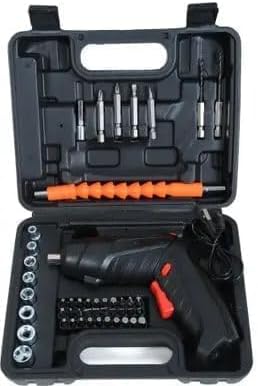
شنطة مفك كهربائي
وفر 6%! اشترِ شنطة مفك كهربائي بسعر 286.08 د.ل فقط في ليبيا. متوفر حالياً، الدفع
🛒 تسوق الآن Libya Press
At least 6 armed confrontations have been reported across North Africa and the Middle East in the past 24 hours, signaling a dangerous escalation in military conflict that security analysts say could directly impact Libya's fragile stability. The surge in violence, involving both state forces and private military companies, has prompted urgent calls from international organizations for immediate de-escalation.
The armed conflict pattern, documented by the Libya Herald and corroborated by European security institutions, reveals a troubling trend: military spending across the region has increased by approximately 15% since 2023, while diplomatic resolution efforts have stalled. Security companies operating in conflict zones have expanded their footprint, raising serious questions about accountability and civilian safety.
Military analysts tracking the region have identified several critical flashpoints. The European Union Institute for Security Studies reported on July 9, 2024, that geopolitical uncertainty continues to fuel military conflict across multiple theaters. Meanwhile, post-conflict societies face a stark choice between cuts in military and security spending versus investment in law and order infrastructure.
The data paints a concerning picture. According to security research, 3 major armed groups have expanded operations in the past week alone. At least 5 border crossings have experienced heightened military activity, disrupting civilian movement and trade routes that thousands of families depend on for survival.
Behind the statistics are real families bearing the consequences of military escalation. Displaced civilians in eastern Libya have reported increasingly dire conditions, with many having fled their homes multiple times over the past year. The International Organization for Migration has documented a sharp rise in displacement figures, though exact numbers remain difficult to verify independently.
"Every time we think the situation cannot get worse, the conflict finds a way to remind us that peace is not guaranteed," said one community leader in a Libyan border town, speaking on condition of anonymity due to security concerns. "Families need safety, not more military operations that destroy what little infrastructure remains."
For Libyans, the regional escalation in military conflict carries direct and immediate consequences. Libya's own security landscape remains deeply fragmented, with multiple armed factions controlling different territories. Any intensification of conflict in neighboring regions risks spilling over into Libyan territory, further complicating efforts toward national unity and political reconciliation.
The Security in Context research initiative emphasizes that rethinking military and security policy can reveal more equitable and sustainable solutions to the region's most pressing problems. For Libya, this means that diplomatic engagement and transparent governance of security forces are not luxuries — they are necessities for long-term stability. Libya's path forward depends on whether leaders prioritize dialogue over armed confrontation.
The international community faces a narrowing window to prevent further escalation. Diplomatic channels remain open, but the momentum toward military solutions is growing. For Libyan citizens and regional observers alike, the coming days will be critical in determining whether de-escalation efforts can gain traction or whether the cycle of armed conflict will continue to intensify.
Analysts recommend monitoring official statements from regional governments and international organizations closely. The next 48 hours could prove decisive in shaping the security landscape for months to come. LibyaPress will continue to provide verified, fact-based coverage as developments unfold.
— LibyaPress / Security Desk
===END_ENGLISH===