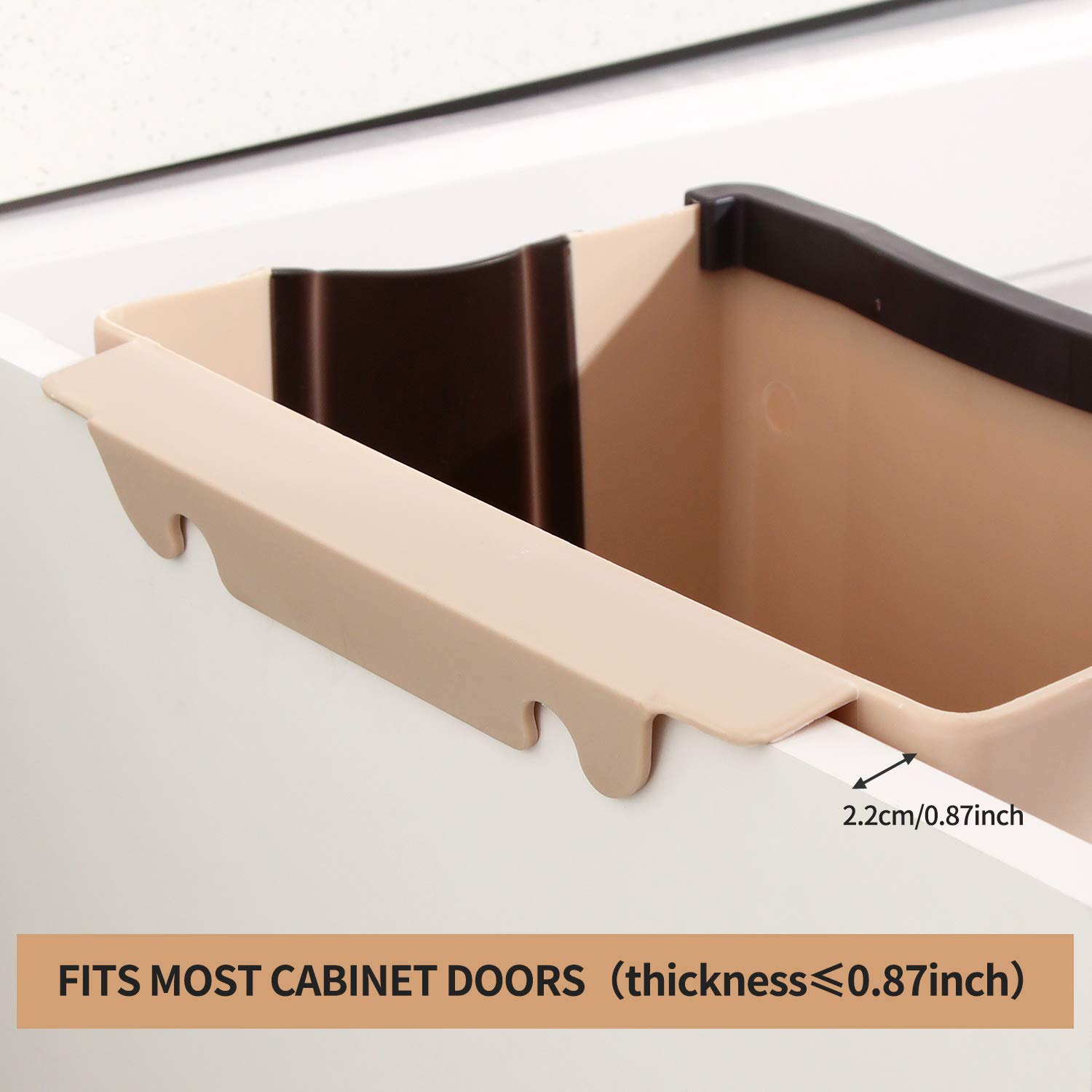
سلة مهملات تُعلق على باب خزانة المطبخ
وفر 7%! اشترِ سلة مهملات تُعلق على باب خزانة المطبخ بسعر 187.2 د.ل فقط في ليبيا.
🛒 تسوق الآن Libya Press
Perfecting the bakery-style chocolate chip cookie is an art form that balances texture, sweetness, and richness. According to professional baking experts at Scientifically Sweet and Sally's Baking Addiction, the secret to that coveted "bakery" feel lies in the specific chemical interaction between fats and sugars during the baking process, which dictates how the cookie spreads and sets.
Whether you are looking for caramelized crisp edges or a soft, gooey center, understanding the chemistry of your ingredients is the first step to success. Most professional recipes prioritize high-quality butter and a strategic chilling period to ensure the cookies don't spread too thin, maintaining a substantial, chewy bite that mimics high-end pastry shops.
The most successful cookies often utilize browned butter, a process known as "beurre noisette." By heating butter until the milk solids toast, you add a nutty depth of flavor that standard softened butter simply cannot provide. This technique, frequently cited by Broma Bakery, creates a more complex flavor profile and a significantly chewier consistency.
Furthermore, the ratio of brown sugar to granulated white sugar is critical. Brown sugar, which contains molasses, provides necessary moisture and a hint of caramelization. This contributes to the chewy, dense texture and the characteristic deep golden-brown color that defines a professional-grade cookie, whereas too much white sugar would result in a crisper, flatter disc.
One of the most overlooked steps in home baking is the chilling process. Professional bakers recommend resting the dough in the refrigerator for at least 24 to 72 hours. This is not merely for convenience; it allows the flour to fully hydrate and the enzymes to break down starches into simple sugars, which intensifies the final flavor.
Chilled dough also prevents the butter from melting too quickly upon hitting the oven heat. This ensures the cookies maintain their thickness and develop those perfectly crisp, caramelized edges while keeping the center soft and underbaked—the hallmark of a true bakery-style treat.
In Libya, where the availability of specific international baking brands can vary by region, the key is to focus on the quality of the base ingredients. Substituting a local high-fat premium butter or slightly adjusting the oven temperature to account for local oven variations can help achieve these world-class results.
Ensuring your oven is fully preheated with a calibrated thermometer is essential for that immediate "set" of the cookie edges. When serving, pairing these rich cookies with a traditional Libyan mint tea or a strong, dark coffee provides a sophisticated contrast to the intense chocolate sweetness.
By following these structural and chemical guidelines, any home baker in Libya can transform a simple treat into a professional masterpiece that rivals the best bakeries in the world.
— Libya Press / Women's Desk