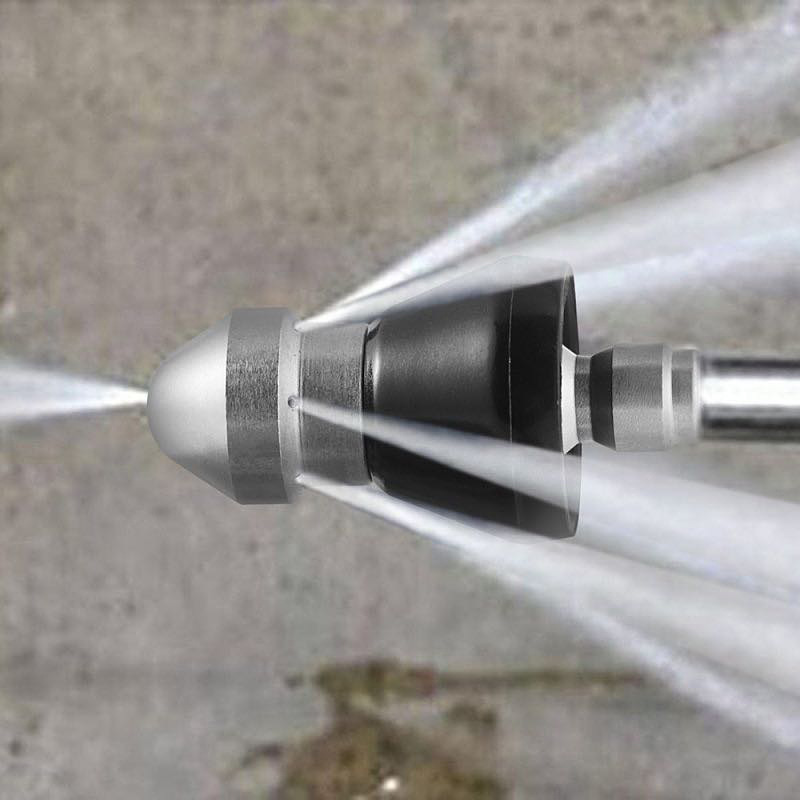
أداة تنظيف الصرف
وفر 44%! اشترِ أداة تنظيف الصرف بسعر 156.29 د.ل فقط في ليبيا. متوفر حالياً، الدف
🛒 تسوق الآن Libya Press
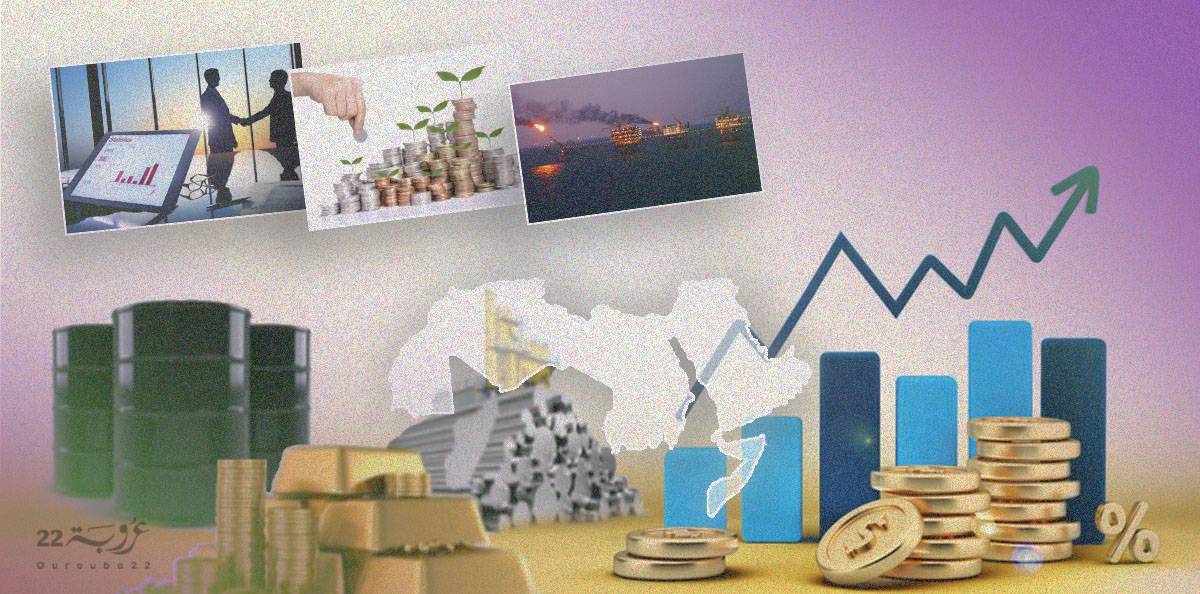
Libya's economy remains one of the world's most oil-dependent, with crude petroleum accounting for more than 95% of state revenues and approximately 97% of total export value. This extreme reliance on a single commodity has rendered the economy highly volatile and susceptible to global price shocks. According to the World Bank, Libya's real GDP grew by 12.3% in 2023 but contracted by 0.4% in 2024 due to oil disruptions, before recovering to 12.4% in 2025 and 4.0% in 2026.
A comprehensive study by the Libyan Center for Strategic Studies (LCSS) argues that transitioning toward a knowledge-based economy represents the most viable long-term strategy for diversifying Libya's GDP and achieving sustainable economic growth.
The knowledge economy is an economic system where the production and utilization of knowledge serve as the primary drivers of growth and employment. Unlike traditional economies reliant on natural resources, it derives competitive advantage from human capital, innovation, and technology. The World Bank's Knowledge Economy Index (KEI) identifies four pillars: an educated workforce, robust ICT infrastructure, an effective innovation system, and a conducive business environment.
The Global Competitiveness Report classified Libya among countries dependent on traditional production factors — natural resources and unskilled labor — rather than innovation. Studies confirm Libya remains caught between the factor-driven and efficiency-driven stages of development, far from the innovation-driven stage of advanced economies.
Libya's education system relies heavily on rote memorization rather than critical thinking and problem-solving. Investment in scientific research remains inadequate, with minimal university-industry collaboration. Digital infrastructure lags significantly, with slow internet and limited coverage in interior regions. Meanwhile, brain drain continues as skilled professionals emigrate for better opportunities abroad.
Economic diversification is a strategic imperative for Libya. The knowledge economy contributes through several mechanisms. It creates entirely new sectors such as software development, digital services, fintech, and renewable energy — high-value industries that can replace oil revenues. It modernizes traditional sectors through smart agriculture, digital manufacturing, and e-tourism, boosting productivity and competitiveness. It stimulates entrepreneurship by lowering barriers to market entry for startups and SMEs, which form the backbone of diversified economies worldwide. Finally, it attracts foreign direct investment, as international capital flows increasingly target countries with strong knowledge infrastructure and skilled talent.
Countries like South Korea, Singapore, and Malaysia have successfully leveraged knowledge economy strategies to transform their economic structures. In the Arab world, the UAE and Saudi Arabia — through Vision 2030 and national innovation strategies — have made significant progress in digital infrastructure, education reform, and entrepreneurship ecosystems.
Transitioning to a knowledge economy requires Libya to confront significant structural challenges. Education reform is foundational: curricula must emphasize critical thinking, digital literacy, and technical skills, while universities must forge stronger links with the private sector. Digital infrastructure investment is equally urgent — expanding high-speed internet, building data centers, and implementing e-government services are prerequisites for meaningful progress.
Research and development funding must increase substantially, with specialized centers in renewable energy, artificial intelligence, and biotechnology. A supportive legal and regulatory framework — protecting intellectual property and incentivizing innovation — is essential for attracting investment and nurturing startups.
Underpinning all of these efforts is the need for political stability and institutional unity. Without a stable environment and cohesive institutions, long-term strategic planning and investment attraction will remain severely constrained. The journey is neither quick nor easy, but for Libya, the knowledge economy represents the most credible path to breaking free from oil dependency and building a prosperous, resilient future.
— Libya Press / Economy Desk