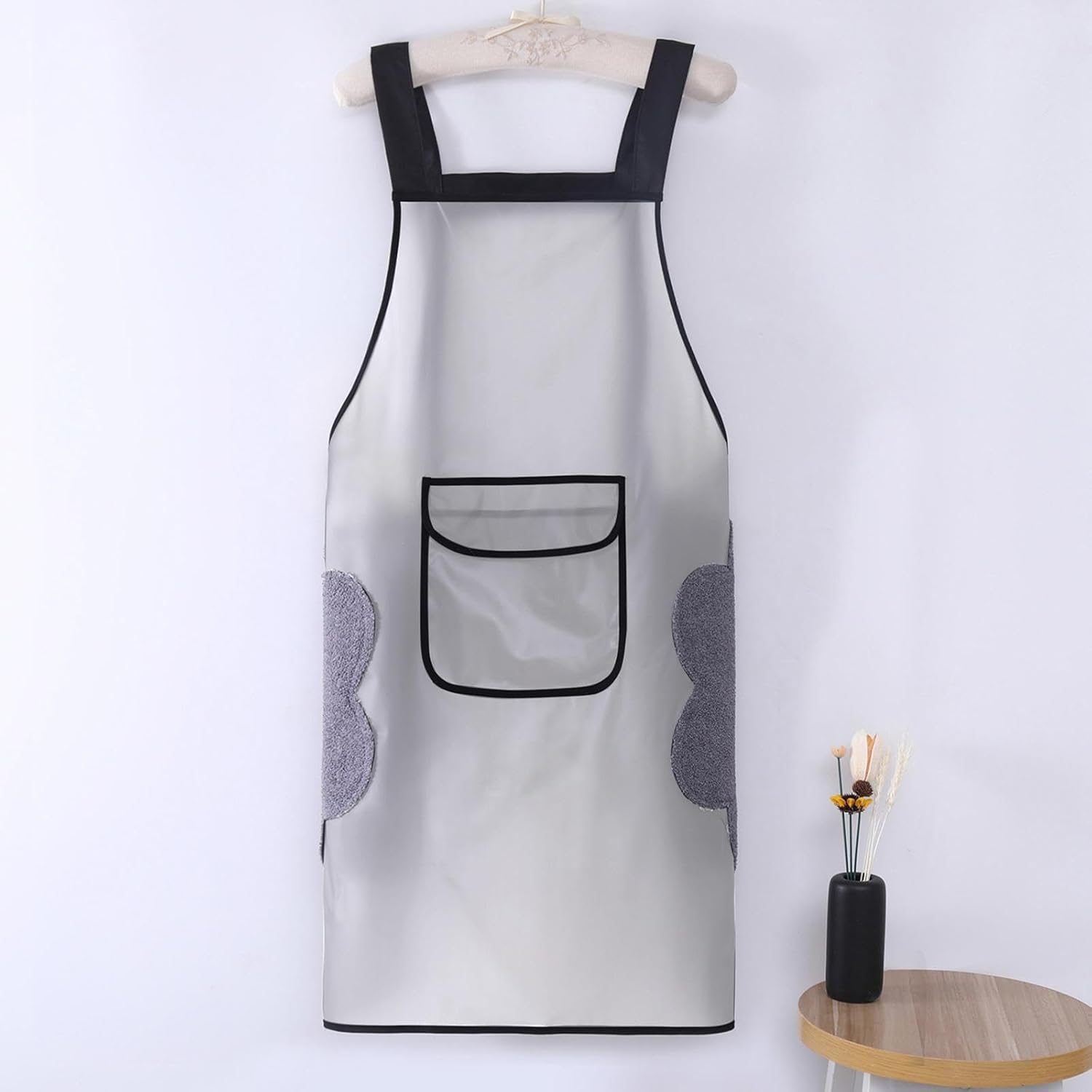
مريلة المطبخ الشفافة
وفر 23%! اشترِ مريلة المطبخ الشفافة بسعر 190.28 د.ل فقط في ليبيا. متوفر حالياً،
🛒 تسوق الآن Libya Press
The United Nations continues its intensive diplomatic efforts in Libya, focusing on a strategic "mini-dialogue" designed to bridge the gap between the country's key political actors. Recent reports from the African Press Agency indicate that these high-level meetings are central to the UN's current roadmap for stability, aiming to move past the systemic dysfunction that has characterized the Libyan state for over a decade.
The primary objective of these sessions is to resolve the prolonged political dysfunction that has persisted since 2011. By facilitating direct, targeted communication between rival authorities, the UN aims to establish a sustainable framework for legitimacy and governance that can be accepted by all Libyan factions.
This diplomatic push comes at a critical juncture, as the international community recognizes that without a unified government, Libya remains vulnerable to external interference. The focus is on a structural realignment of power to ensure lasting peace.
According to official UN statements, the engagement focuses heavily on the intersection of security and political developments. The mission is working to ensure that political agreements are mirrored by security stability on the ground, preventing further escalation between competing military and paramilitary factions.
The "mini-dialogue" approach allows for more agile and targeted negotiations, focusing on specific, granular points of contention that have previously stalled larger, more cumbersome summits. This method is seen as a pragmatic step toward a more comprehensive national agreement by solving smaller disputes first.
Moreover, the UN is emphasizing the need for a unified military command. Without a single authority overseeing the security apparatus, any political agreement remains fragile. The current talks are exploring mechanisms to integrate various security forces into a national framework.
Despite these diplomatic efforts, the UN's top envoy for Libya, Hanna Serwaa Tetteh, has issued stark warnings to the Security Council. Tetteh highlighted that the political deadlock is not occurring in a vacuum; rather, it is being exacerbated by worsening economic conditions and a dangerous emerging split within the judiciary.
These factors pose mounting risks to the unity of the Libyan state. When the judicial system fractures, the very definition of legality becomes contested, making it nearly impossible to conduct fair elections. The envoy emphasized that the window for effective action is rapidly narrowing.
Furthermore, the economic distress felt by the Libyan population—ranging from liquidity crises to crumbling infrastructure—is creating fertile ground for social unrest. The UN argues that political stability is the only viable path toward economic recovery, as foreign investment remains stalled.
The current UN strategy involves several critical pillars designed to move the country forward toward a sovereign and stable future:
For the people of Libya, these diplomatic maneuvers represent the difference between continued fragility and a genuine path toward a unified state. The international community remains hopeful that these targeted talks will finally break the cycle of legitimacy struggles.
The success of this roadmap depends on the willingness of local actors to prioritize national unity over individual power gains. As the UN continues to facilitate these talks, the focus remains on creating a sustainable peace that can withstand the complexities of Libya's social landscape.
— Libya Press / Politics Desk