
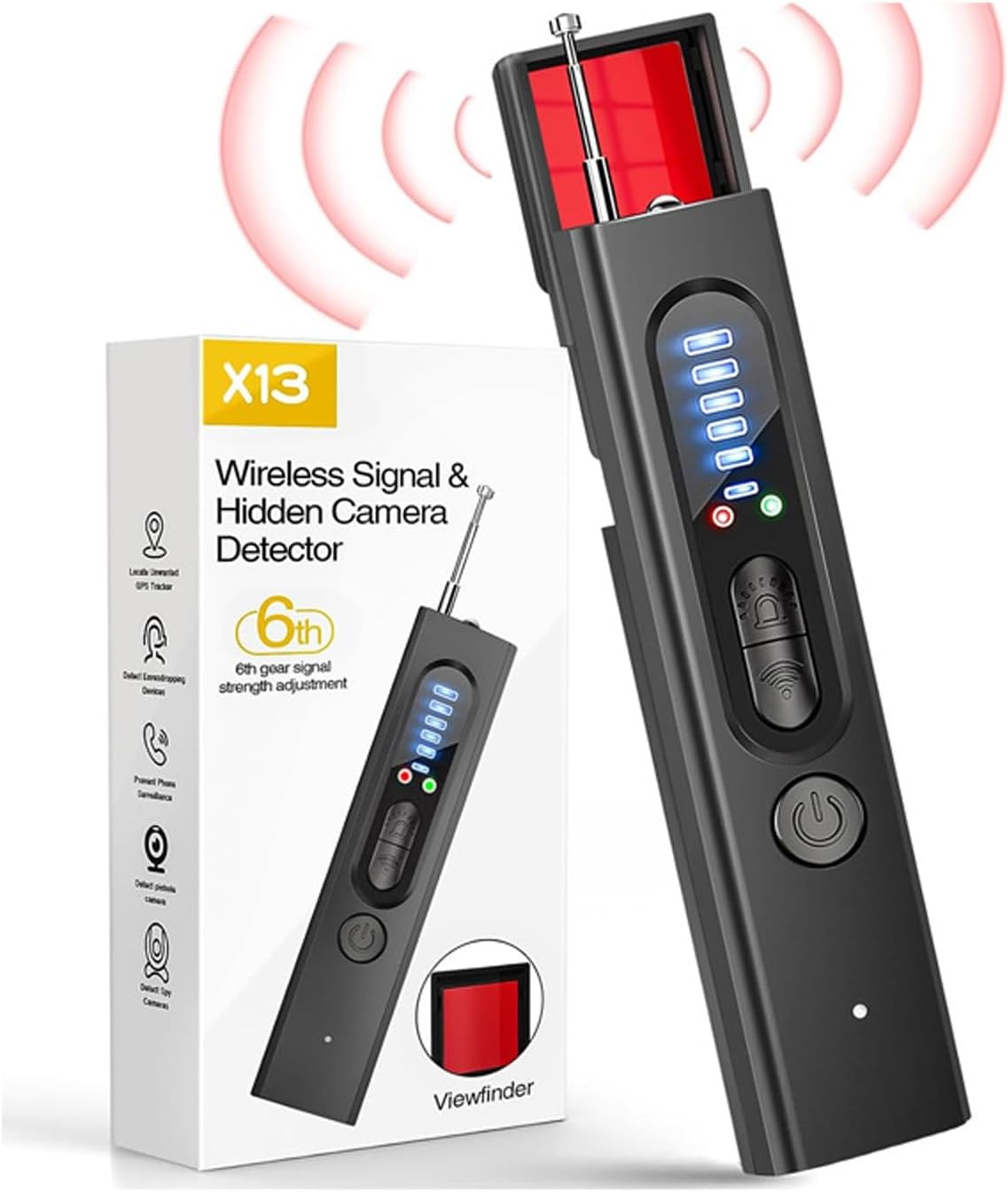
كاشف الكاميرات الخفية
وفر 45%! اشترِ كاشف الكاميرات الخفية بسعر 259.2 د.ل فقط في ليبيا. متوفر حالياً،
🛒 تسوق الآن Libya Press
New United Nations data reveals an overwhelming public mandate from Libyans for credible national elections, enhanced accountability, and unified state institutions. The findings from UNSMIL's "Give Your Opinion" public survey show that 90% of respondents consider holding national elections a top priority for Libya's future.
Conducted between December 2025 and April 2026 through online platforms and telephone interviews, the survey also engaged youth-led discussions via UNSMIL's digital dialogue mechanism. The results illuminate a population ready to move beyond years of political deadlock toward democratic governance.
The data shows 86% of Libyans are prepared to vote immediately if elections are held, with 70% believing their political participation can directly influence decision-making. This represents broad public confidence in the electoral process as a mechanism for change and institutional legitimacy.
Royal Prime Minister Abdulhamid Dbeibeh and the High National Elections Commission (HNEC) have both signaled readiness to begin preparations for presidential and legislative elections starting April, following simultaneous demonstrations in Tripoli, Benghazi, and other cities.
Clean governance emerges as a central public demand. The survey found 82% of participants support barring individuals accused of corruption or human rights violations from holding public office, while 74% insist that those responsible for crimes should face prosecution through judicial processes as part of any national reconciliation framework.
This accountability mandate reflects public frustration with a fragmented system that has struggled to deliver justice or effective governance since the 2011 overthrow of Muammar Gaddafi.
Nearly 89% of surveyed Libyans report that the ongoing political division between the internationally recognized Government of National Accord (GNA) in Tripoli and the rival House of Representatives in Benghazi negatively affects their daily lives. The figure rises to 91% in southern Libya, highlighting regional concerns over prolonged instability.
The main obstacle identified by 80% of respondents is the political deadlock and the reluctance of current power holders to advance the electoral process forward.
When asked about the priorities of a future government, 60% of respondents said its primary mission should be preparing and financing national elections. A unified national budget was cited by 52%, while 41% emphasized fighting corruption and ensuring transparent distribution of national wealth.
On security, 55% of participants support unifying Libya's military and security institutions through a comprehensive political agreement. Another 38% favor renewing sovereignty through elections, while 34% called for strengthening the Joint Military Commission (5+5) with greater southern representation.
UN Special Representative Hanna Serwaa Tetteh briefed the Security Council that while the path to elections is "paved with complications," they can be overcome. She emphasized that delays in forming the High National Elections Commission board and adopting constitutional amendments reflect a "lack of trust between institutions" and their internal divisions.
Despite the east not being represented on the HNEC board, municipal elections were successfully held in October. Tetteh called on all Libyan leaders to respond to public demands and "rise above their differences in the interests of unity and integrity of the Libyan state."
The UN Secretary-General's Special Representative noted that Libyans will celebrate Independence Day on December 24—the same date national elections were originally scheduled for in 2021. "Four years later, the country's path to elections remains fraught with complications that are challenging but can be overcome," she stated.
Source: UN Support Mission in Libya (UNSMIL) "Give Your Opinion" Survey, UN Security Council Briefing, LibyaReview
— Libya Press / Politics Desk
